

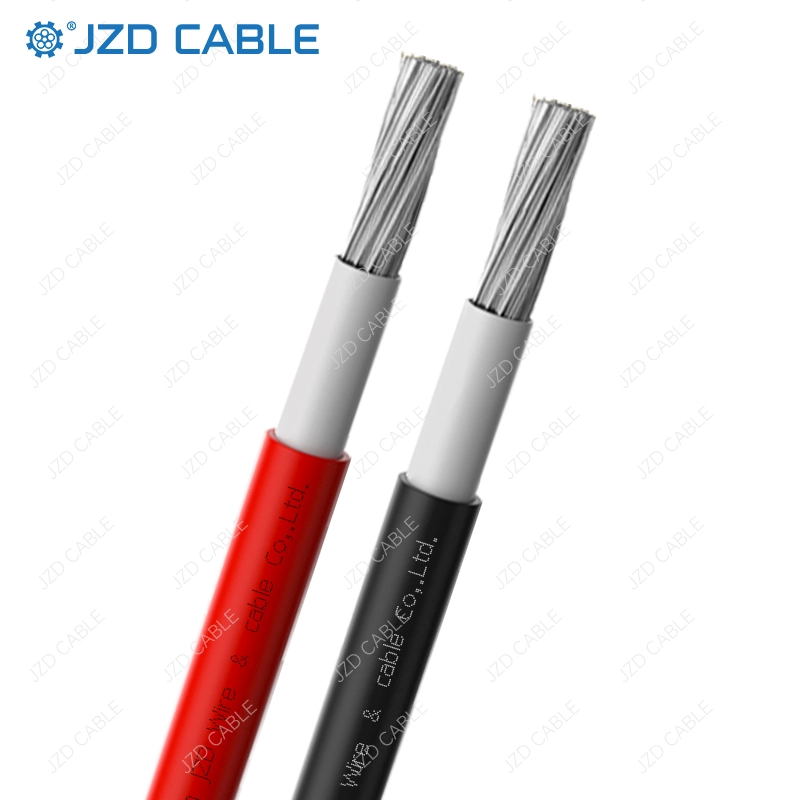
Choosing the right photovoltaic (PV) cable is critical for the long-term safety, efficiency, and reliability of any solar installation. Two popular alternatives to pure copper cables are aluminum alloy (PV-AL) and tinned copper clad aluminum (TCCA) cables. While both offer cost savings over solid copper, they differ significantly in material composition, electrical performance, corrosion resistance, and connector compatibility.
In this article, we break down the key differences to help you make an informed decision for your next solar project.
Conductor Structure & Material
1.Aluminum Alloy PV Cable (PV-AL)
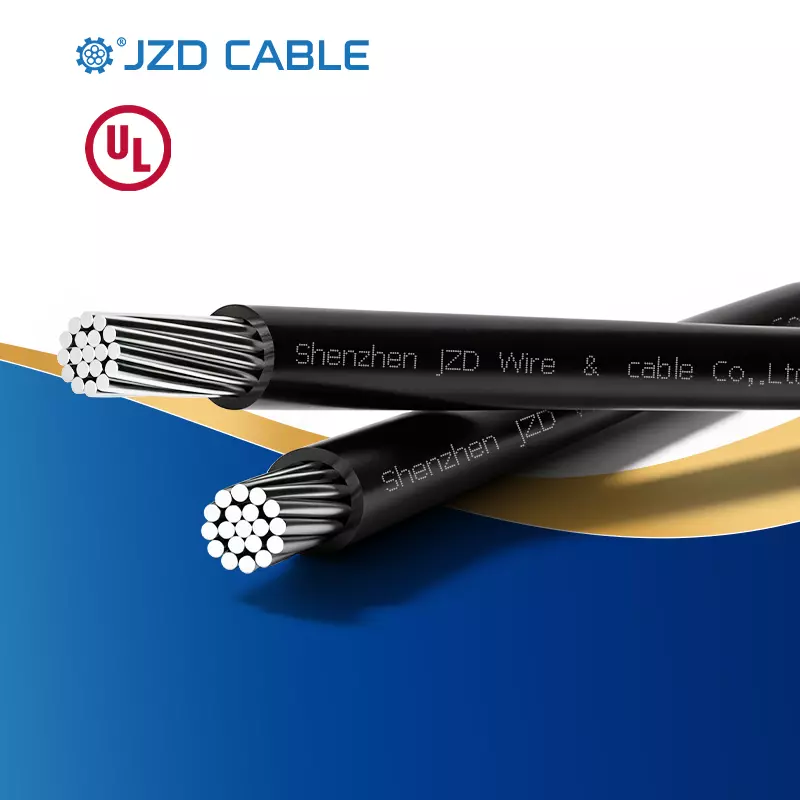
- Homogeneous single material: The entire conductor is made of an aluminum-magnesium-iron-silicon alloy.
- No copper layer or tin coating — it is a uniform, drawn and stranded aluminum alloy wire.
2.Tinned Copper Clad Aluminum PV Cable (TCCA)
- Three-layer composite structure:
- Core: Pure aluminum or aluminum alloy inner core.
- Middle: Metallurgically bonded copper cladding (typically 10% or 15% copper by volume).
- Outer surface: Hot-dip tin plating over the entire copper surface.
- The copper-aluminum bond is metallurgical, not electroplated, ensuring durability.
Electrical Performance (Resistivity & Conductivity at 20°C)
|
Parameter
|
Aluminum Alloy (PV-AL)
|
TCCA (10% Cu Volume)
|
|---|---|---|
|
Resistivity (Ω·mm²/m)
|
≈ 0.0283
|
≈ 0.0274
|
|
Conductivity (% IACS)
|
≈ 61%
|
≈ 63%
|
TCCA offers slightly better conductivity than standard aluminum alloy, making it closer to pure copper in electrical performance.
Connector & Soldering Compatibility — A Critical Factor for PV Systems
1.Aluminum Alloy (PV-AL)
- Cannot be directly connected to copper terminals or tinned copper cables: The galvanic potential difference between aluminum and copper causes electrochemical corrosion in humid environments, leading to overheating, increased contact resistance, and fire risk.
- Requires bimetallic (copper-aluminum) transition terminals for safe connections.
- Not solderable: Aluminum forms a tough oxide layer that prevents ordinary solder from bonding. This makes soldering in junction boxes or MC4 connectors difficult. Only crimping is feasible.
2.TCCA
- Fully compatible with standard tinned copper connectors: The outer tin layer allows direct MC4 crimping and soldering without special transition terminals.
- No galvanic corrosion risk: The copper and tin layers completely seal the aluminum core, preventing exposure to moisture and eliminating the aluminum-copper electrochemical reaction.
Corrosion Resistance & Outdoor Weathering (25-Year Solar Lifespan)
1.Aluminum Alloy
- Forms a natural aluminum oxide passivation layer, which provides some protection.
- However, when in contact with copper components, galvanic corrosion is inevitable.
- In high-humidity, salt-spray, or fishery-PV hybrid environments, connector oxidation accelerates.
- Bare stranded aluminum surfaces can suffer pitting corrosion from water ingress.
2.TCCA
- Double protection: Outer tin + copper layers fully encapsulate the aluminum core, isolating it from air and moisture.
- Excellent resistance to salt spray, coastal environments, acid rain, and high humidity.
- Long-term stable contact resistance, even under harsh outdoor conditions.
Mechanical Properties, Weight & Flexibility
|
Property
|
Aluminum Alloy (AA8030)
|
TCCA
|
|---|---|---|
|
Elongation
|
≈ 30% (good flexibility)
|
High tensile strength
|
|
Density
|
≈ 2.7 g/cm³ (lightweight)
|
≈ 3.3–3.6 g/cm³ (~25% heavier than Al, ~40% of Cu)
|
|
Bending Fatigue
|
Good — resists breakage under repeated bending
|
Stronger composite structure
|
|
Abrasion Resistance
|
Moderate
|
Better — tin coating resists wear during pulling
|
TCCA offers superior mechanical strength and abrasion resistance, reducing the risk of water ingress if the jacket is damaged during installation.
Cost Comparison (Same Cross-Section)
|
Cable Type
|
Relative Cost
|
|---|---|
|
Aluminum Alloy (PV-AL)
|
Cheapest — about 80–85% of TCCA cost
|
|
TCCA
|
15–25% more expensive than aluminum alloy, but ~40% cheaper than pure tinned copper
|
For budget-conscious projects, aluminum alloy is the lowest-cost option. For projects requiring better performance and compatibility, TCCA offers excellent value.
Conclusion: Which Should You Choose?
|
Application Scenario
|
Recommended Cable
|
|---|---|
|
Large-scale ground-mounted farms with dedicated bimetallic connectors
|
Aluminum Alloy (PV-AL)
|
|
Rooftop or small residential systems needing simple installation
|
TCCA
|
|
Coastal, fishery-PV, or high-humidity environments
|
TCCA (superior corrosion resistance)
|
|
Projects requiring soldered connections or standard MC4 plugs
|
TCCA
|
|
Strictest budget constraints
|
Aluminum Alloy
|
Both cables have their place in modern solar installations. While aluminum alloy remains the most economical choice, tinned copper clad aluminum offers a compelling balance of performance, compatibility, and durability — especially where long-term reliability and ease of installation matter most.
At JZD Cable, we supply both PV-AL and TCCA cables to meet diverse project needs. Contact us today for expert guidance and competitive pricing on your next solar cable order.