

Exporting to Europe requires CE. Australia demands RCM. Saudi Arabia needs SASO. Brazil requires INMETRO. The same H07RN-F cable is retested, recertified, and requeued for every new market. Project deliveries slip, and costs pile up.
CB certification solves this. One CB test certificate covers 54 member countries and provides a unified technical testing foundation for H07RN-F cables entering major global markets. It eliminates redundant testing, shortens conversion timelines, and accelerates supplier approvals.
Choosing a CB-certified supplier can cut your market access lead time by 40% to 70%.
Why H07RN-F Cables Need CB Certification
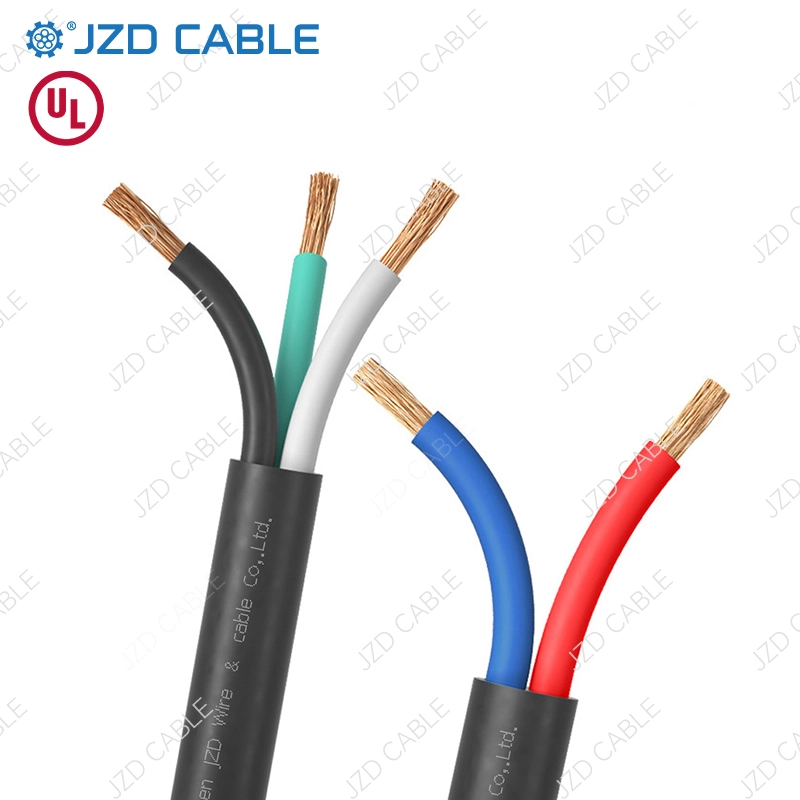
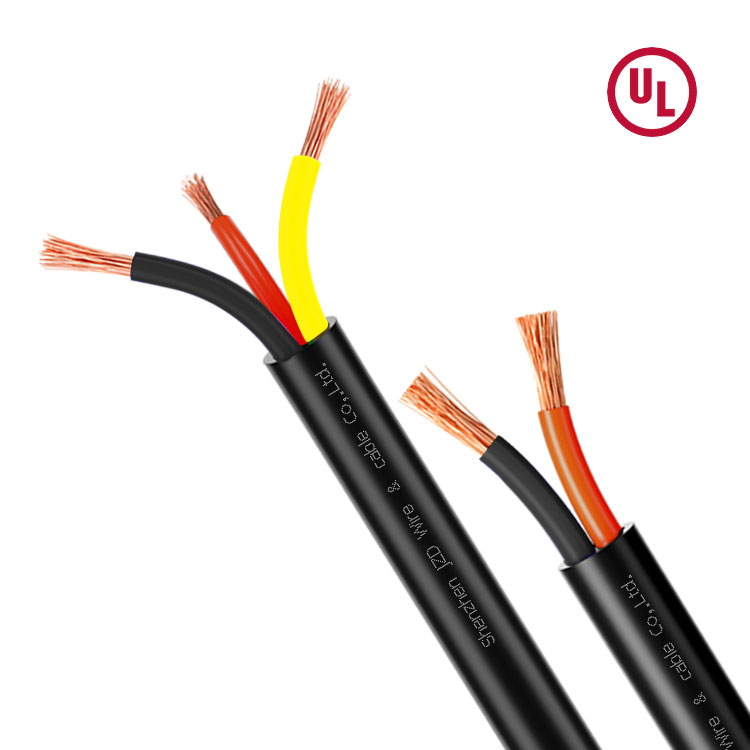
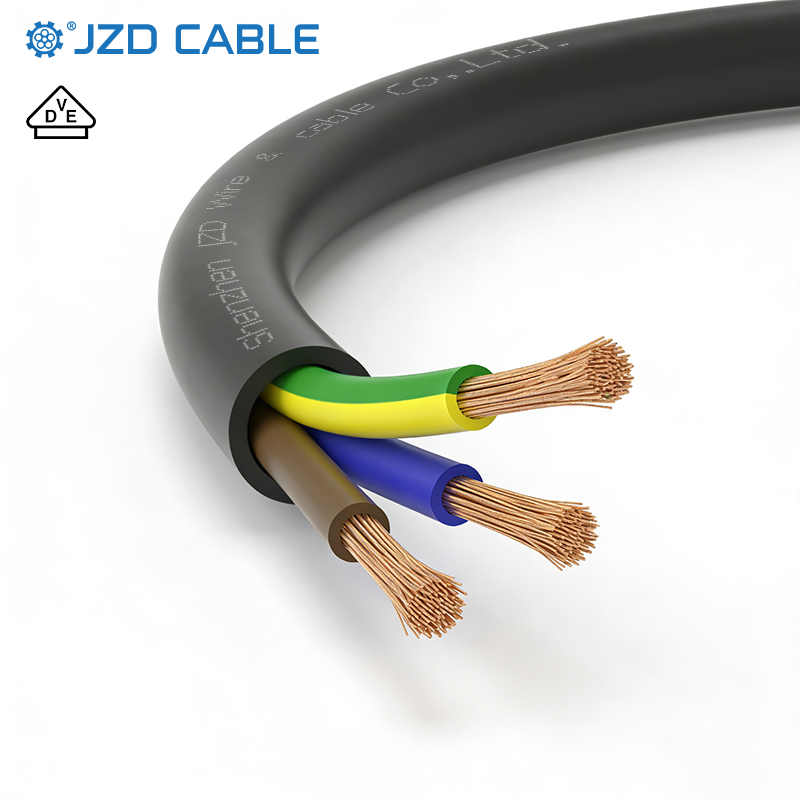
H07RN-F is a high‑flexibility, heavy‑duty portable power cable widely used in construction site temporary power, industrial machinery, generator sets, port shore power systems, and mining equipment. In all these applications, the cable is frequently moved, bent repeatedly, and exposed to outdoor conditions, oil, moisture, and UV radiation.
Because of these demanding environments, H07RN-F is subject to multiple standard systems worldwide:
- Europe: EN 50525-2-21 (CE marking)
- Australia: AS/NZS 5000.1 (RCM)
- Saudi Arabia: SASO IECEE recognition
- Brazil: INMETRO certification
- China: CCC (depending on application)
Each of these certifications has its own technical requirements and testing procedures. Retesting from scratch for every destination drains time and budget. The IECEE CB Scheme provides a unified international testing platform. H07RN-F CB certification is based on IEC 60245-4—the technical source standard for most of these local requirements. One test, multiple uses.
CB certification turns compliance costs from multiplication into addition.
Key Technical Parameters of H07RN-F
| Parameter | Value / Requirement |
| Rated voltage | 450/750 V (mobile); 0.6/1 kV (fixed) |
| Temperature range (flexing) | –25°C to +60°C |
| Temperature range (fixed) | –40°C to +60°C |
| Minimum bending radius (dynamic) | 6 × cable OD |
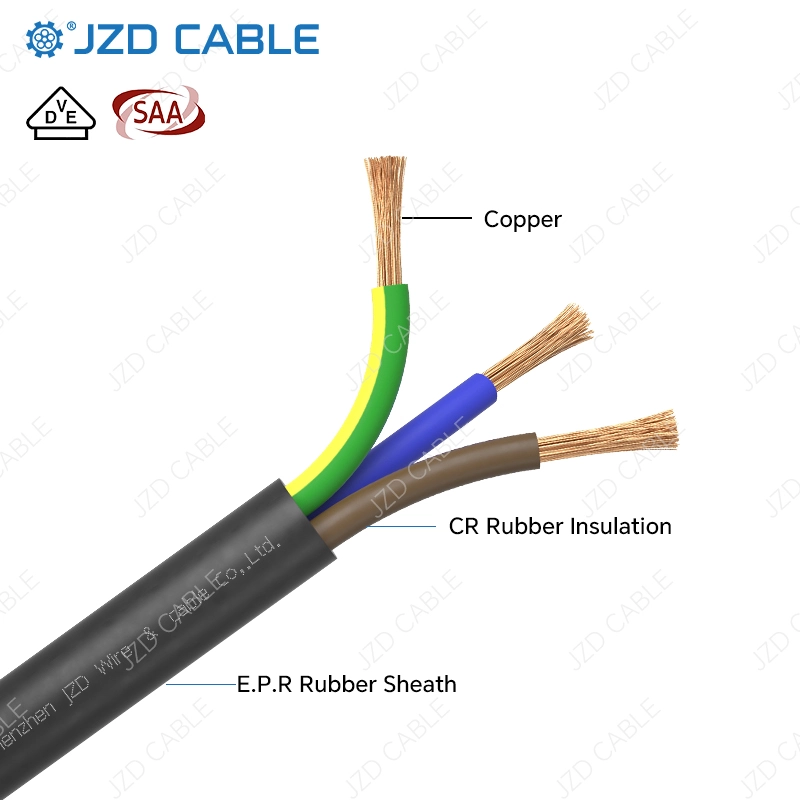
| Conductor | Class 5 (stranded annealed copper) |
| Insulation | EPR (ethylene‑propylene rubber) |
| Sheath | Chloroprene rubber (CR) |
| Flame retardancy | IEC 60332-1-2 (single vertical burn) |
| Oil resistance | EN 60811-404 (volume change ≤20%) |
CB vs. CE and Other Major Market Certifications
Many buyers confuse CB with CE. Here’s how CB relates to CE, RCM, SASO, INMETRO, and CCC.
1. CB and CE: Same Standard Origin, Different Roles
| Aspect | CB Certification | CE Marking |
| Nature | Voluntary test‑mutual‑recognition credential | Mandatory market-access mark |
| Basis standard | IEC 60245-4 | EN 50525-2-21 (adopts IEC 60245-4 with European additions) |
| Legal effect | No direct sales permission | Legally required for customs clearance and sale in the EU |
| Additional requirements | Safety testing only | LVD + EMC + RoHS + REACH (as applicable) |
How they work together: Safety test data from a CB report can be accepted directly by EU Notified Bodies to support the LVD portion of CE compliance. This cuts about 70% of testing costs and shortens the certification timeline by 1–2 weeks.
2. CB to Local Certifications: One Certificate, Multiple Paths
| Target Market | Local Certification | Role of CB Report | Conversion Time | Cost Savings |
| EU | CE (LVD) | Safety data directly accepted | 1–2 weeks | ~70% |
| Australia/NZ | RCM | Waives IEC-equivalent tests; add Australian differences | 2–4 weeks | ~50% |
| Saudi Arabia | SASO IECEE | Waives core safety tests; add Saudi fire‑resistance difference | 4–6 weeks | ~40% |
| Brazil | INMETRO | Serves as technical reference; still requires Brazilian national differences | 8–12 weeks | ~30% |
| China | CCC | May reduce some tests; requires Chinese differences + factory inspection | Case‑by‑case | Partial |
Key takeaway: CB alone does not replace any local mark. But it is the shortest path to all of them. Without CB, each market demands a full retest. With CB, each market only requires a “gap‑fill.”
Practical Conversion Paths for Five Major Markets
1. EU (CE Marking)
Path: CB report → Notified Body review → add EMC/RoHS/REACH → sign DoC → affix CE mark
2. Australia / New Zealand (RCM)
Path: CB report (including AU differences) → accredited body review → add EMC → local responsible party applies → obtain RCM
3. Saudi Arabia (SASO IECEE)
Path: CB report → Saudi authorized body review → add Saudi fire test (SASO 1069) → certificate issued
Note: Saudi Arabia uses a dual PCoC + SC system; SC clearance is required before shipment.
4. Brazil (INMETRO)
Path: CB report → local holder applies → add Brazilian differences → INMETRO review → certificate issued
Key takeaway: CB alone does not replace any local mark. But it is the shortest path to all of them. Without CB, each market demands a full retest. With CB, each market only requires a “gap‑fill.”
5. China (CCC)
Path: CB report → CQC review → add Chinese differences → factory inspection → certificate issued
How a CB‑Certified Supplier Shortens Your Procurement Cycle
1. Shorter market‑access lead times
Example: Exporting to Australia. Starting from zero, RCM takes 4–8 weeks. With CB conversion, it takes only 2–4 weeks—a, a 50% reduction. For multiple countries, the cumulative savings are even greater.
2. Faster supplier technical evaluation
The CB report consolidates all electrical, mechanical, flame, and oil‑resistance tests into one IEC‑based document. Your technical team can verify compliance by simply cross‑checking the report against the relevant IEC standards. Evaluation time drops from weeks to days.
3. Quicker response to regulatory changes
If a target market suddenly tightens its requirements (e.g., Saudi’s PCoC+SC enforcement), a CB-certified cable can quickly undergo gap testing and conversion—without starting from scratch.
JZD: CB‑Certified to Shorten Your Market Access
JZD’s H07RN‑F cables are CB test certified against:
- IEC 60245-4 (electrical safety and construction)
- IEC 60332-1-2 (single vertical flame)
- EN 60811-404 (mineral oil resistance)
This means JZD’s cables have passed the unified technical benchmark recognized by all 54 CB member countries. You no longer have to worry about whether test data will be accepted.
What JZD delivers to buyers:
- Faster conversions: Using our CB report, we assist with gap testing and applications for CE, RCM, SASO, INMETRO, and more.
- Streamlined supplier approval: Complete CB certificate + test report lets your technical evaluation move straight to the decision phase.
- Flexible product range: 0.5 mm² to 240 mm², Class 5/6 conductors, standard and special compounds for low‑temperature, high‑temperature, and chemical‑resistant applications.
- Custom engineering: For mining drag cables, port reel cables, and other special scenarios, we co‑design conductor lay, sheath thickness, and filling to match your exact bending radius and tensile requirements.
In today’s global supply chain, where certainty and speed matter most, JZD’s CB‑certified H07RN‑F series helps you complete cable procurement with shorter lead times and lower compliance costs—no matter where your projects are.
Conclusion: CB Certification – The Common Language of Global Cable Procurement
The real value of CB certification is not the certificate itself. It’s the unified technical framework it provides:
- One test serves 54 markets.
- Local certifications become “gap‑fills” instead of “full retests.”
- Supplier evaluation becomes “report mapping” instead of “piecemeal verification.”
Contact JZD today for CB-certified H07RN-F cable solutions that help simplify global compliance and accelerate your project delivery.
FAQ: Frequently Asked Questions About CB Certification
1. Is CB certification mandatory for H07RN-F cables?
No. CB is a voluntary mutual recognition scheme. Not legally required for any market—but it is the fastest path to mandatory local certifications. Without CB, full retests for each target. With CB, only national differences to fill.
2. What’s the difference between CB and CE?
CB is a test‑mutual‑recognition system (54 countries), not a market‑access mark. CE is a mandatory EU legal mark for sales. They are complementary—CB safety data supports CE’s LVD portion, cutting testing costs by ~70% and timelines by 1–2 weeks.
3. How long is a CB certificate valid?
No fixed expiry. Validity depends on:
- Standard version – if the underlying IEC standard updates, the certificate may become outdated.
- Product consistency – design, materials, and manufacturing must remain unchanged from tested samples.
In practice: 3–5 years before updates or changes require re‑testing.
4. Which countries accept CB for cable imports?
All 54 IECEE member countries recognize CB for conversion to local marks, including Europe (CE/LVD), Australia/NZ (RCM), Saudi Arabia (SASO IECEE), Brazil (INMETRO), China (CCC), Japan (PSE), South Korea (KC), Singapore (SAFETY Mark), and South Africa (NRCS LOA).
5. Can a Chinese manufacturer get CB for H07RN-F?
Yes. Apply through any IECEE‑recognized National Certification Body (NCB) operating in China, such as CQC (China’s official NCB), TÜV Rheinland, TÜV SÜD, or UL. Testing is performed by accredited CBTL laboratories. Ensure samples, documentation, and factory controls meet IEC 60245-4 requirements.