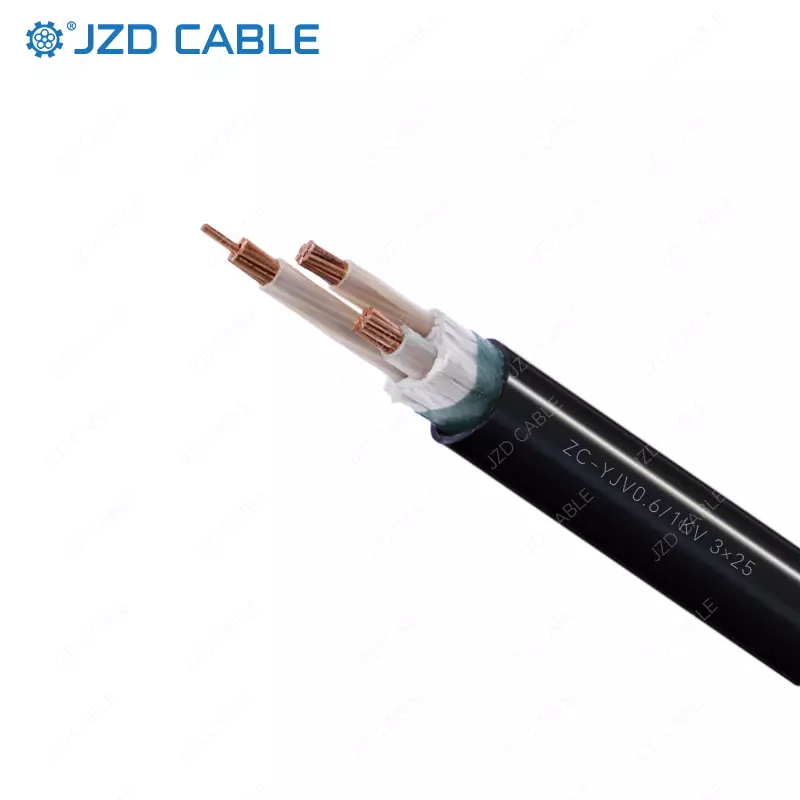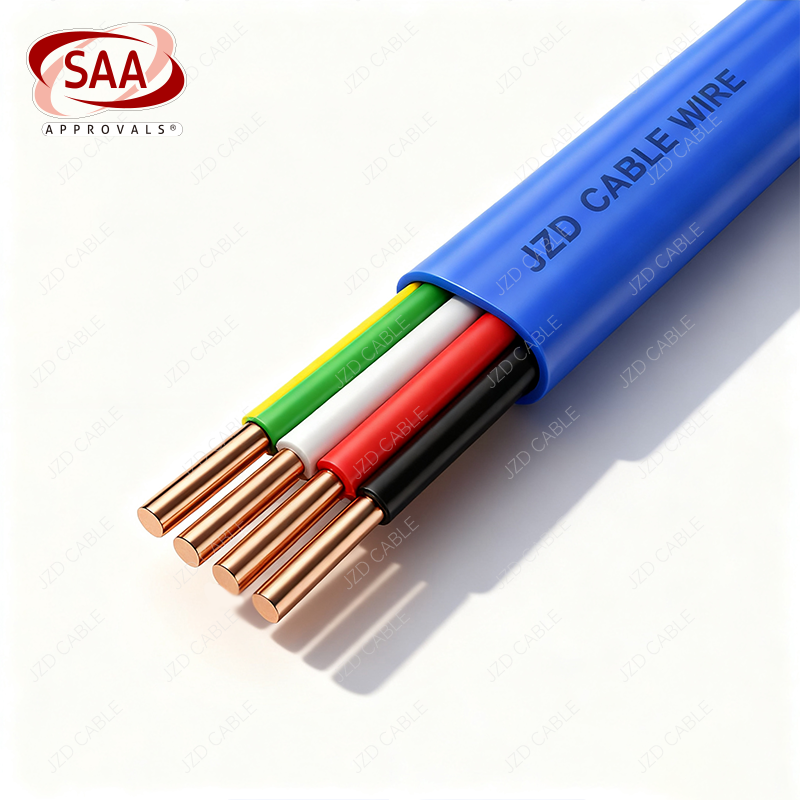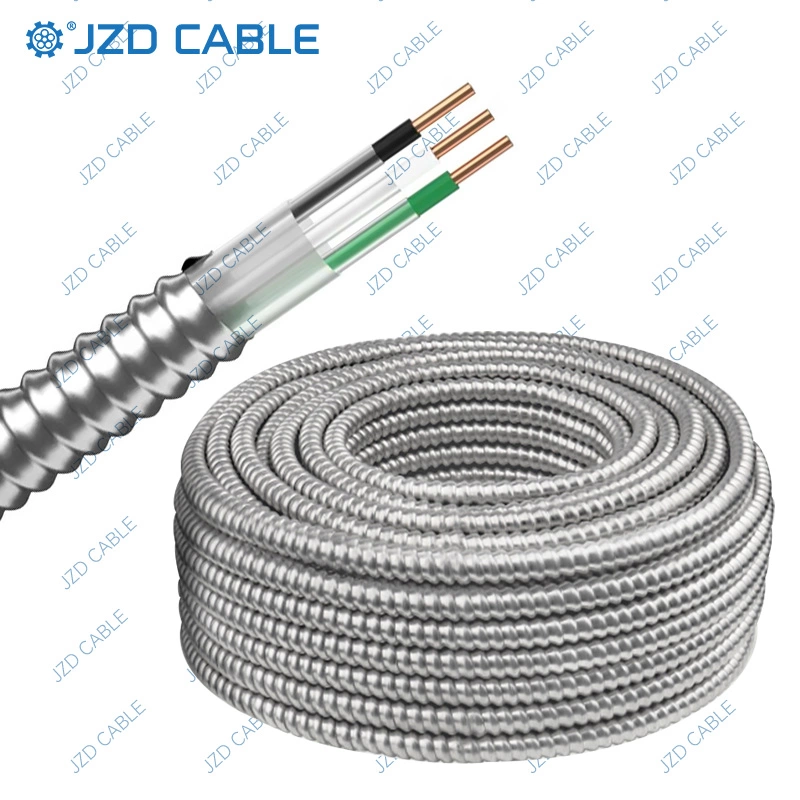


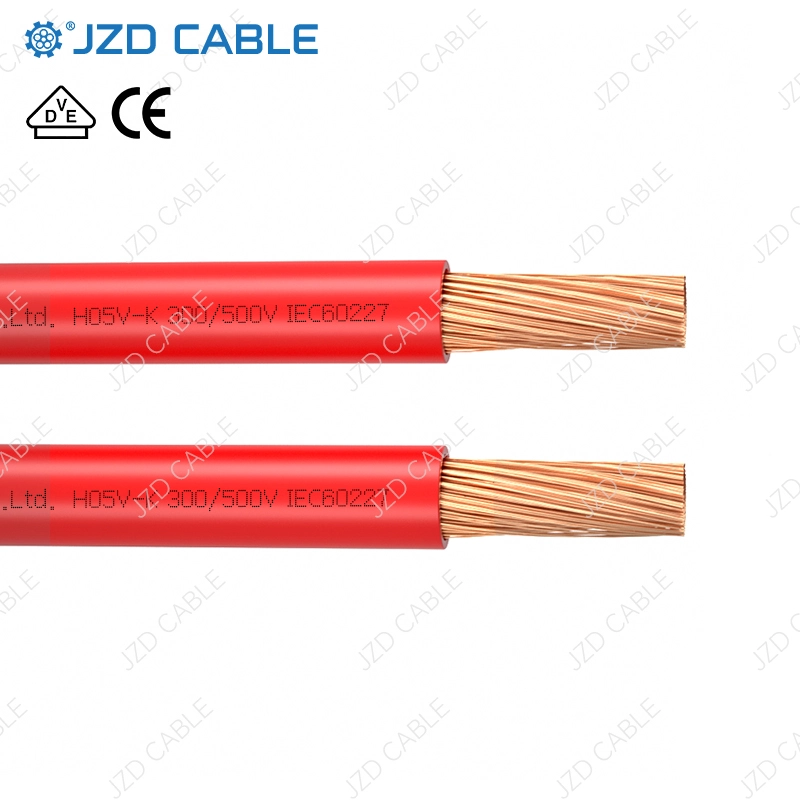
Navigating the complexities of electrical components requires reliable and compliant solutions. The H05V2-K cable stands out as a versatile single-core cable, engineered to meet rigorous European standards. This blog delves into its specifications, applications, and key advantages, explaining why it is a preferred choice for various industrial and commercial wiring needs. Discover how JZD Cable’s commitment to quality ensures superior performance and safety in every project.
What is H05V2-K?
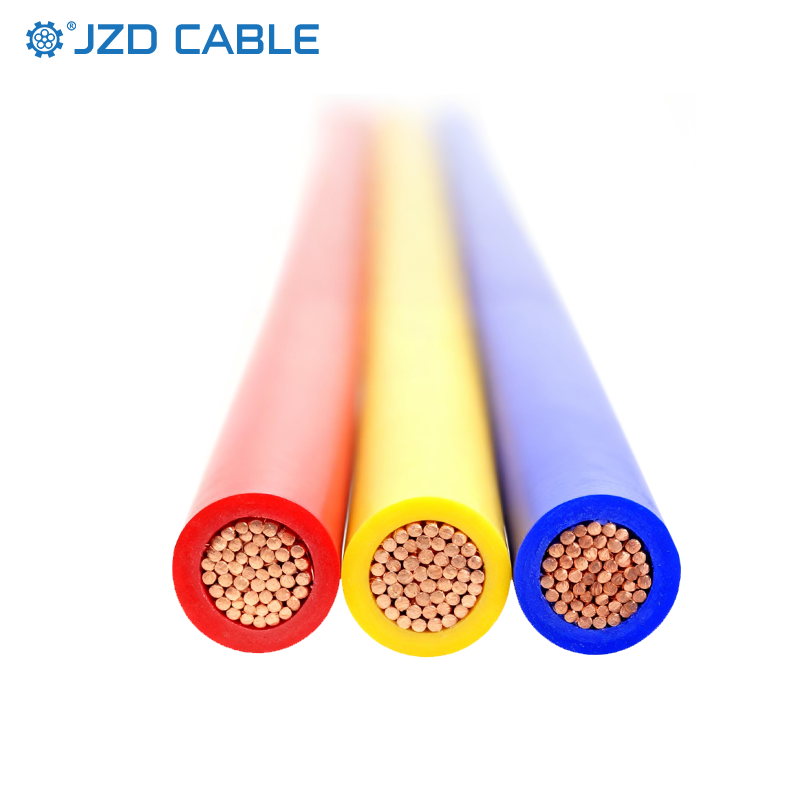
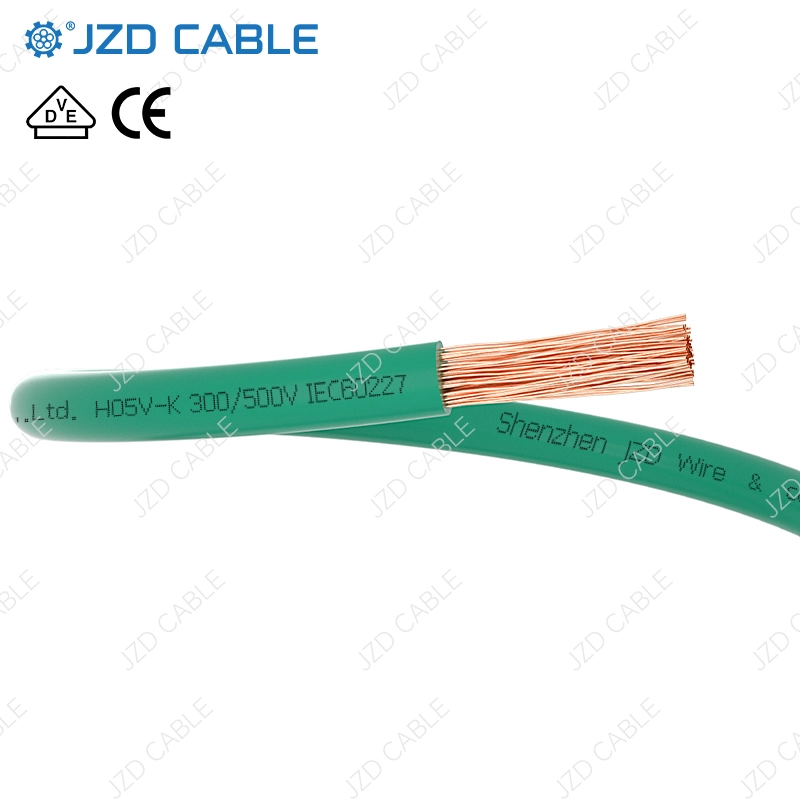
- Conductor:Multi-stranded bare copper wire (soft annealed), conforming to VDE-0295 Class 5 and IEC 60228 Class 5 standards.
- Insulation:Heat-resistant PVC (Type TI3) compliant with VDE 0281 Part 7, offering thermal stability and insulation performance.
- Rated Voltage:300/500V AC (Uo/U) for standard applications; higher ratings available for specific scenarios.
- Temperature Range:
- Flexible use: +5°C to +90°C
- Static installation: -10°C to +90°C
- Short-circuit (fault) temperature: Up to +160°C
Features and Applications of H05V2-K
-
Compliance with European Standards Certified by VDE, meeting environmental and safety requirements for the European market.
-
Eco-Friendly and Safe Complies with RoHS directives, uses environmentally friendly materials, and achieves flame-retardant standards (IEC 60332.1), ideal for industrial and commercial environments.
-
Wide Applicability Suitable for electrical cabinets, control rooms, internal connections in industrial machinery, and other scenarios requiring high reliability.
Typical Applications:
-
Industrial and Equipment Fields Internal wiring for electrical cabinets, control rooms, connectors, industrial machinery, power stations, heating, and air conditioning systems.
-
Building and Lighting Fixed installation or non-continuous mobile lighting systems, signal systems, and embedded conduit wiring.
-
Special Environments Internal wiring in equipment requiring frequent bending or limited space, and industrial settings with fire or explosion-proof requirements.

Common Mistakes in Cable Selection
-
Incorrect Conductor Size or Voltage Rating:Undersized cables can overheat, causing voltage drops or safety hazards. -
Improper Installation:Excessive bending or compression may damage insulation, leading to short circuits. -
Ignoring Environmental Conditions:Temperature, chemical exposure, and mechanical stress can accelerate aging. -
Using Low-Quality Cables:Cheap options may save costs initially but result in failures, wear, or safety risks. -
Overlooking Certifications:Non-compliance with UL, CE, or TUV standards can lead to regulatory issues.
Proactive Solutions:
- Evaluate environmental conditions, mechanical demands, and electrical requirements.
- Verify certification compliance and ensure cables meet project-specific parameters.
By applying these criteria, engineers can prevent performance mismatches and ensure long-term reliability.