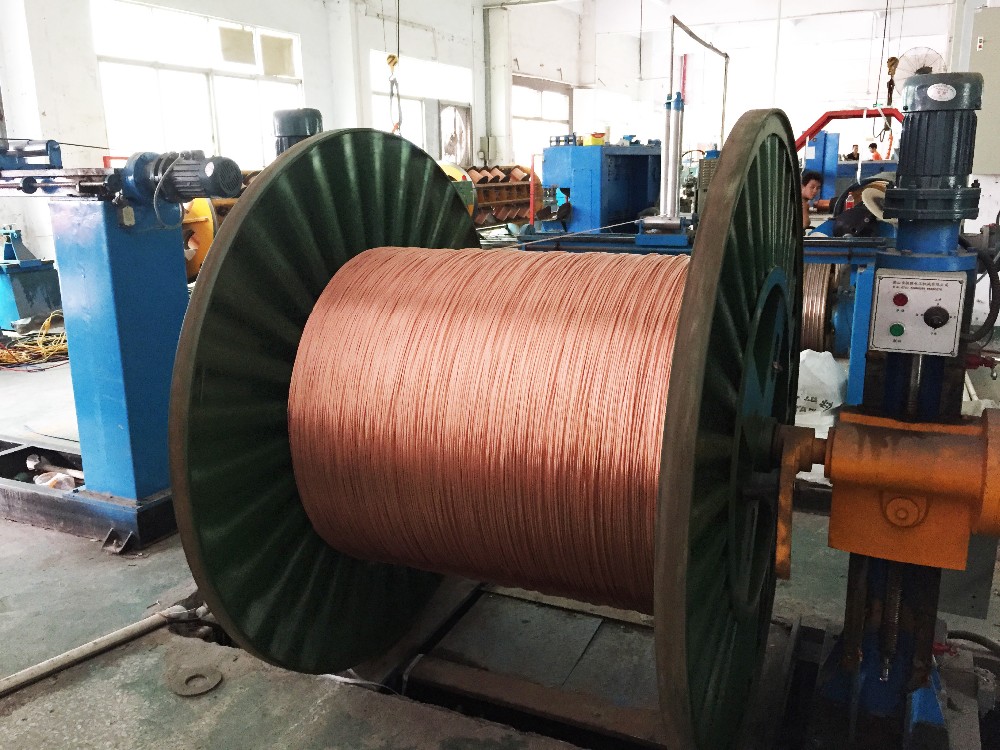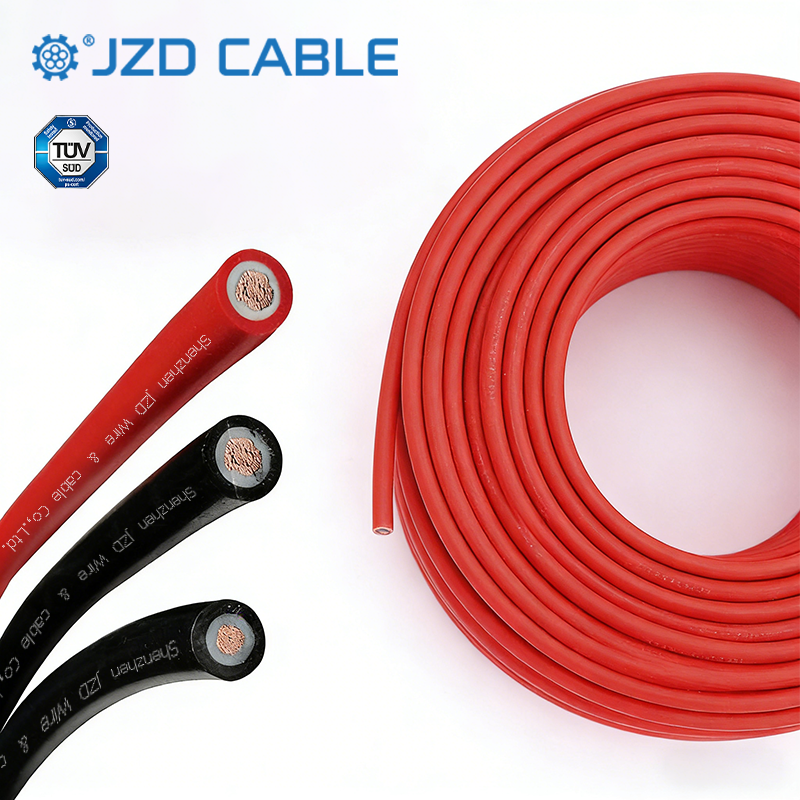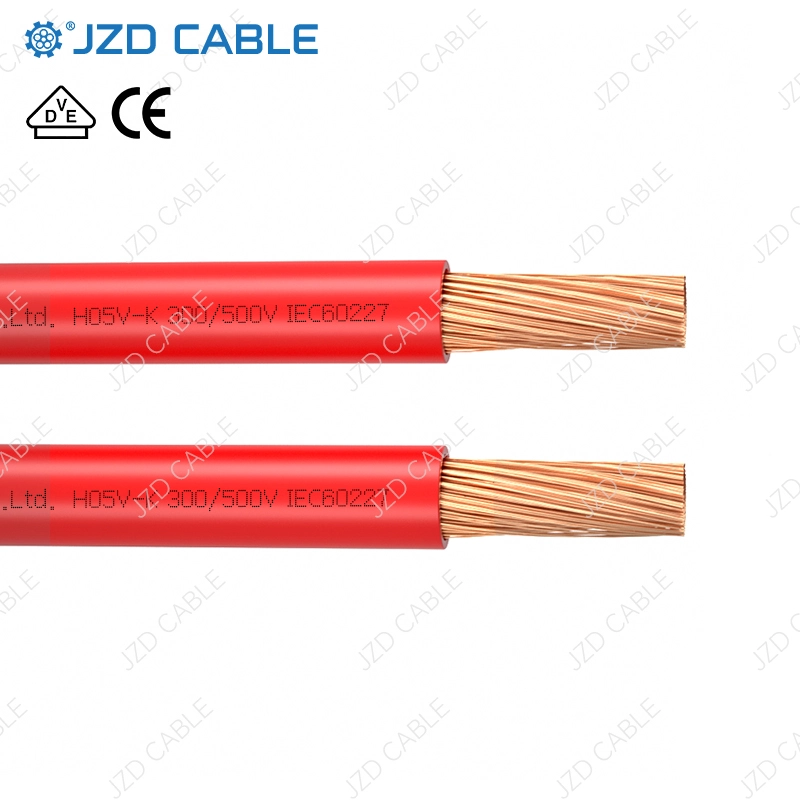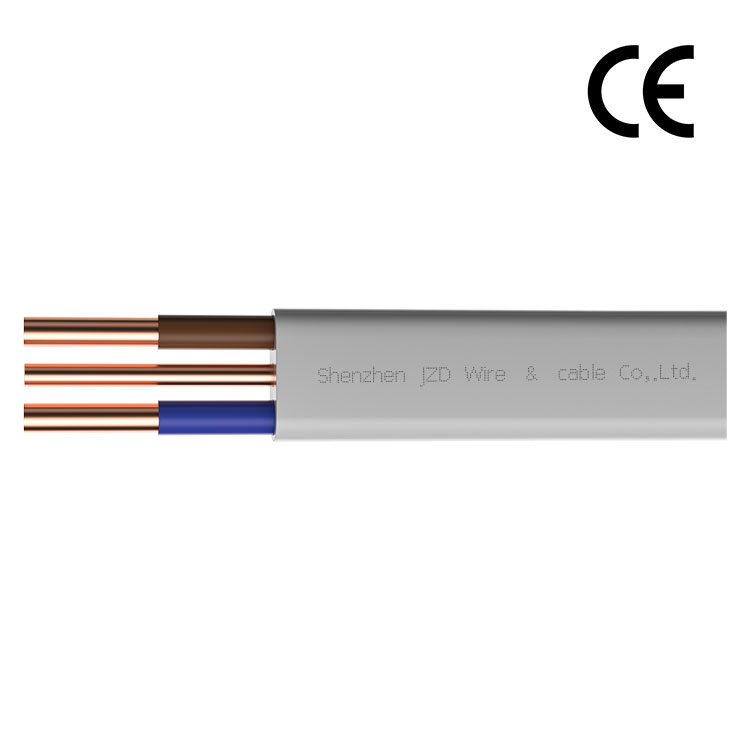


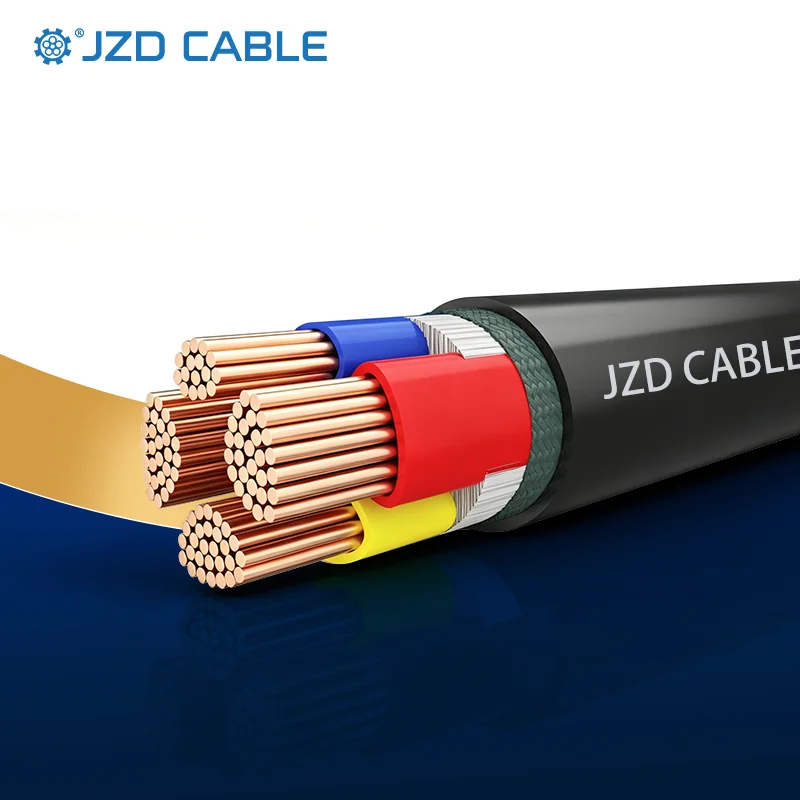
Among low-voltage power cables, VV cable is one of the most widely recognized and cost-effective options. Standing for copper conductor, PVC insulation, PVC sheath, VV cable has been a staple of indoor power distribution for decades. While newer XLPE-insulated cables (YJV) have taken over many permanent installations, VV remains relevant for temporary projects, budget-constrained builds, and dry indoor environments where its lower cost outweighs its shorter lifespan.
This guide covers everything you need to know about VV cable — construction, core features, typical applications, and how it compares to its XLPE cousin YJV.
What Does “VV” Mean?
|
Letter
|
Meaning
|
|---|---|
|
V (first)
|
PVC insulation (Polyvinyl Chloride)
|
|
V (second)
|
PVC outer sheath (Polyvinyl Chloride)
|
|
No prefix
|
Copper conductor (if aluminum, the code becomes VLV)
|
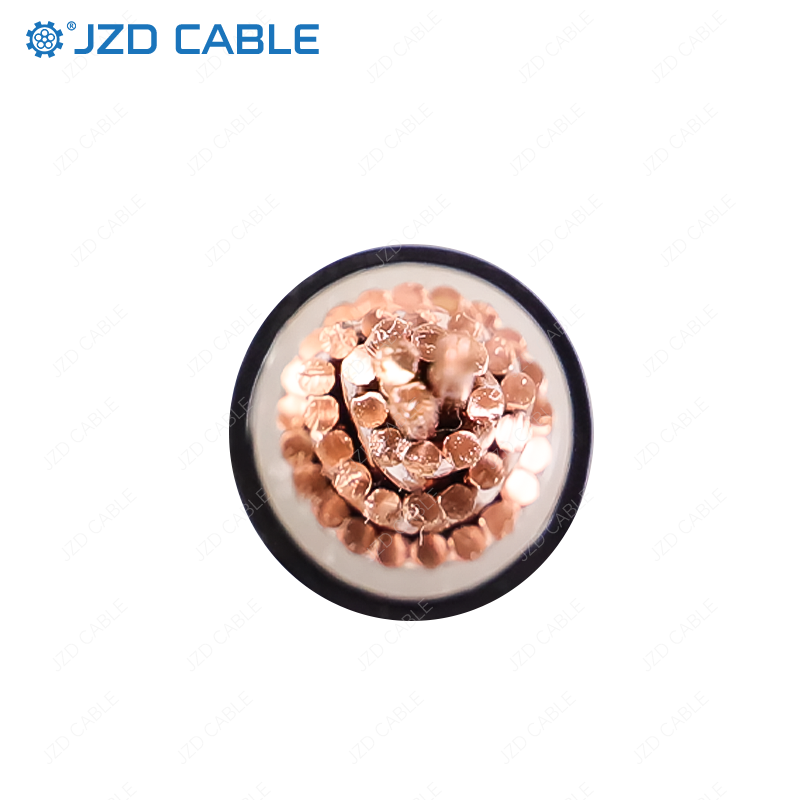
So VV = Copper conductor + PVC insulation + PVC sheath.
VLV = Aluminum conductor + PVC insulation + PVC sheath.
Common variations include:
- VV22 — Steel tape armoured (compression resistance, no tension)
- VV32 — Fine round steel wire armoured (tension + compression)
Cable Construction (Layer by Layer)
|
Layer
|
Material
|
Function
|
|---|---|---|
|
1. Conductor
|
Stranded copper (or aluminum for VLV), solid or stranded, 10–300 mm², 1–5 cores
|
Current carrying
|
|
2. Insulation
|
PVC (thermoplastic)
|
Dielectric separation, rated for 0.6/1 kV
|
|
3. Filler + binder
|
Non-woven fabric tape, filler rope
|
Round shape, separates cores from sheath
|
|
4. Inner sheath (optional)
|
PVC (for armoured types)
|
Separates armour from cores
|
|
5. Armour (optional)
|
Steel tape (22) or steel wire (32)
|
Mechanical protection
|
|
6. Outer sheath
|
Black PVC
|
Environmental seal, UV resistance (limited), abrasion
|
Note: Unarmoured VV (plain) has layers 1–3 + 6. Armoured versions add layers 4–5.
Core Characteristics
1. Low Cost
PVC is significantly cheaper than XLPE (cross-linked polyethylene). For temporary projects or budget-limited installations, VV is the most economical power cable option.
2. Easy to Handle & Terminate
PVC insulation strips cleanly with standard tools. No special stripping technique required. The cable is moderately flexible (though stiffer than YJV for the same cross-section).
3. Adequate for Mild Environments
- Resists weak acids and alkalis
- Handles normal indoor humidity
- Suitable for dry basements, cable trays indoors, and conduit runs
4. Limited Temperature Performance
- Continuous operating temperature: 70°C (vs. YJV’s 90°C)
- Short-circuit temperature: 160°C max (≤5s) (vs. YJV’s 250°C)
- Minimum installation temperature: 0°C (below 0°C, the sheath may crack if bent)
5. Poor Fire Performance
- PVC burns with dense black smoke containing halogen acid gases (toxic, corrosive)
- Not suitable for fire-sensitive areas (hospitals, underground garages, high-rise escape routes) unless specially formulated (e.g., ZR-VV flame-retardant grade, but still halogen)
6. Limited Outdoor & UV Resistance
- Unprotected PVC degrades under sunlight — cracks and becomes brittle within 1–2 years of continuous UV exposure
- For outdoor use, VV must be in conduit or covered
7. Shorter Service Life
- Typical design life: 8–12 years (vs. YJV’s 20+ years)
- PVC ages faster at elevated temperatures; long-term 70°C operation accelerates hardening and cracking
Typical Applications
VV cable is used where budget, temporary duration, or benign indoor conditions dictate the choice:
|
Sector
|
Specific Use
|
|---|---|
|
Building interior conduit wiring
|
Residential, office, shopping mall, factory — lighting and socket circuits inside PVC or metal conduit
|
|
Indoor cable tray / ladder
|
Dry basements, substation rooms, workshops — no heavy crushing or tensile loads
|
|
Temporary construction power
|
Site huts, temporary lighting, small pumps and fans — short-term (1–3 years)
|
|
Fixed internal wiring of equipment
|
Distribution cabinets, control panels — dry, no oil, no vibration
|
|
Indoor cable trenches (covered)
|
Trenches with lids, no standing water, no vehicle traffic
|
⚠️ Not suitable for:
- High-temperature environments (boiler rooms, furnace areas)
- Fire-critical occupancies (hospitals, underground parking, high-rise evacuation routes)
- Long-term outdoor exposure (sunlight)
- Continuous heavy load (close to 70°C for years)
- Oil-contaminated areas (machine shops, hydraulic rooms)
- Direct burial without armour (rodent damage, moisture ingress)
Frequently Asked Questions
Q: Can VV cable be direct-buried?
A: Plain VV is not suitable for direct burial. Even armoured VV22/VV32 is only recommended for buried trenches if the soil is dry and free of rocks, and the cable is protected from mechanical damage. For reliable direct burial, use YJV22 or SWA cables with proper bedding.
Q: What is the difference between VV and VV22?
A: VV22 adds a steel tape armour layer between the inner and outer PVC sheaths. This protects against crushing and rodent damage but does not provide tensile strength (cannot hang vertically). For vertical shafts or underwater, use VV32 (steel wire armour).
Q: Is VV cable flame-retardant?
A: Standard VV is not flame-retardant. The flame-retardant version is designated ZR-VV (ZR =阻燃). Even ZR-VV still produces halogen smoke. For low-smoke, zero-halogen requirements, use WDZ-YJY (XLPE + LSZH).
Q: Can VV be used outdoors in conduit?
A: Yes — if the conduit is sealed and protects the cable from UV and moisture, VV can be used outdoors. The cable itself should not be exposed to sunlight.
Q: What sizes does VV come in?
A: Typical range: 10 mm² to 300 mm² (copper or aluminum), 1 to 5 cores (including 3+1, 4+1, 5-core). Larger sizes may be available on request.
Why Choose JZD Cable for VV Power Cables?
At JZD Cable , we manufacture VV and VLV power cables to international standards:
- Conductor: Copper or aluminum, stranded, 10–300 mm²
- Insulation: Grade PVC, 70°C rated
- Sheath: Black PVC, abrasion and moisture resistant
- Armour options: VV22 (steel tape), VV32 (steel wire)
- Flame-retardant option: ZR-VV available
- Applications: Indoor conduit, tray, temporary power, equipment internal wiring
We supply OEMs, contractors, and distributors with competitive pricing and fast lead times.
📩 Need a quote or technical specification for your VV cable project?
Contact the JZD team at jzdcable.com/contact — specify gauge, core count, armour type, and quantity.