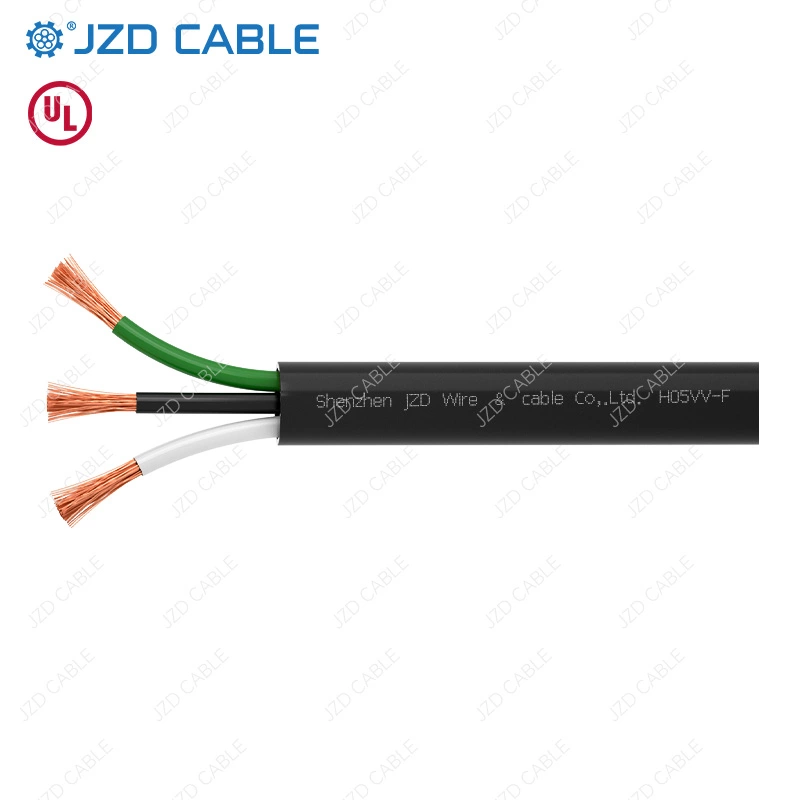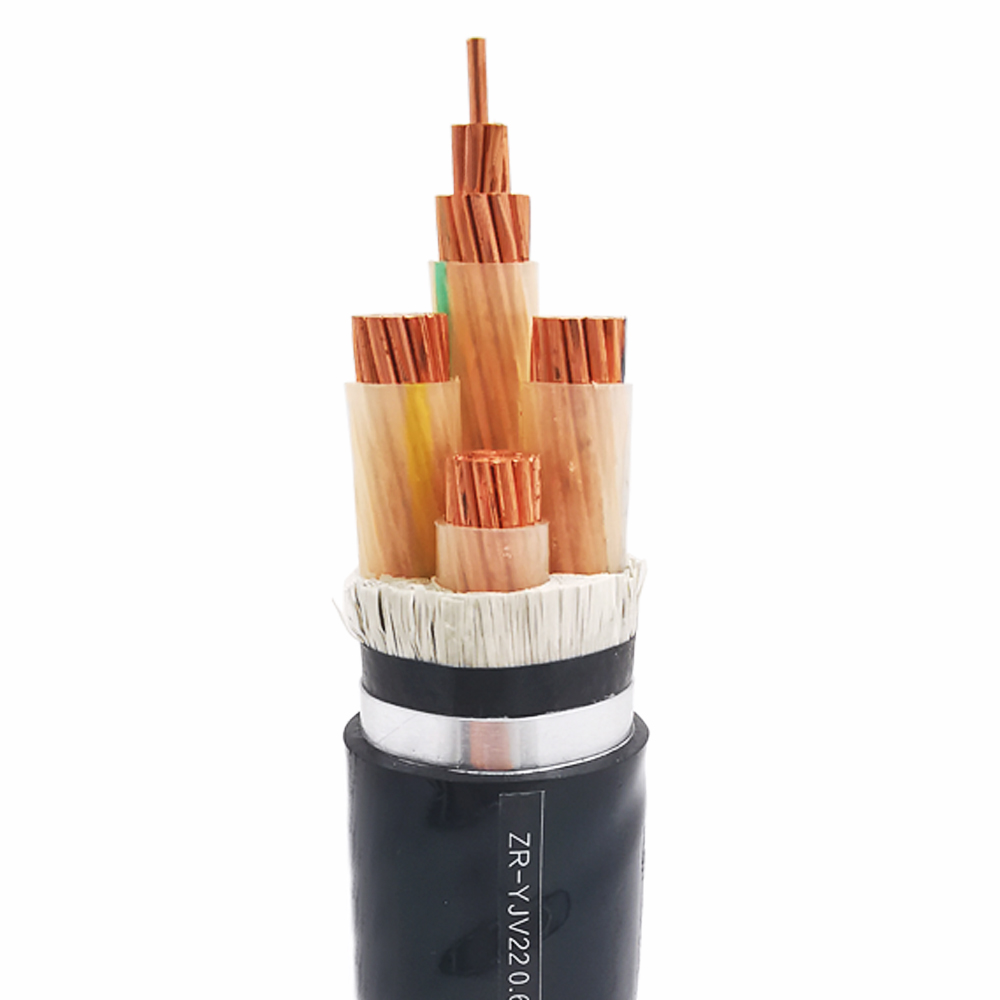


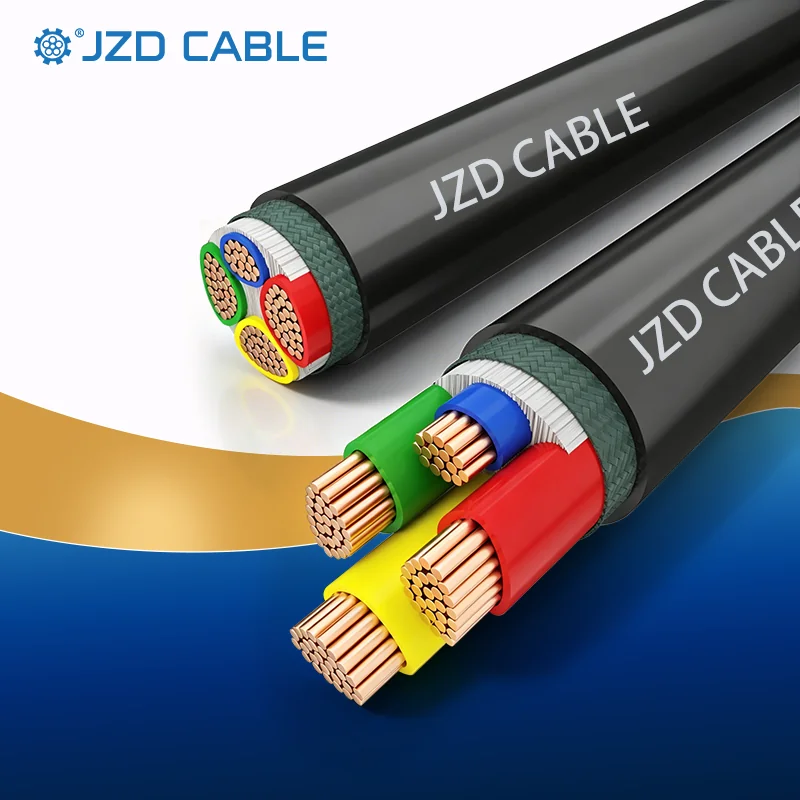
When specifying 0.6/1kV low-voltage power cables for a building, factory, or infrastructure project, the two names that appear on almost every BOQ are VV and YJV. Both share the same PVC outer sheath and the same voltage class — but under the jacket, they represent two completely different insulation technologies: PVC (thermoplastic) vs XLPE (cross-linked polyethylene, thermoset).
That single material difference cascades into temperature rating, ampacity, fire performance, service life, and total cost of ownership. Specifying the wrong one can mean premature aging, fire-code violations, or paying for XLPE where PVC would have sufficed.
This deep-dive compares VV and YJV across every dimension that matters on site, and gives you a clear decision framework.
Decoding the Model Codes
|
Code
|
Meaning
|
Insulation
|
|---|---|---|
|
VV
|
V=PVC insulation, V=PVC sheath
|
PVC (polyvinyl chloride, thermoplastic)
|
|
YJV
|
YJ=XLPE insulation, V=PVC sheath
|
XLPE (cross-linked polyethylene, thermoset)
|
|
VLV / YJLV
|
“L” = Aluminum conductor
|
Same insulation logic, Al instead of Cu
|
Common armoured derivatives:
- VV22 / YJV22 — Steel tape armour (crush resistance, no tensile)
- VV32 / YJV32 — Steel wire armour (tensile + crush, for vertical shafts / river crossing)
Both families cover 1–5 cores, 10–300 mm², 0.6/1kV rating.
Why XLPE Beats PVC — The Material Story
Before the parameter table, one quick note on whyYJV outperforms VV across so many metrics:
- PVC (VV) is a thermoplastic — linear polymer chains that slide past each other when heated. Above ~70°C continuous, the material begins to soften; at fault temperatures it can melt and drip.
- XLPE (YJV) is a thermoset — the polyethylene chains are chemically “cross-linked” into a 3D network. This network doesn’t melt, resists higher temperatures, has lower dielectric loss, and ages far slower.
That molecular difference is the root of every comparison below.
Full Side-by-Side Comparison
|
Category
|
Parameter
|
VV (PVC)
|
YJV (XLPE)
|
Why It Matters
|
|---|---|---|---|---|
|
Insulation
|
Material
|
PVC (thermoplastic)
|
XLPE (thermoset cross-linked)
|
XLPE won’t melt; PVC softens at high temp
|
|
Temp
|
Continuous operating
|
70°C
|
90°C
|
YJV carries ~15–25% more current per same gauge
|
|
Short-circuit (≤5s)
|
160°C
|
250°C
|
YJV survives faults that melt VV
|
|
|
Min. install temp
|
0°C
|
0°C
|
Both need preheating below 0°C
|
|
|
Electrical
|
Voltage class
|
0.6/1kV
|
0.6/1kV
|
Both fine for low-voltage distribution
|
|
Ampacity (same section)
|
Baseline (100%)
|
+15% to +25%
|
Bridge congested tray / high ambient — YJV wins
|
|
|
Dielectric loss
|
High
|
Very low
|
Long feeders: YJV has lower voltage drop
|
|
|
Insulation resistance
|
Moderate
|
High
|
Damp tunnels / basements: YJV stays stable
|
|
|
Fire/Smoke
|
Combustion behavior
|
Dense black smoke, halogen acid (toxic, corrosive)
|
Plain YJV: low smoke; WDZ-YJV: low smoke zero halogen, non-toxic
|
Hospitals, basements, high-rises — plain VV banned in many codes
|
|
Flame-retardant grades
|
ZR-VV (A/B/C)
|
ZR-YJV, WDZ-YJY, NH-YJV
|
Low-smoke zero-halogen only exists in XLPE family
|
|
|
Environment
|
Aging / heat life
|
Poor — 70°C long-term → hard & brittle
|
Excellent — 90°C long-term stable
|
Permanent backbone: YJV life ~2× VV
|
|
UV / outdoor
|
Very poor — 0.5–2 yrs to cracking
|
Fair — short-term OK, long-term needs conduit/armour
|
Neither loves direct sun uninsulated
|
|
|
Oil / cutting fluid
|
Poor — swells & softens
|
Poor — also not oil-rated
|
Oil-contaminated areas need rubber (DLO etc.), not either
|
|
|
Acid/alkali (weak)
|
OK
|
OK
|
Both need extra anti-corrosion sheath for aggressive chemical
|
|
|
Mechanical
|
Flexibility
|
Stiffer
|
Relatively softer (easier bends)
|
YJV easier to pull in congested conduits
|
|
Bend radius (unarmoured)
|
≥15× OD
|
≥15× OD
|
Same installation rule
|
|
|
Bend radius (22 armoured)
|
≥12× OD
|
≥12× OD
|
Same
|
|
|
Lifecycle
|
Design life
|
8–12 years
|
20+ years
|
New permanent builds: GB/design codes favour YJV
|
|
Cost
|
Same-spec price
|
Baseline (cheaper)
|
+15% to +30%
|
PVC raw resin cheaper than XLPE compound
|
|
Derivatives
|
Armour
|
VV22 (tape), VV32 (wire)
|
YJV22 (tape), YJV32 (wire)
|
Armour function identical; only insulation differs
|
|
Al conductor
|
VLV / VLV22 / VLV32
|
YJLV / YJLV22 / YJLV32
|
Al saves cost; electrical gap vs Cu same in both
|
|
|
Positioning
|
Recommended
|
Temporary works, light-load dry indoor, budget-tight projects
|
Permanent distribution backbone, high-temp rooms, congested tray, underground garage, hospital, direct burial
|
—
|
|
Avoid / Ban
|
High-temp, fire-sensitive occupancy, long-term outdoor, heavy continuous load
|
No absolute ban — only cost concern
|
—
|
Six Dimensions Where the Choice Actually Bites
1. Temperature & Ampacity — The 20°C Gap
VV tops out at 70°C continuous; YJV runs at 90°C. That 20°C headroom translates directly into 15–25% more ampacity for the same copper cross-section. In a congested cable tray where ambient hits 40°C, VV may need to derate to a larger gauge while YJV stays within the original size. Over a whole building, that can mean downsizing from 150 mm² to 120 mm² on dozens of runs — the XLPE premium pays back fast.
2. Fire & Smoke — Where VV Gets Banned
This is the single biggest code-driven differentiator:
- VV (PVC) burns with dense black halogen smoke — hydrogen chloride gas is toxic to occupants and corrosive to nearby electronics/server gear.
- Plain YJV already smokes less than VV. But the real upgrade is WDZ-YJY (low-smoke zero-halogen XLPE with LSZH sheath) — no toxic halogens, minimal smoke.
📌 Code reality: Many jurisdictions (China GB, EU EN, Middle East high-rise specs) ban plain VV in hospitals, underground parking, high-rise egress routes, and data centres. If your BOQ says “low-smoke zero-halogen,” VV is out entirely — only the XLPE/LSZH family qualifies.
3. Service Life — 8–12 Years vs 20+
VV’s PVC ages under heat stress — after 8–12 years in a warm plant room, the insulation starts to harden and micro-crack. YJV’s XLPE network ages dramatically slower; 20-year design life is standard, and 30-year isn’t unusual in benign conditions.
For a permanent commercial building, specifying VV on the backbone means a re-cabling mid-life — labour + downtime cost dwarfs the initial 15–30% material saving.
4. Short-Circuit Withstand — 160°C vs 250°C
Fault currents can be brutal. VV’s PVC insulation begins breaking down toward 160°C; YJV’s XLPE holds to 250°C for 5 seconds. In a heavy-industrial feeder where fault clearing might be slow, YJV gives the extra margin before insulation puncture and fire.
5. Media & Environmental Resistance
Both struggle with oil, hydraulic fluid, and cutting oil — neither is “oil-rated.” For machine shops and hydraulic rooms, you need rubber (DLO, NBR/PCP) not VV or YJV. Both handle weak acid/alkali OK; both hate long-term UV (need conduit or armour + UV-stable sheath).
Where YJV pulls ahead: damp underground / tunnel — XLPE’s higher insulation resistance stays stable where PVC slowly degrades in persistent moisture.
6. Total Cost of Ownership
- Upfront: VV is 15–30% cheaper per metre (PVC resin < XLPE compound).
- Over 20 years: VV may need replacement once (8–12 yr life) → second capital + labour + downtime. YJV runs the full 20+ years.
- Hidden saving: YJV’s higher ampacity can let you downsize gauge on some runs — offsets the unit premium.
Rule of thumb: For temporary / 3–5 year builds → VV is rational. For permanent commercial/industrial → YJV always wins on lifecycle, even before you count fire-code compliance.
Selection Decision Tree
|
Project Context
|
Recommendation
|
Reason
|
|---|---|---|
|
Temporary site hut, 2–3 yr lifespan
|
VV
|
Cheapest, adequate
|
|
Residential indoor conduit, light load, dry
|
VV (or YJV if budget allows)
|
VV acceptable per many residential codes
|
|
Commercial office backbone, cable tray
|
YJV
|
Higher ampacity, 20yr life
|
|
Hospital, underground garage, high-rise egress
|
WDZ-YJY (LSZH XLPE)
|
Plain VV banned; halogen smoke risk
|
|
Factory with warm machine room (>50°C ambient)
|
YJV
|
VV would cook at 70°C cap
|
|
Direct burial / outdoor rack
|
YJV22 or YJV32
|
XLPE + armour; VV22 possible but shorter life
|
|
Oil-mist / hydraulic shop
|
Neither — use DLO / rubber
|
Both VV & YJV fail in oil long-term
|
|
Budget-constrained rural distribution
|
VLV (Al YJV)
|
Al + XLPE = lowest lifecycle cost per amp-km
|
FAQ
Q: Can VV and YJV be mixed in the same project?
A: Electrically yes — same voltage class, same termination methods. Practically, mixing creates two spare inventories. Most EPCs pick one family for consistency unless budget forces VV on minor branches.
Q: Is YJV always worth the +15–30% premium?
A: For permanent installs, almost always — the ampacity gain + lifecycle length offset it. For a 2-year temporary site, VV is the rational lean choice.
Q: What does “WDZ-YJY” mean exactly?
A: W=halogen-free, D=low smoke, Z=flame-retardant; YJ=XLPE, Y=PE sheath (instead of V PVC, because PVC itself is halogen-containing). This is the go-to for fire-sensitive occupancies.
Q: Can VV32/VV22 substitute for YJV32/YJV22 in vertical shafts?
A: Mechanically yes (armour function identical). But the 70°C vs 90°C rating still applies — if the shaft ambient is warm or the feeder is heavy-load, YJV32 is the safer long-term pick.
Q: Does aluminum (VLV / YJLV) change the comparison?
A: No — the Al version of each inherits the same insulation gap. YJLV beats VLV on the same dimensions (ampacity, life, fire). Al just lowers the absolute price point for both.
JZD Cable VV & YJV Product Range
At JZD Cable, we manufacture both families so you can match the spec without splitting suppliers:
VV / VLV Series:
- Cu (VV) or Al (VLV), 10–300 mm², 1–5 cores
- VV22 (steel tape), VV32 (steel wire)
- ZR-VV flame-retardant grade available
- PVC 70°C rated, 0.6/1kV
YJV / YJLV Series:
- Cu (YJV) or Al (YJLV), 10–300 mm², 1–5 cores
- YJV22 (steel tape), YJV32 (steel wire)
- WDZ-YJY low-smoke zero-halogen available (hospital / underground / high-rise)
- XLPE 90°C rated, 0.6/1kV
Full mill test reports, third-party certification (as required by market), custom reel lengths, and cross-reference to IEC / BS / AS/NZS equivalents on request.
📩 Need a VV vs YJV recommendation for your project?
Send your BOQ to jzdcable.com/contact — tell us load current, ambient, route (tray/buried/shaft), and fire-code requirement, and we’ll size the gauge + pick the family.