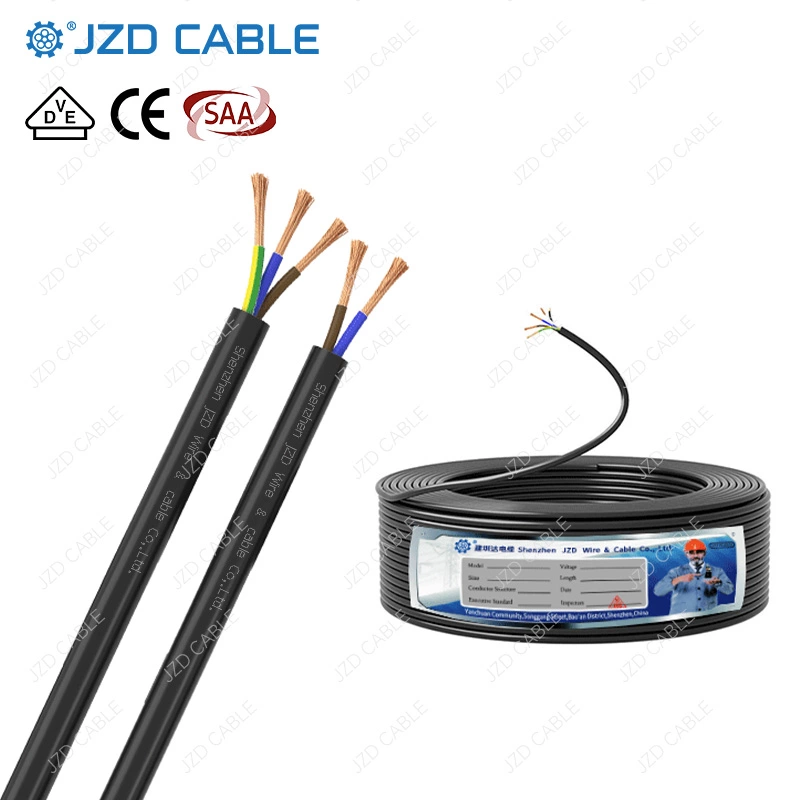


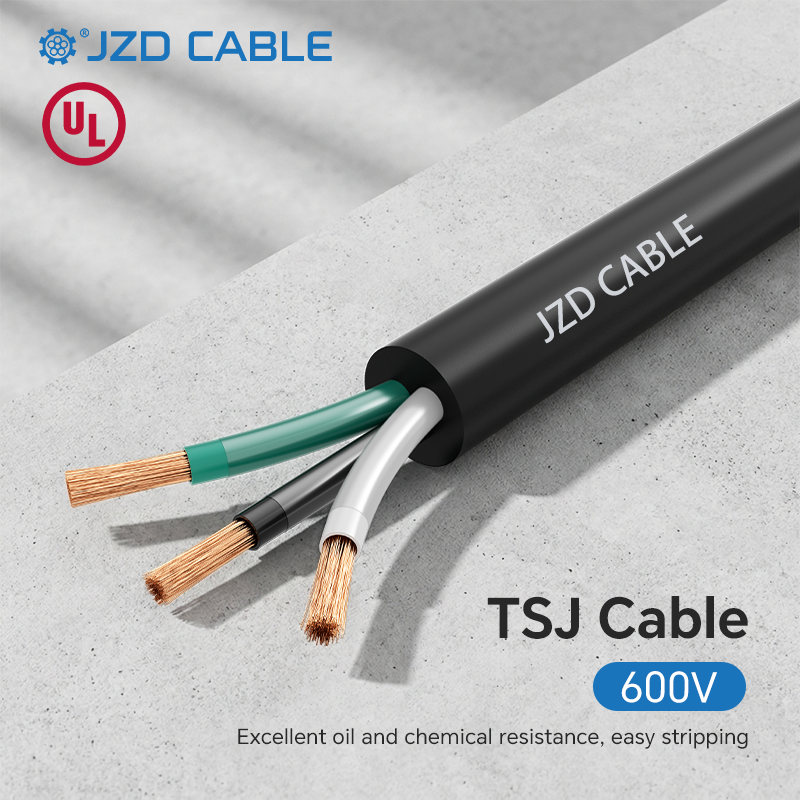
When choosing a flexible portable cord, you may come across two similar options: TSJ and TSJ-N. Both are rated 600V, but their insulation structures are different. So, what does the nylon layer in TSJ-N actually add, and is it worth choosing over standard TSJ? Let’s take a closer look.
What Are TSJ and TSJ-N Cables?
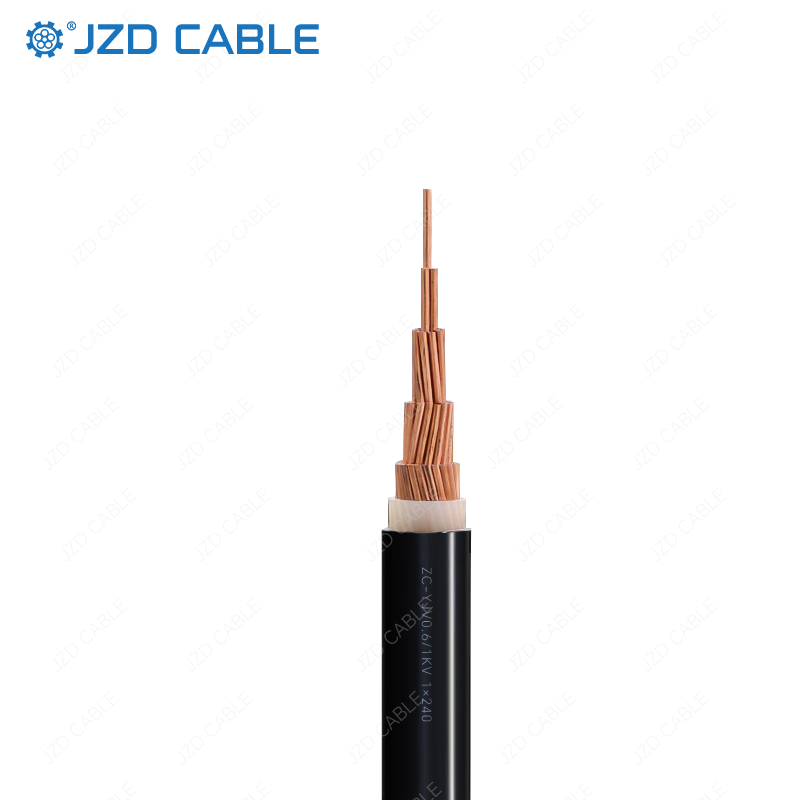
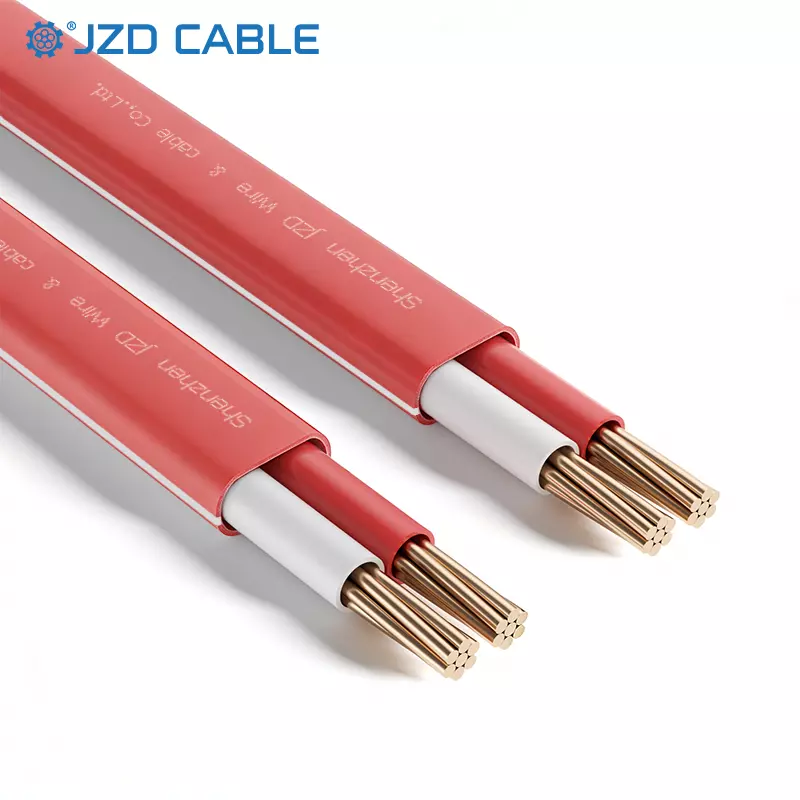
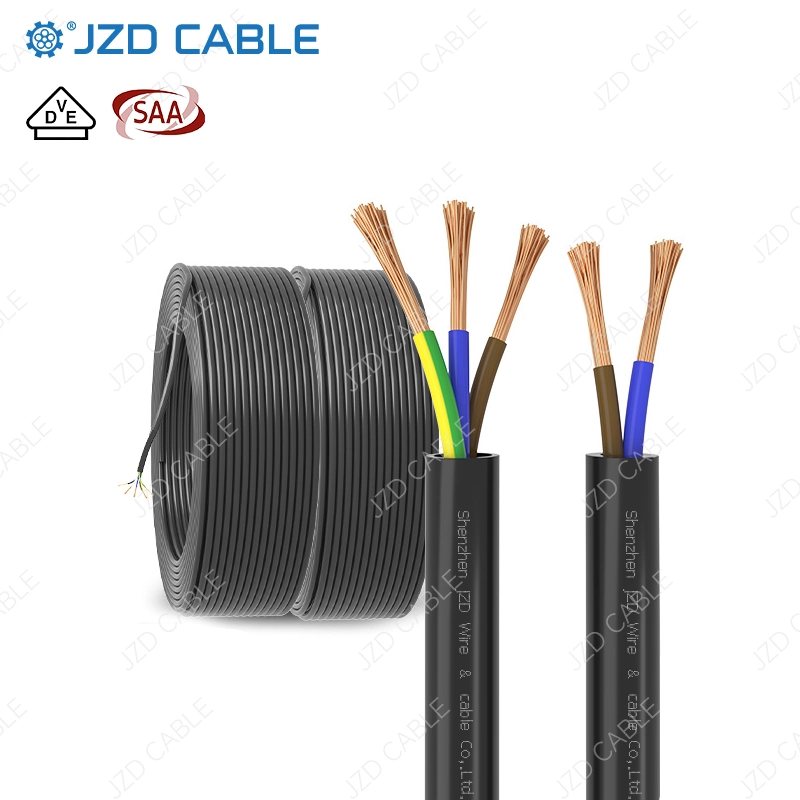
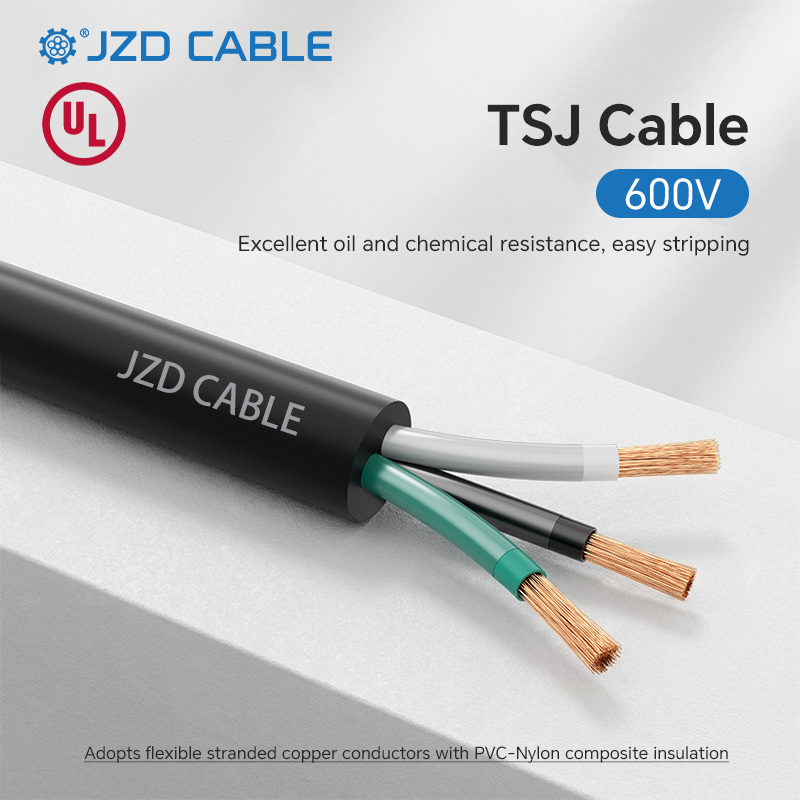
TSJ and TSJ-N are flexible portable cords designed for applications requiring movable electrical connections. Both typically feature stranded copper conductors, insulated individual cores, and an overall PVC jacket.
The main structural difference is the insulation surrounding each conductor:
- TSJ Cable: Uses PVC insulation around each conductor, with an overall PVC jacket.
- TSJ-N Cable: Adds a separate nylon layer over the PVC conductor insulation, followed by an overall PVC jacket.
The exact construction may vary by manufacturer, so buyers should always check the applicable product specification.
Key Differences Between TSJ and TSJ-N
| Feature | TSJ Cable | TSJ-N Cable |
| Conductor | Stranded copper | Stranded copper |
| Core insulation | PVC | PVC + Nylon |
| Outer jacket | PVC | PVC |
| Core surface protection | Standard | Additional abrasion protection |
| Construction | Simpler insulation structure | Additional nylon layer |
| Selection focus | General portable applications | Applications requiring extra core protection |
The overall PVC jacket remains an important part of the cable’s protection. The nylon layer in TSJ-N is applied to individual insulated conductors rather than serving as an additional outer jacket.
What Does the Nylon Layer Add?
The nylon layer in TSJ-N provides an additional protective surface over the PVC conductor insulation. Its main benefits include:
1. Improved abrasion resistance
Nylon helps protect the insulated conductors against surface wear caused by friction during handling, routing, and installation.
2. Additional chemical resistance
Nylon offers resistance to certain chemicals and substances. However, the actual chemical compatibility depends on the materials involved and the cable’s construction.
3. Extra protection for individual conductors
The additional layer provides another level of protection around each conductor, which can be useful in applications where the insulated cores may experience repeated contact or friction.
It is important to distinguish core insulation protection from overall cable performance. The nylon layer does not automatically make the complete cable waterproof, oil-resistant, or suitable for harsher outdoor conditions. These properties depend largely on the outer jacket and the relevant product ratings and test results.
Typical Applications of TSJ and TSJ-N Cables
The choice between TSJ and TSJ-N depends on how the cable is used, how frequently it is moved, and the level of protection required.
1. Industrial Equipment and Maintenance Workshops
Portable tools, testing instruments, and movable machinery often require flexible power connections. Cables may be repositioned frequently or routed around equipment during maintenance.
- TSJ: Suitable for general portable connections where standard PVC insulation meets the application requirements.
- TSJ-N: Worth considering when individual conductors may experience additional friction against equipment surfaces, metal edges, or other materials.
2. Construction Sites and Temporary Power
Temporary power systems on construction sites commonly supply portable tools, work lights, and other movable equipment. Cables may be routed around work areas and repositioned as construction progresses.
TSJ can be considered for general temporary power connections when its ratings match the working conditions. TSJ-N may be a better option when additional abrasion protection for individual conductors is needed.
However, neither nylon insulation nor a standard PVC jacket should be treated as protection against heavy crushing, severe impact, or repeated dragging over rough surfaces. Such conditions may require a heavy-duty cable specifically rated for mechanical demands.
3. Outdoor Equipment and Temporary Lighting
Temporary lighting, portable equipment, and power connections at outdoor work areas may require flexible cables that can be moved between locations.
Both TSJ and TSJ-N may be considered where their voltage, temperature, environmental, and outdoor-use ratings are appropriate.
Adding a nylon layer does not automatically improve the cable’s weather resistance or moisture protection. Buyers should verify the outer jacket’s suitability for the intended environment.
What Should Buyers Consider When Selecting TSJ Cable?
Beyond the difference between PVC and PVC + Nylon insulation, several specifications should be checked before placing an order.
| Selection Factor | What to Check |
| Conductor size | Match the conductor gauge to the electrical load and installation conditions |
| Number of conductors | Choose duplex, triplex, or quadruplex according to the circuit design |
| Voltage rating | Confirm compatibility with the equipment and power supply |
| Temperature rating | Check the permitted operating temperature |
| Outer jacket | Verify resistance to the expected environmental conditions |
| Insulation structure | Choose standard PVC or PVC + Nylon based on the required level of core protection |
Current-carrying capacity should also be evaluated according to the load, conductor size, ambient temperature, and installation conditions.
JZD TSJ 600V Flexible Portable Cord Solutions
JZD provides TSJ cable solutions for portable power applications, with customization options for different project requirements.
Depending on the required construction, buyers can specify standard PVC conductor insulation or a PVC + Nylon insulation structure.
Contact JZD to discuss your cable requirements, request technical specifications, or obtain free samples for evaluation.