

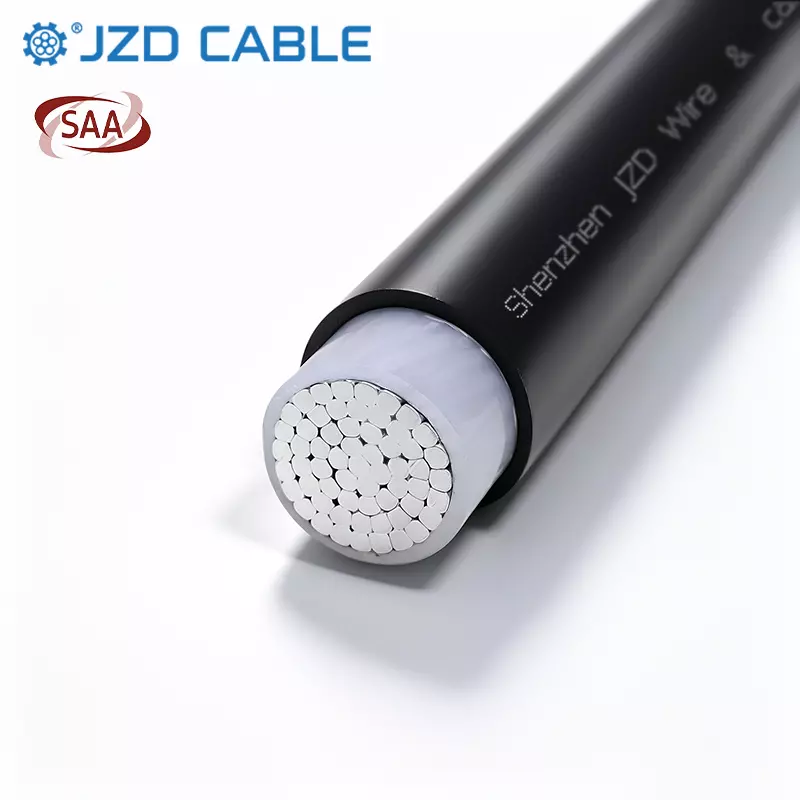
In electrical wiring and cable installations, one rule is non-negotiable: never directly splice or crimp copper and aluminum conductors together. This fundamental principle is essential for long-term safety and system reliability. At JZD Cable, we understand the science behind this restriction—and why ignoring it can lead to equipment failure, power loss, and even fire.
This article explains the core reasons copper and aluminum should not be directly connected, along with professional methods to create safe, durable connections.
1. Electrochemical Corrosion: The Primary Culprit
Copper and aluminum have significantly different electrochemical properties.
When joined, the presence of even minimal moisture or airborne salts creates a galvanic cell—essentially a tiny battery—at the connection point.
- Aluminum, being more reactive, acts as the anode and corrodes rapidly, turning into a powdery oxide.
- The joint weakens, contact resistance increases, and overheating begins.
Once corrosion starts, the connection deteriorates quickly, leading to power drop and thermal runaway.
2. Different Thermal Expansion Rates: A Loosening Connection
Copper and aluminum expand and contract at different rates when heated or cooled.
Every time current flows, the conductors heat up; when the power is off, they cool down.
- This repeated thermal cycling gradually loosens the connection.
- A loose joint increases resistance, which generates more heat, causing further loosening—a dangerous cycle.
Without proper compensation, even an initially tight connection will fail over time.
3. Mismatched Hardness: Poor Mechanical Contact
Copper is relatively hard, while aluminum is softer.
- When crimped or screwed together, aluminum deforms under pressure, reducing the contact area.
- Vibration or thermal movement can then create a poor electrical contact (a “virtual joint”), leading to arcing and localized heating.
A weak mechanical grip means an unreliable electrical connection.
4. Serious Safety Hazards
A faulty copper-aluminum joint is a common cause of electrical incidents. The results can include:
- Severe overheating and scorching
- Discoloration and melting of insulation
- Visible sparking (“arcing”) or popping sounds
- Electrical fires due to ignition of surrounding materials
These risks underscore why safe connection practices are not optional—they’re critical.
✅ The Right Way to Connect Copper and Aluminum
Instead of direct joining, use these approved methods:
1.Bimetallic (Copper-Aluminum) Connectors
- Use lugs, split bolts, or compression connectors specifically designed for both metals.
- These have a transition layer or plating that prevents galvanic corrosion.
2.Tin-Plating (Timing)
- Coat the aluminum conductor with solder or tin to prevent oxidation and provide a compatible surface for copper.
- This is common for larger or older installations.
3.Welding or Ultrasonic Bonding
- Provides a molecular-level bond, eliminating air gaps and corrosion points.
- Ideal for permanent, high-current joints.
4.Transition Adaptors or Terminal Blocks
- Use intermediary components rated for mixed metals to maintain isolation.
At JZD Cable, we supply industry-standard cables and connectors—and we always recommend consulting a qualified electrician for mixed-metal installations.
Conclusion
Direct copper-aluminum connections are a hidden danger in electrical systems. Understanding the science—from galvanic corrosion to thermal stress—helps professionals avoid common pitfalls.
By choosing the right transition products and following established electrical codes, you ensure safety, efficiency, and durability in every installation.
JZD Cable specializes in high-quality power cables and connectivity solutions. For more technical insights or product information, visit jzdcable.com or contact our support team.