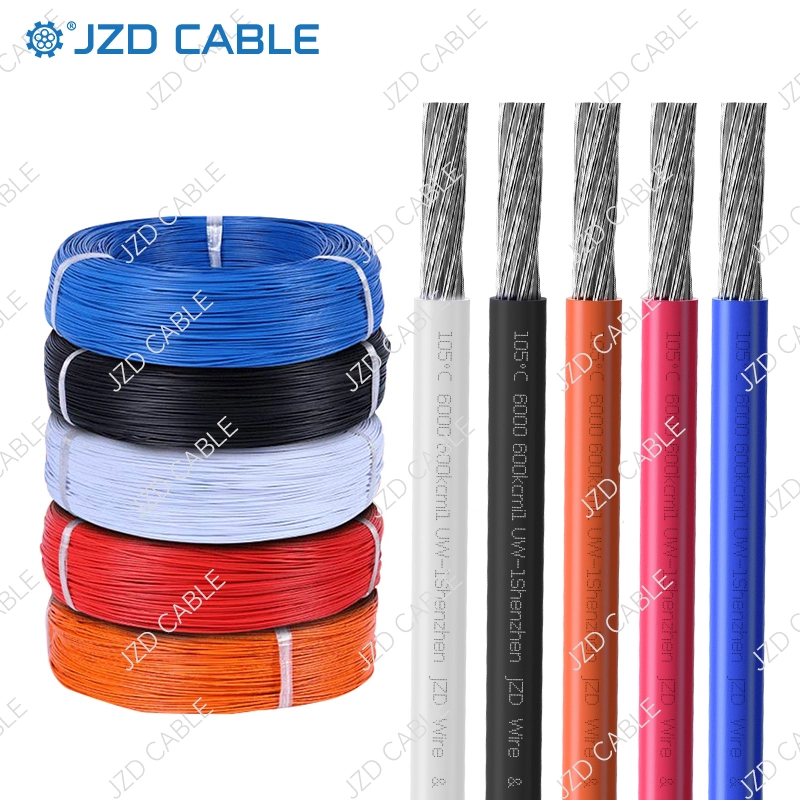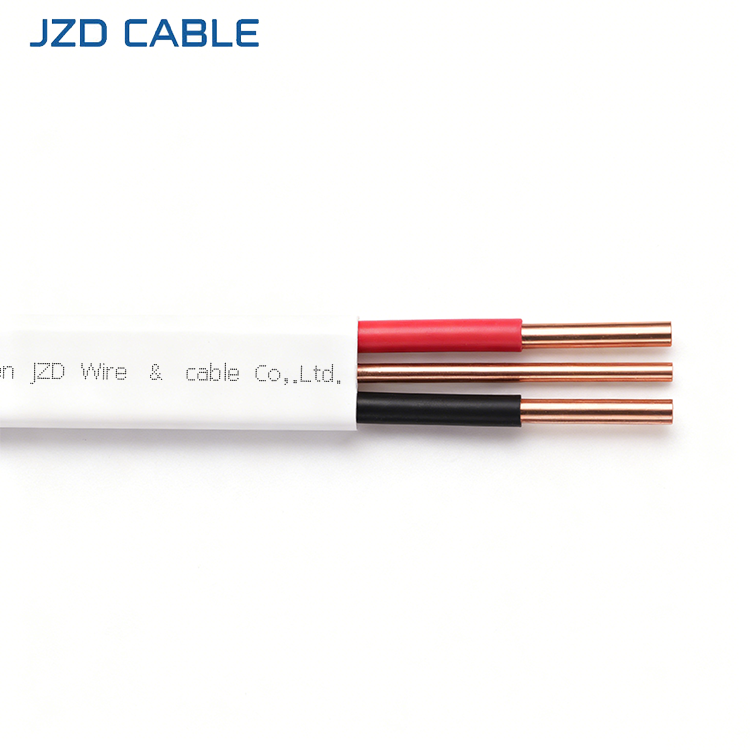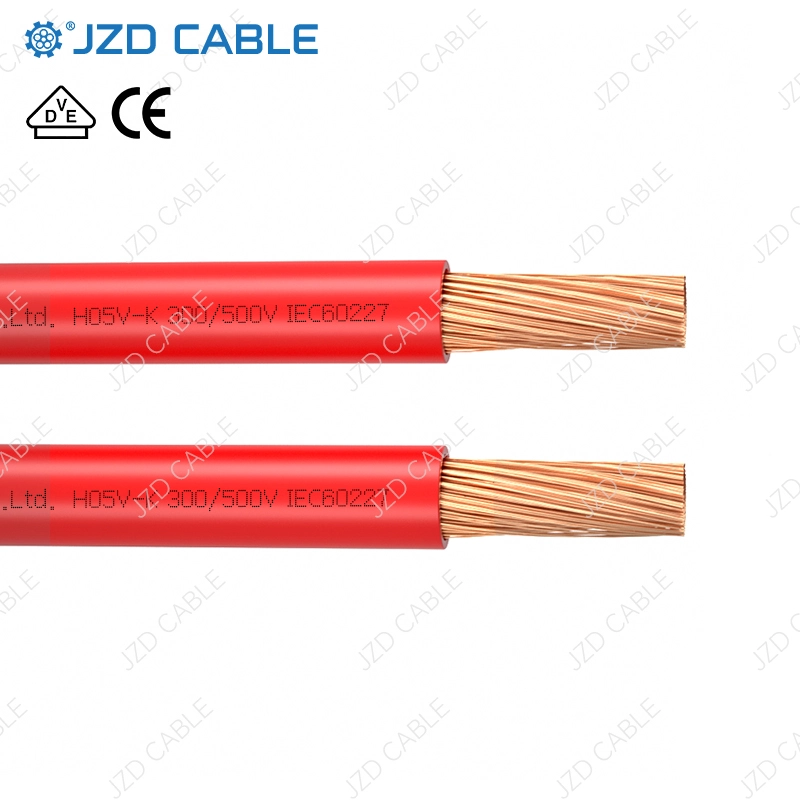


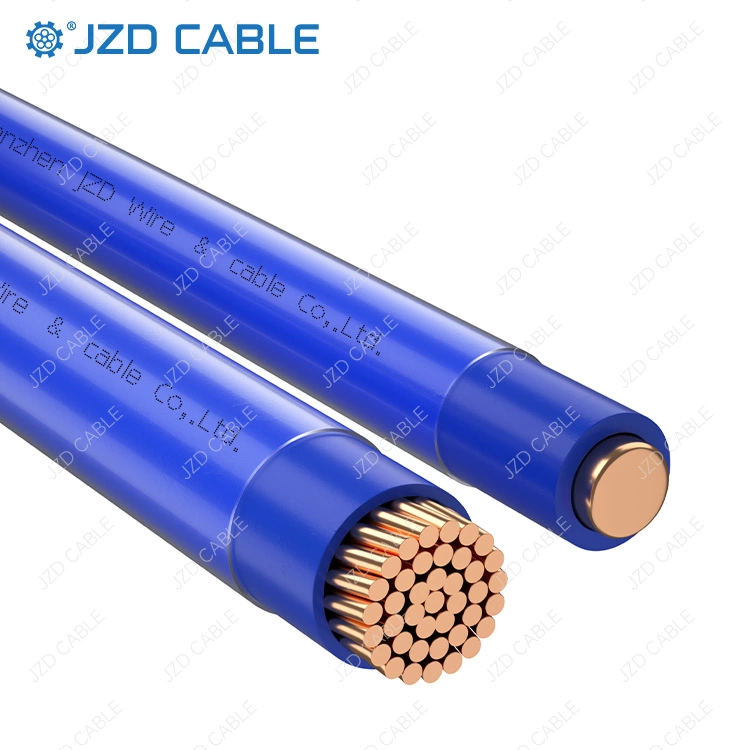
Walk onto any construction site, from a high-rise foundation to a commercial fit-out, and you’re likely to see coils of THHN (Thermoplastic High Heat-resistant Nylon) wire ready for installation. Its ubiquitous presence is no accident. THHN has become the default choice for building electrical systems for powerful, practical reasons that directly address the core demands of safety, efficiency, and cost.
Beyond just meeting code, THHN offers a combination of physical and electrical properties that make it uniquely suited to the challenging environment of a building—from the dusty pull through a conduit to the decades of reliable service that follows. Let’s explore the seven key reasons why THHN wire reigns supreme in construction.
1. Built for the Pull: Superior Physical Design for Installation
The very structure of THHN cable—PVC insulation with a smooth, outer nylon jacket—is engineered for the rigors of construction.
- Easy Pulling: The nylon sheath has an extremely low coefficient of friction. This makes pulling cable through long conduits, vertical risers, and cable trays significantly easier, reducing labor time and strain, even with large-gauge wires.
- Exceptional Durability: The tough nylon jacket provides outstanding resistance to abrasion, crushing, and cuts. This protects the cable during installation when being pulled across edges, through crowded ceiling spaces, or in tight riser shafts.
- Compact Size: For a given ampacity, THHN has a smaller overall diameter compared to many other cable types. This allows for the use of smaller, less expensive conduit and makes routing in dense spaces far more manageable.
2. Run Cooler, Carry More: High-Temperature Rating & Ampacity
THHN’s electrical performance provides direct engineering and economic benefits.
- High-Temp Rating: Standard THHN is rated for 90°C in dry locations. The common dual-rated THHN/THWN-2 version maintains this 90°C rating in both dry andwet locations, offering ultimate versatility.
- Higher Ampacity: This 90°C rating translates directly into a higher allowable ampacity compared to cables rated for only 60°C or 75°C. This means an engineer can often specify a smaller gauge THHN wire to carry the same load as a larger, lower-rated cable, resulting in substantial savings on copper and overall project cost.
3. Built to Last: Resistance to Harsh Building Environments
A building’s interior is not a benign place. THHN withstands common hazards:
- Chemical & Oil Resistance: The nylon jacket is resistant to oils, grease, and many common chemicals found in mechanical rooms, parking garages, and during building maintenance.
- Moisture & Aging: It offers strong resistance to moisture, mildew, and heat aging, making it reliable for long-term use in damp basements, humid ceilings, and unconditioned spaces.
- Mechanical Toughness: Its inherent toughness ensures it holds up to the vibration and minor movement that can occur over a building’s lifetime.
4. A Critical Safety Feature: Compliance with Fire Codes
Electrical safety is paramount, and THHN meets the mark.
- Flame Retardancy: UL-listed THHN typically meets the VW-1 vertical flame test standard. This means the cable is self-extinguishing and resists flame propagation, a critical feature for preventing fire spread within walls and ceilings.
- Code Compliance: This performance satisfies the fire safety wiring requirements of major electrical codes like the NEC (US) and PEC (Philippines), which are mandatory for commercial and residential construction.
- Low-Smoke Options: For enhanced safety in air-handling spaces and sensitive areas like data centers, Low Smoke Zero Halogen (LSZH) versions of THHN are readily available.
5. Stable and Reliable: Excellent Electrical Properties
For power distribution, stability is key.
- Optimal Conductor Design: THHN typically uses a stranded copper conductor, offering a perfect balance of flexibility for bending and stiffness for vertical runs in riser shafts.
- Proven Dielectric Strength: With a standard 600V rating, its insulation provides stable, long-term dielectric performance perfectly suited for the vast majority of building power, lighting, and branch circuits.
6. The Language of Electricians: Universal Standardization
Efficiency in construction relies on predictability and clear communication.
- Standardized Color Codes: THHN follows strict, universal color codes (Black, Red, Blue for phases; White/Gray for neutral; Green/Green-Yellow for ground). This allows electricians, inspectors, and maintenance staff to instantly identify circuit functions, ensuring safe and correct terminations every time.
- Comprehensive Sizing System: The AWG/kcmil sizing system covers everything from small-gauge lighting circuits to large feeder cables, allowing a single, understood wire type to be used throughout an entire building’s distribution system.
7. The Bottom Line: Proven Value & Universal Availability
Ultimately, THHN wins because it delivers exceptional performance at a compelling value.
- Cost-Effective: It offers a superior balance of performance and cost, often providing better value than other specialized building wires with similar ratings.
- Unmatched Versatility: It can function as the service entrance cable, vertical riser, branch circuit wire, and mechanical equipment feed. This simplifies procurement, inventory, and installation.
- Global Supply Chain: As the default standard in North America, the Philippines, and many other regions, it is universally available, with a mature and reliable supply chain for any project scale.
Conclusion: The Logical Choice for Construction
From its physical design that eases installation to its electrical properties that optimize design and its safety features that protect occupants, THHN is engineered to meet the multifaceted demands of modern construction. It is not merely a product that meets code; it is a product that makes the entire process of building safer, more efficient, and more economical.
For your next building project, specify the wire that has proven itself on countless job sites worldwide. At JZD Cable, we manufacture high-quality, code-compliant THHN/THWN-2 cable for every stage of your electrical system. Contact us today to discuss your project needs and experience the difference that a truly optimized building wire can make.