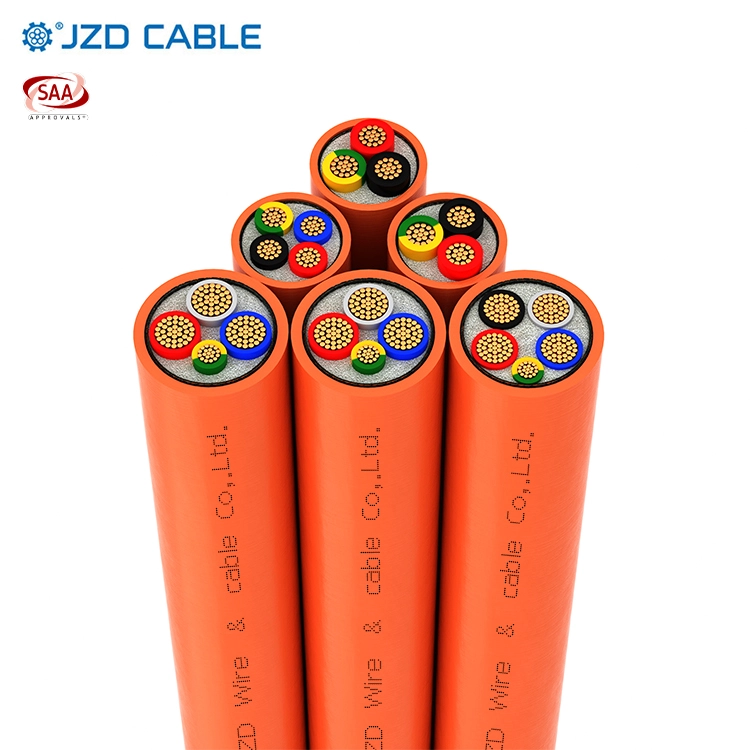


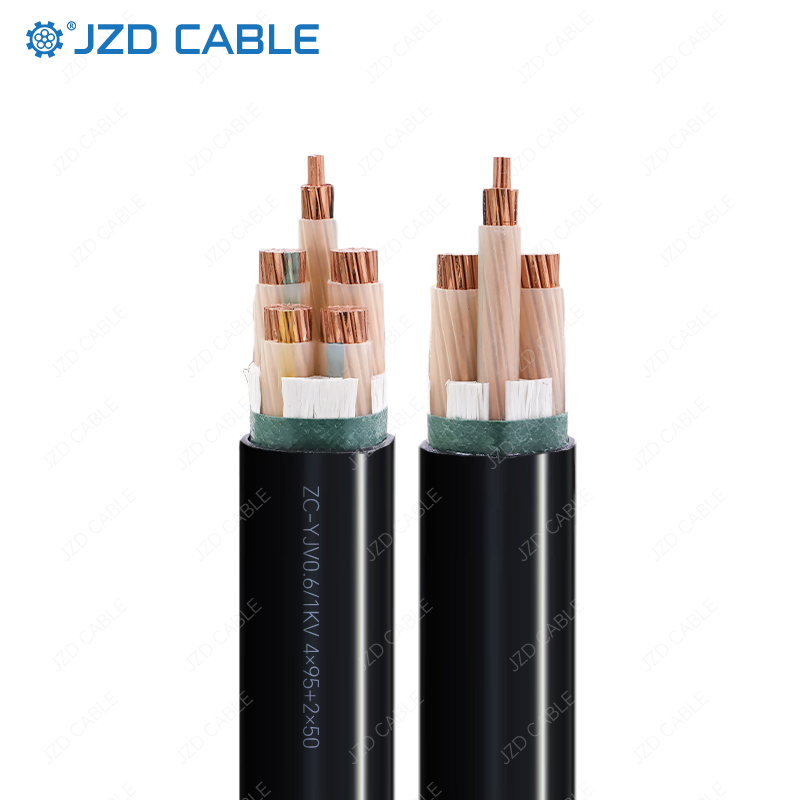
A common and dangerous misconception in electrical safety is the belief that “flame retardant cables” can prevent a fire from starting. This confusion can lead to improper cable selection and inadequate safety planning. The truth is more nuanced and critical: Flame retardant cables cannot stop a fire from occurring, but they are absolutely vital in stopping the fire from spreading along the cable runs, saving lives and protecting critical assets.
At JZD Cable, we prioritize clarity in cable specifications to ensure your projects are safe, compliant, and reliable. Let’s demystify the real function and value of flame retardant cables.
The Core Function: Containing the Blaze, Not Preventing the Spark
The fundamental purpose of a flame retardant cable is fire propagation control. Through specialized material compounds and additives (like flame retardants), these cables are designed to resist ignition and, more importantly, to self-extinguish or significantly delay flame spread once the external fire source is removed.
Think of it as a firebreak within your cable tray. In a fire, ordinary cables can act as fuses, carrying flames rapidly throughout a building. Flame retardant cables interrupt this “fuel highway.” They char and form a protective layer that insulates the core and stops the combustion chain reaction, thereby containing the fire and preventing it from escalating to other areas.
Where Are Flame Retardant Cables Essential?
These cables are a cornerstone of passive fire protection in environments where evacuation and firefighting are challenging, or where asset protection is paramount:
- High-Rise Buildings: To prevent vertical fire spread through risers and shafts.
- Mass Transit Systems: Subways, tunnels, and railways for passenger safety.
- Data Centers & Telecom Hubs: To protect critical infrastructure and minimize business interruption.
- Industrial Plants & Power Stations: Where cable density is high and fire risk is present.
Important Note: For specialized environments like offshore solar (PV) installations, general PV cables (e.g., H1Z2Z2-K) are insufficient. These require cables with enhanced properties like saltwater resistance, UV protection, and anti-fungal treatment, in addition to flame retardancy, for long-term durability.
Key Performance Characteristics: Beyond Just Flames
Modern flame retardant cables offer enhanced safety features:
- Low Smoke Zero Halogen (LSZH/LSHF): When exposed to fire, these cables emit very low levels of corrosive/toxic halogens and significantly reduced smoke density. This improves visibility for escape and reduces harm to both people and sensitive equipment.
- Trade-offs to Note: To achieve flame retardancy, some mechanical or electrical properties (like flexibility or current rating) might be slightly different from standard cables. Always consult specifications.
Flame Retardant vs. Fire Resistant: A Critical Distinction
This is a crucial differentiator in safety design:
- Flame Retardant (FR): Focuses on “preventing the spread of fire.” Its goal is to protect the surrounding area and equipment by not contributing to the fire load.
- Fire Resistant (FR/FRLS): Focuses on “maintaining circuit integrity duringa fire.” These cables are designed to continue functioning for a specified time (e.g., 90, 120 minutes) under direct flame and high temperature, ensuring emergency systems like alarms, lighting, and pumps remain operational.
In summary: One (
Flame Retardant) helps stop the fire from traveling; the other (Fire Resistant) helps keep critical systems running in the fire.Conclusion: Your Key Line of Defense
While a flame retardant cable will not stop a fire from starting, it serves as a vital defensive barrier. It is engineered to halt the rapid propagation of flames along cable lines, buying crucial time for evacuation, limiting property damage, and allowing fire suppression systems to act. It is a fundamental component of a comprehensive life and asset safety strategy.
Choose the right defense for your application. For projects requiring cables that can withstand specific environmental challenges like offshore conditions, or for designing a robust fire safety system with the correct cable types, expert guidance is key.
Ensure your project’s safety infrastructure is built on a solid foundation. Contact JZD Cable today to discuss your specific flame retardant and fire-resistant cable requirements for a safer, more reliable installation.