

Tired of the time-consuming and costly process of pulling single-conductor wires through conduit for your factory’s cable trays? There’s a smarter, more efficient solution engineered specifically for modern industrial environments: Tray Cable (TC).
At JZD Cable, we specialize in manufacturing high-performance industrial cables that meet rigorous global standards. In this guide, we’ll break down everything you need to know about Tray Cable—its definition, unique features, and why it’s revolutionizing wiring in automation, energy, and manufacturing.
What is Tray Cable?
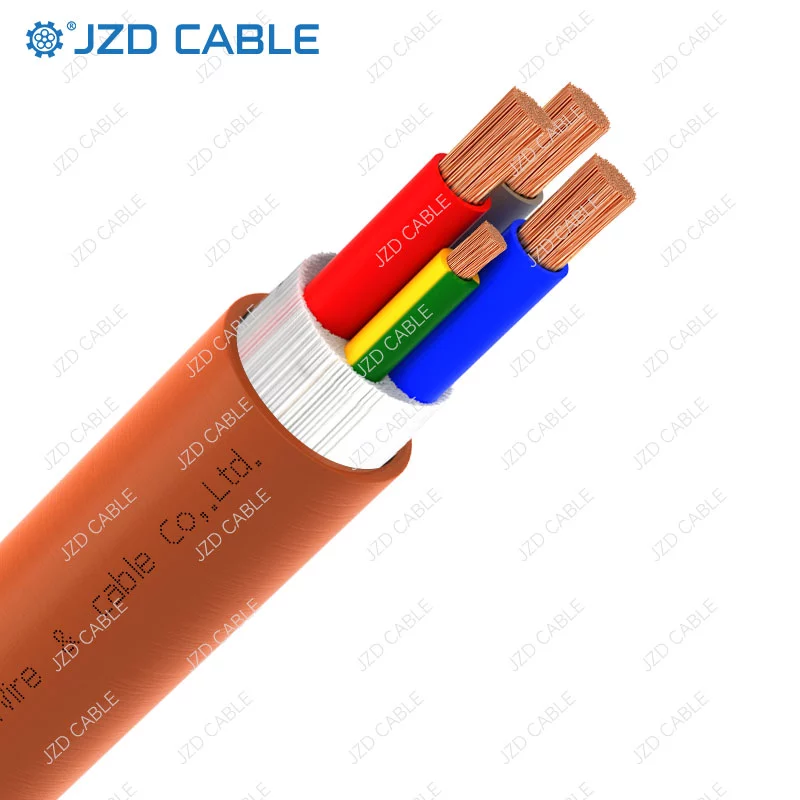
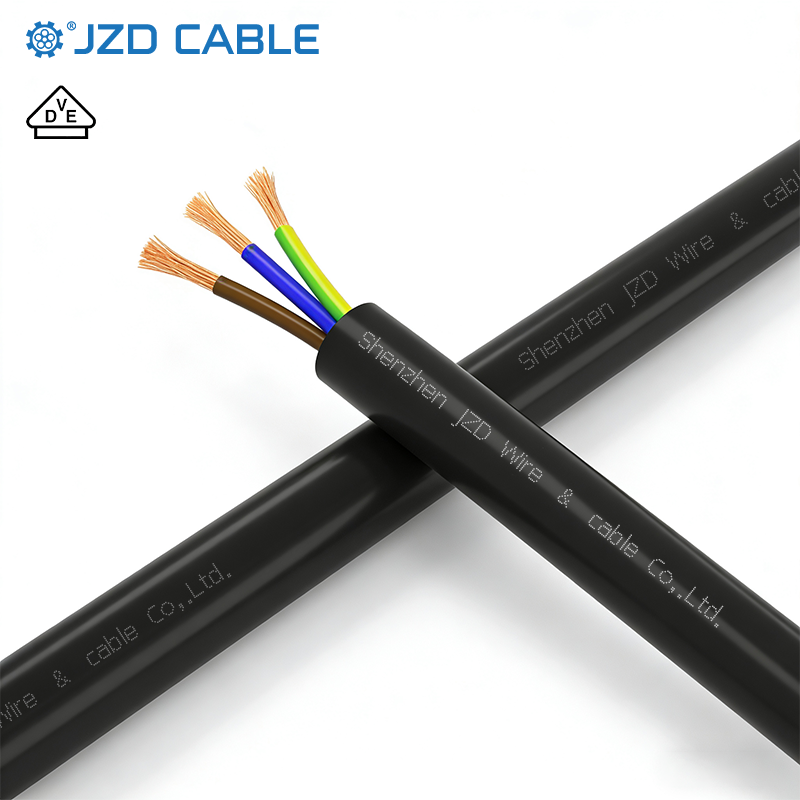
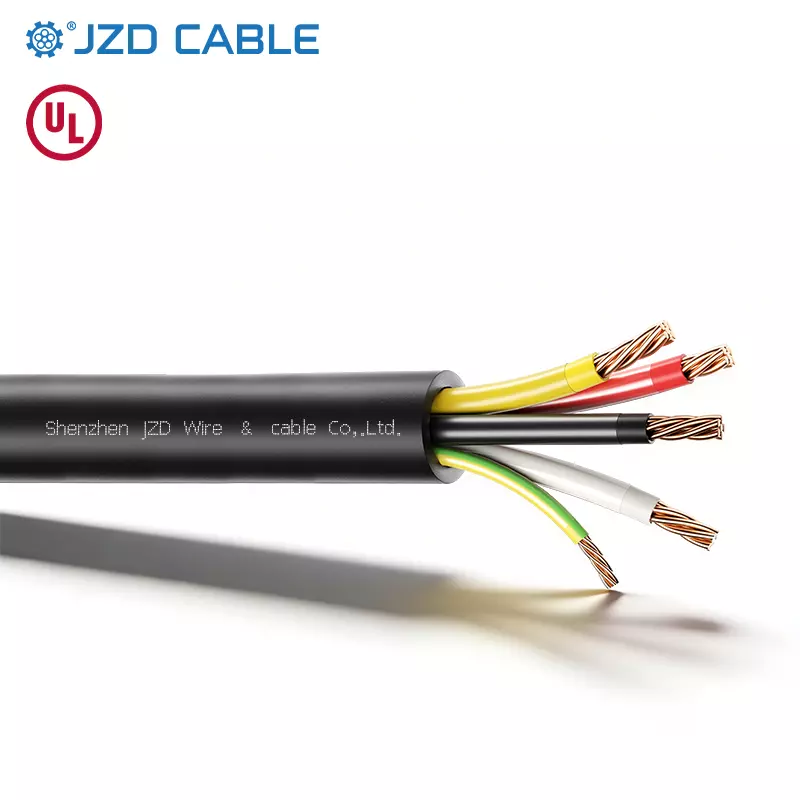
According to the U.S. National Electrical Code (NEC) and UL 1277 standard, a Tray Cable is a factory-assembled, multi-conductor cable (two or more insulated conductors, with or without a grounding conductor) enclosed in a non-metallic overall jacket.
Its core advantage is its approved installation method: TC cables are rated for direct installation in cable trays, raceways, and channels. Certain types, like TC-ER (Exposed Run), are even permitted for short, exposed runs (up to 1.8m / 6 ft) from the tray to connected equipment without requiring additional conduit. This approval extends to outdoor, sunlight-resistant, and direct-burial applications, offering unparalleled flexibility.
How is Tray Cable Different? Key Structure & Features
Unlike bundling individual THHN or MTW wires, TC cable is an integrated, robust system designed for the demanding conditions of a cable tray.
1. Rugged, Multi-Layer Construction:
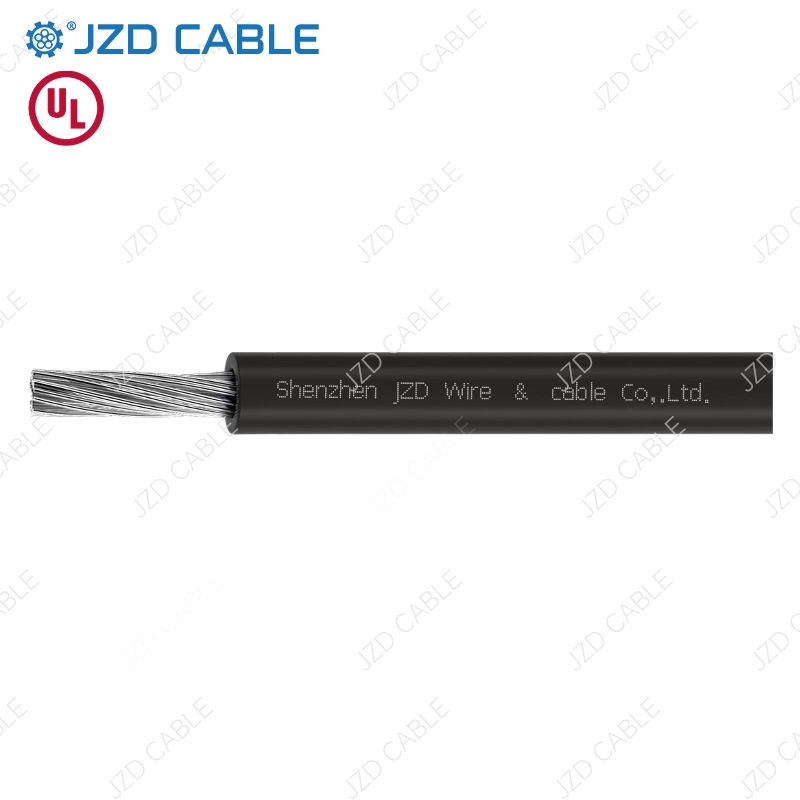
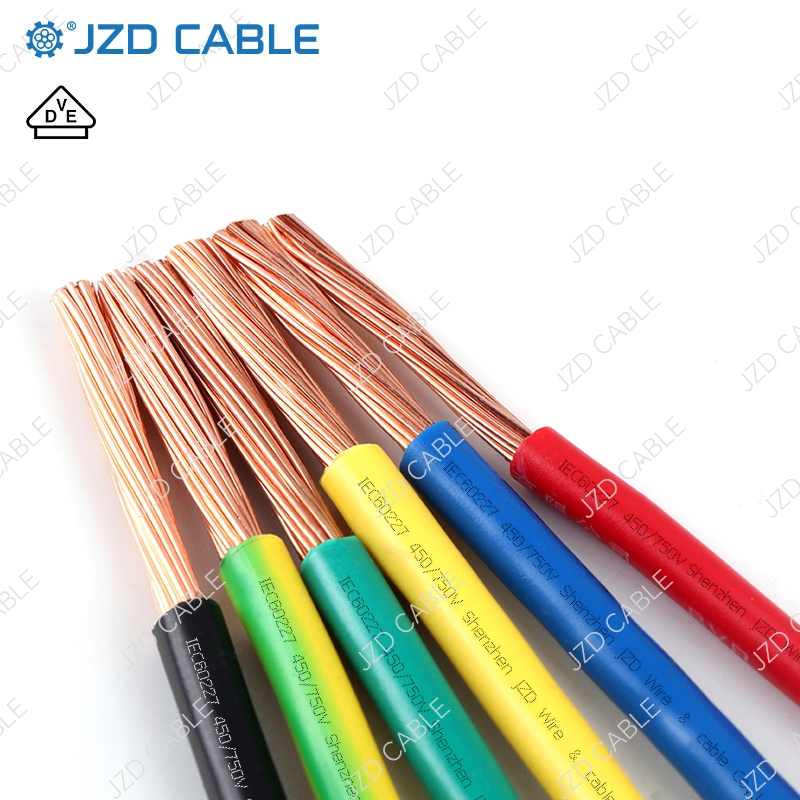
- Conductor: Stranded soft copper (typically Class B/K), making it flexible for bends and tray movement.
- Insulation: Flame-retardant materials like XLPE, PVC, or EPR. Rated for temperatures up to 90°C (194°F) and as low as -40°C for cold environments.
- Overall Jacket: The key differentiator. A single, tough jacket encapsulates all conductors. It is formulated to be flame-retardant, oil-resistant, UV-resistant, and tear-proof.
- Options: Available with armor (TC-ER-A), shielding (for EMI protection), and Low-Smoke Zero-Halogen (LSZH) compounds for indoor air quality concerns.
2. Mandatory Performance Qualities:
For a cable to be certified as TC, it must pass critical tests ensuring safety and durability:
- Flame Resistance: Complies with UL 1277 vertical-tray flame test and VW-1 standards, preventing flame propagation and featuring low smoke emission.
- Environmental Durability: Resistant to sunlight, oil, chemicals, moisture, and water.
- Mechanical Strength: Built to withstand crushing, abrasion, vibration, and the physical stress of dense tray packing.
- Common Voltage Rating: 600V (also available in 300V & 1000V), suitable for most industrial power and control circuits.
The Game-Changer: TC-ER for Exposed Runs
The TC-ER rating is a major cost and labor-saving feature. It allows the cable to exit the protective tray and run exposed to connect to a motor, control panel, or robot—without conduit—for a distance up to 1.8 meters. This eliminates the need for separate wire and conduit at drop points, dramatically simplifying installation and maintenance.
Where to Use Tray Cable: Top Applications
Tray Cable is the go-to choice for organized, safe, and efficient power distribution in:
- Industrial Facilities: Manufacturing plants, automotive shops, and assembly lines.
- Automation & Robotics: Machine tools, robotic arms, and material handling systems.
- Energy Infrastructure: Solar (PV) farms, wind turbine control, substations, and data center overhead cable trays.
- Harsh Environment Facilities: Chemical, food & beverage, paper, and metallurgy plants where resistance to oil and chemicals is critical.
- Warehousing & Logistics: Power and control for conveyor systems and automated storage/retrieval systems (ASRS).
Conclusion: Streamline Your Project with the Right TC Cable
Tray Cable represents a modern, efficient approach to industrial wiring. By choosing a certified TC or TC-ER cable, you consolidate materials, reduce installation time and cost, and gain a wiring system engineered for safety, durability, and flexibility.
Looking for reliable Tray Cable solutions?
At JZD Cable, we engineer and supply high-quality TC cables that meet international standards, including the NEC/UL specifications discussed. Whether you need standard TC, TC-ER, or specialized versions with armor or LSZH jackets, we can provide the optimal cable for your tray application. Contact our team today to discuss your project requirements and request a quote.