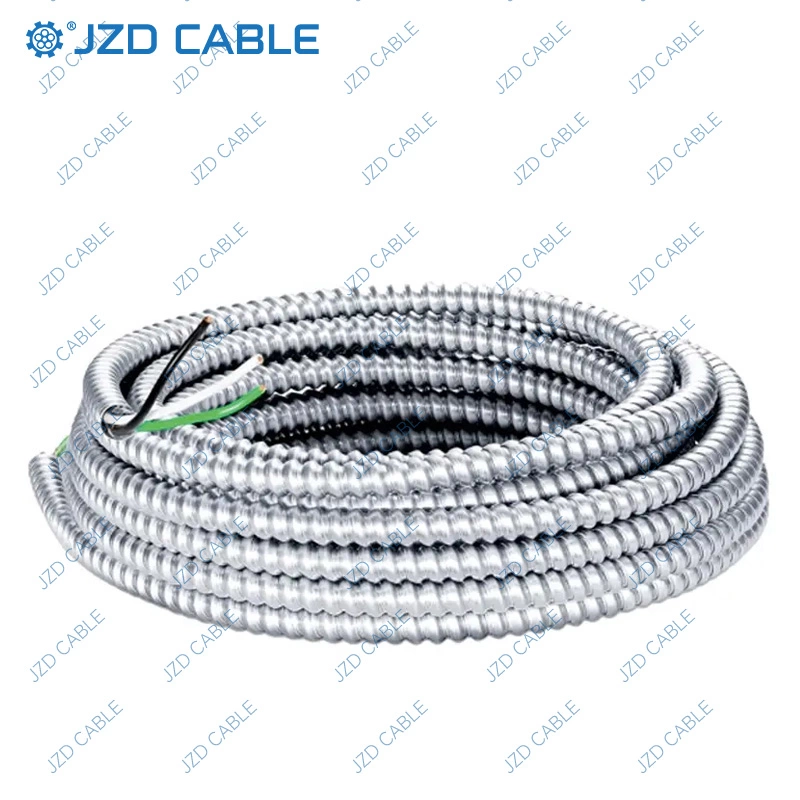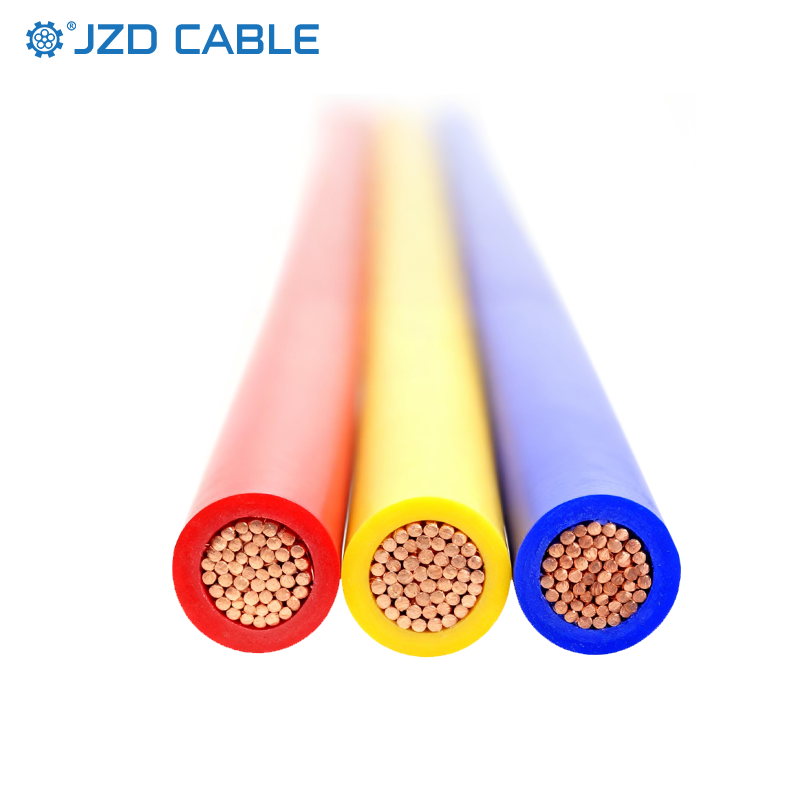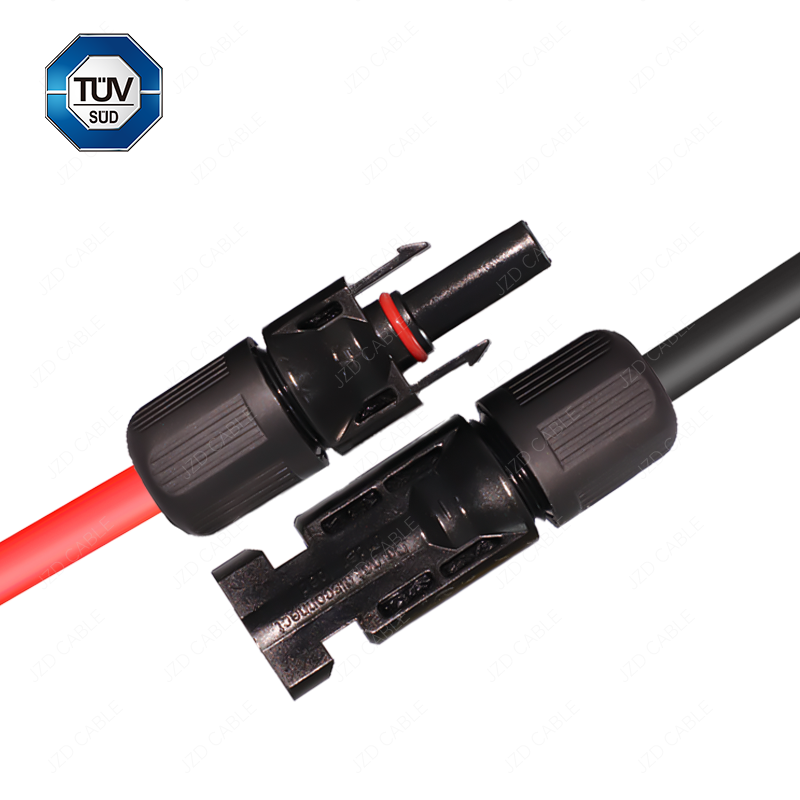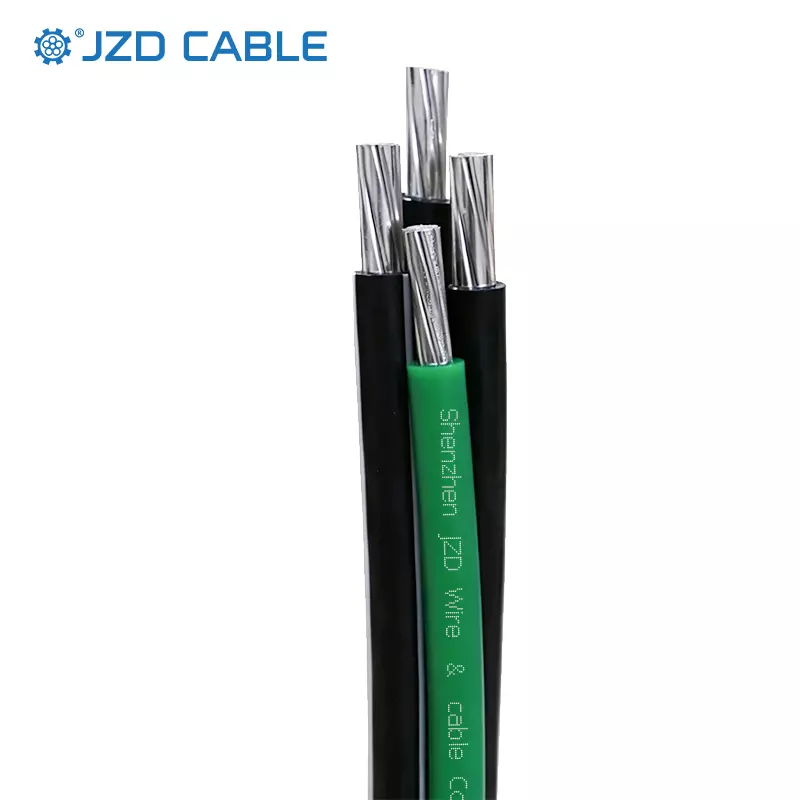


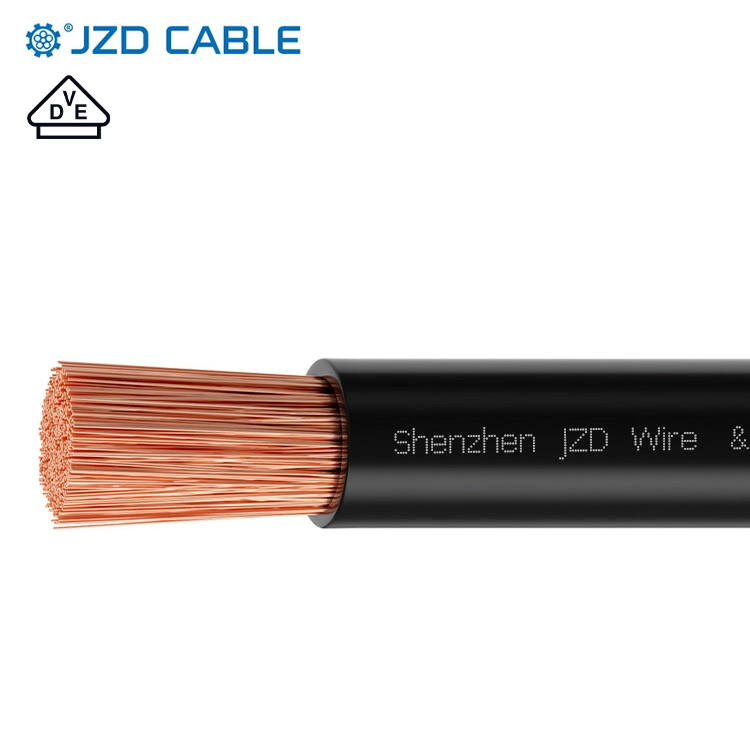
Between the cost-effectiveness of PVC and the extreme temperature performance of silicone lies the rubber battery cable — a rugged, balanced solution designed for the toughest working environments. If your battery system faces constant vibration, oil exposure, dragging, crushing, or outdoor weathering, rubber battery cable is often the optimal choice.
This guide covers everything you need to know: construction, specifications, advantages, limitations, and where rubber cable outperforms both PVC and silicone.
What Is a Rubber Battery Cable?
A rubber battery cable is a high-current DC cable with elastomeric rubber insulation (and often a matching rubber jacket), designed for battery-to-load connections in mechanically demanding environments. Its defining characteristics:
- Multi-strand bare or tinned copper conductor (Class 5/6 soft stranding; some premium variants use ultra-fine strands for added flexibility)
- Rubber insulation — typically natural rubber, nitrile rubber (NBR), chloroprene rubber (CR/Neoprene), or ethylene propylene rubber (EPR)
- Optional rubber outer jacket — same-family material for enhanced abrasion, tear, and crush resistance
Cross-sections typically range from 4 mm² to 120 mm² (AWG 12 to 4/0), with red/black color coding.
Construction & Materials
|
Component
|
Description
|
|---|---|
|
Conductor
|
Multi-strand bare copper or tinned copper (Class 5/6 soft stranding). Some premium variants use ultra-fine strands for improved flexibility and fatigue life.
|
|
Insulation
|
Natural rubber, nitrile rubber (NBR), chloroprene rubber (CR/Neoprene), or ethylene propylene rubber (EPR). Provides excellent elasticity, crack resistance, and environmental sealing.
|
|
Jacket (optional)
|
Same rubber compound as insulation, forming a dual-layer structure for heavy-duty mechanical protection (abrasion, tearing, crushing). Essential for dragging and high-traffic routes.
|
Core Electrical & Physical Parameters
|
Parameter
|
Value
|
|---|---|
|
Rated Voltage
|
450/750 V AC / 600 V DC (standard); high-voltage variants up to 1000 V
|
|
Temperature Range
|
Standard rubber: –20°C to +60°C
EPR (ethylene propylene): –40°C to +105°C |
|
Flame Retardancy
|
Most meet IEC 60332-1; chloroprene (Neoprene) grades offer superior self-extinguishing performance
|
|
Bending Radius
|
≥ 4 × cable outer diameter — good elasticity; resists deformation under torsion and pulling
|
|
Mechanical Strength
|
Excellent abrasion, tear, crush, and drag resistance — significantly tougher than PVC and silicone
|
Key Advantages of Rubber Battery Cables
1. Superior Mechanical Toughness
Rubber battery cables are the toughest among the three common types (PVC, silicone, rubber):
- Abrasion resistant — withstands dragging across concrete, gravel, and metal edges
- Tear resistant — resists snagging and cutting in tight installation spaces
- Crush resistant — maintains integrity under clamping, stepping, or vehicle tire contact
- Pull/tension resistant — ideal for mobile equipment where cables are frequently tugged
2. Balanced Temperature Performance
While not matching silicone’s extreme range, rubber cables offer a practical middle ground:
- EPR grades operate from –40°C to +105°C — sufficient for most outdoor and engine-compartment applications
- Chloroprene (Neoprene) retains flexibility in cold and resists softening in moderate heat
- Less prone to cold cracking than PVC and less expensive than silicone for comparable ranges
3. Excellent Oil & Chemical Resistance
- Nitrile rubber (NBR) is specifically formulated for oil resistance — ideal for engine bays, hydraulic systems, and workshop environments
- Chloroprene (CR) resists oils, fuels, ozone, and weathering
- EPR offers good resistance to acids, alkalis, and steam
- Overall, rubber cables outperform PVC in oil-rich environments and match silicone in many chemical exposures
4. Water & Moisture Sealing
Rubber’s dense molecular structure provides excellent moisture barrier properties:
- Suitable for outdoor, damp, and splash-prone environments
- Resists water ingress better than PVC (which can absorb moisture over time)
- Ideal for marine (above-deck), agricultural, and construction site use
5. Moderate Flexibility with High Fatigue Life
Rubber cables strike a balance:
- More flexible than PVC but less than silicone
- Elastic recovery prevents permanent deformation after bending
- Long fatigue life under vibration — suitable for continuous-duty mobile equipment
Limitations to Consider
|
Limitation
|
Detail
|
|---|---|
|
Weight
|
Heavier than PVC and silicone for the same gauge — factor into total harness weight
|
|
Maximum Temperature
|
Cannot match silicone’s 200°C+ capability. Avoid prolonged use above 105°C (even EPR).
|
|
Cost
|
Higher than PVC, roughly comparable to or slightly below standard silicone
|
|
Flexibility vs Silicone
|
Not as supple as silicone in extreme cold (–40°C vs –60°C)
|
Typical Applications
Rubber battery cables excel wherever mechanical abuse, oil exposure, and moderate temperature extremes are present:
|
Sector
|
Specific Applications
|
|---|---|
|
Commercial Vehicles & Trucks
|
Main battery-to-starter cables, alternator output leads, chassis ground straps
|
|
Construction & Agricultural Machinery
|
Excavators, bulldozers, tractors, harvesters — battery connections exposed to dirt, oil, and vibration
|
|
Marine & Boating
|
Above-deck battery wiring, bilge pump power, navigation light circuits (salt-spray resistant with Neoprene)
|
|
Mobile Generators & Welding Sets
|
Battery start cables, DC output leads subject to dragging and rough handling
|
|
Mining & Quarry Equipment
|
Heavy-duty battery connections in abrasive, dusty, and wet conditions
|
|
Forklifts & Material Handling
|
Battery-to-controller cables in vehicles that operate in oily warehouse environments
|
|
RV & Campervan (heavy-duty)
|
Main house battery cables routed through chassis and exposed to road debris
|
|
Industrial Battery Rooms
|
UPS battery interconnect cables in facilities with oil mist or chemical vapors
|
Rubber vs. PVC vs. Silicone Battery Cables – Quick Comparison
|
Feature
|
Rubber Battery Cable
|
PVC Battery Cable
|
Silicone Battery Cable
|
|---|---|---|---|
|
Temperature Range
|
–40°C to +105°C (EPR)
|
–20°C to +105°C
|
–60°C to +200°C
|
|
Flexibility
|
Good (balanced)
|
Moderate (stiff in cold)
|
Extremely soft
|
|
Bending Radius
|
≥ 4× OD
|
≥ 6× OD
|
≥ 3× OD
|
|
Abrasion/Tear Resistance
|
Excellent
|
Good
|
Poor (soft, prone to cuts)
|
|
Oil Resistance
|
Excellent (NBR/CR)
|
Moderate
|
Good
|
|
Water/Moisture Barrier
|
Excellent
|
Good
|
Good
|
|
Flame Rating
|
IEC 60332-1 (CR: superior)
|
VW-1
|
UL94 V-0
|
|
Weight
|
Heaviest
|
Light
|
Light
|
|
Cost
|
Mid-range
|
Lowest
|
2–3× PVC
|
|
Best For
|
Heavy-duty, oil, dragging, outdoor abuse
|
Budget indoor
|
Extreme temp, flex, fire safety
|
Small-Gauge Rubber Battery Cables (≤6 mm² / ≤8 AWG)
Small rubber cables (1.0–6 mm² / 18–8 AWG) are used in auxiliary and control circuits where mechanical toughness matters:
- Truck dashboard and instrument panel wiring (oil mist, vibration)
- Construction equipment sensor and solenoid connections
- Marine navigation light and bilge pump wiring (moisture)
- Agricultural implement control cables (dust, mud, dragging)
- Generator control panel internal wiring
Common sizes: 1.0 mm², 1.5 mm², 2.5 mm², 4 mm², 6 mm².
Large-Gauge Rubber Battery Cables (≥10 mm² / ≥8 AWG)
Large rubber cables (10–120 mm² / 8 AWG–4/0) handle main power paths in heavy equipment:
- Truck/tractor starter motor cables (high current, engine heat, oil)
- Excavator battery positive/negative main leads (vibration, dirt, crushing)
- Marine engine start batteries (salt spray, constant motion)
- Mobile generator battery-to-inverter cables (dragging, outdoor storage)
- Mining vehicle battery interconnects (abrasive dust, water spray)
Their robust jacket and conductor withstand the punishment of daily heavy use.
How to Select the Right Rubber Battery Cable
- Assess mechanical exposure — Will the cable drag on the ground? Be stepped on? Rub against metal edges? If yes, rubber with a heavy jacket is the answer.
- Check oil/chemical presence — Engine bay, hydraulic lines, workshop floor? Choose NBR or CR (Neoprene) for maximum oil resistance.
- Evaluate temperature range — Standard rubber (–20°C to +60°C) is fine for temperate climates. For cold winters or hot engine compartments, upgrade to EPR (–40°C to +105°C).
- Determine flex frequency — Rubber handles occasional flexing well. For continuous flexing (robot arms, drone leads), silicone remains superior.
- Verify flame rating — For enclosed battery compartments, ask for chloroprene (CR) insulation which offers self-extinguishing properties beyond standard rubber.
Frequently Asked Questions
Q: Can rubber battery cable replace PVC cable?
A: Yes, and it will outperform PVC in mechanical toughness, oil resistance, and outdoor longevity. However, rubber is heavier and more expensive. Use rubber where its strengths are needed; PVC remains valid for benign indoor fixed installations.
Q: Is rubber cable suitable for direct burial?
A: Not typically. Rubber battery cable lacks the specific moisture-blocking and mechanical armor required for direct burial. Use RWU90 or USE-2 for underground runs.
Q: What is the best rubber type for oil resistance?
A: Nitrile rubber (NBR) offers the highest oil and fuel resistance. Chloroprene (Neoprene) is also excellent and adds better weather/ozone resistance.
Q: Can rubber battery cable be used in engine compartments?
A: Yes — especially EPR or chloroprene grades rated to 105°C. Ensure the cable is routed away from direct exhaust manifold contact (>150°C), where silicone would be required.
Q: Does rubber cable require special lugs or terminals?
A: No — standard copper ring terminals, battery lugs, and Anderson connectors work. The rubber insulation strips cleanly.
Why Choose JZD Cable for Your Rubber Battery Cable Needs?
At JZD Cable, we manufacture heavy-duty rubber battery cables built for the world’s toughest working conditions:
- Conductor: Bare or tinned copper, Class 5/6 stranding
- Insulation Options: Natural rubber, NBR (nitrile), CR (chloroprene/Neoprene), EPR (ethylene propylene)
- Jacket: Matching rubber compound for dual-layer protection
- Sizes: 4 mm² to 120 mm² (AWG 12 to 4/0)
- Temperature Grades: Standard (–20°C to +60°C) and EPR (–40°C to +105°C)
- Colors: Red, black, yellow, or custom
- Certifications: RoHS, REACH, IEC 60332-1
Whether you need bulk spools for truck fleet maintenance or custom-length assemblies with pre-crimped lugs for mining equipment, we deliver consistent quality and fast turnaround.
Request a quote or technical datasheet today.Visit jzdcable.com or contact our sales team.