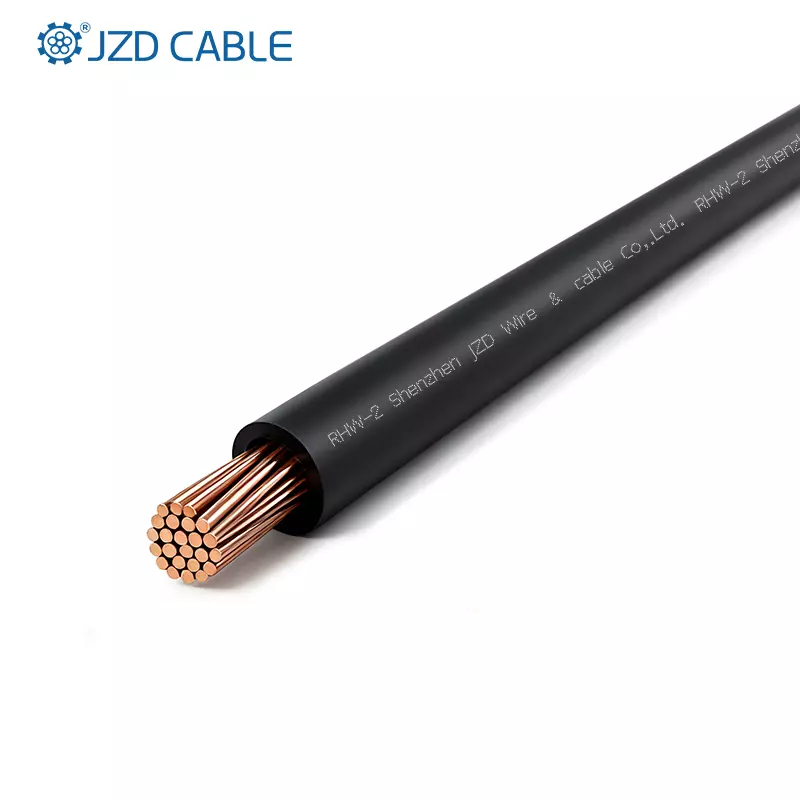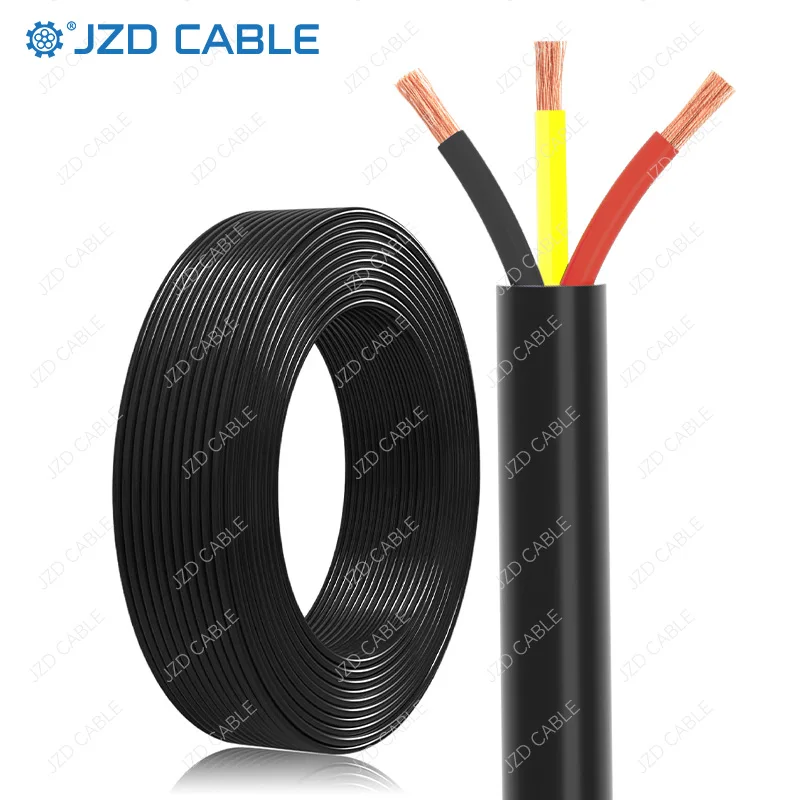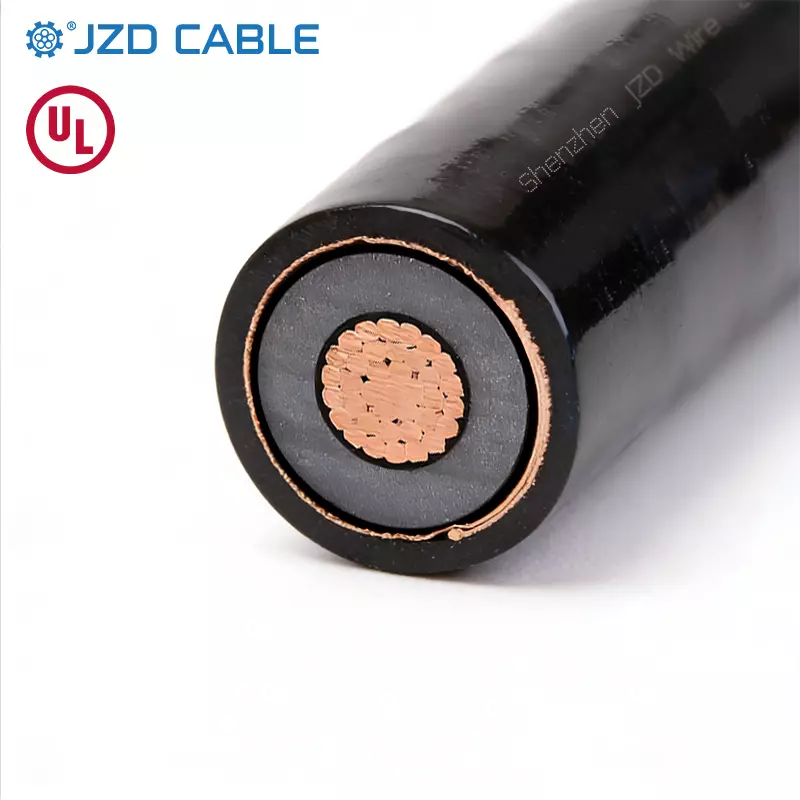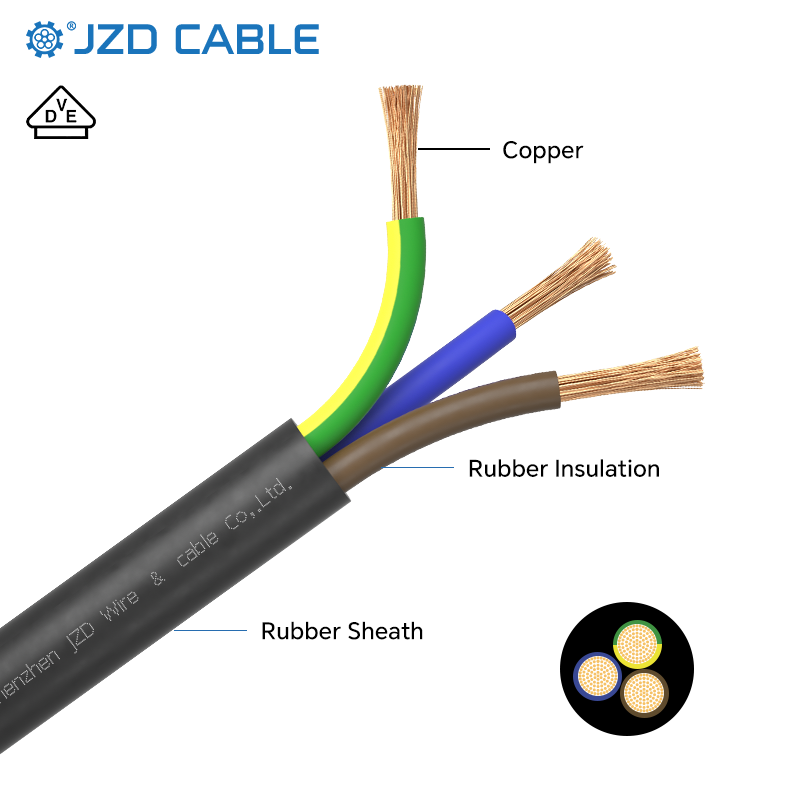



For RV manufacturers, OEM builders, and electrical system integrators, selecting the right RV battery cable is an important part of electrical system design. Battery cables connect battery banks with key components such as inverters, converters, and DC distribution systems, directly affecting power transmission and system performance.
With the increasing use of lithium batteries, solar charging systems, and high-power inverter solutions, RV electrical systems require cables with the right balance of current capacity, conductor size, flexibility, and durability.
Why RV Battery Cable Selection Matters
Unlike fixed electrical installations, RV electrical systems operate under continuous movement and vibration. Cables installed in RVs must handle high current loads while working in limited spaces and changing environments.
Using an undersized RV battery wire may result in:
- Excessive voltage drop
- Increased cable heating
- Reduced inverter performance
- Unstable operation of electrical equipment
RV batteries and cables directly affect power transfer efficiency. Selecting the correct cable construction for each application helps improve the overall reliability of the RV electrical system.
How to Choose the Correct RV Battery Cable Size
Selecting the right RV battery cable size mainly depends on current load, cable length, and voltage drop.
1. Current Load
Battery cables must safely handle the maximum current required by the RV system.
Common high-current applications include:
- Battery banks
- DC distribution panels
- Converters
- RV inverter systems
- Solar energy storage systems
2. Cable Length and Voltage Drop
Cable length directly affects resistance and voltage drop.
Long cable runs require larger conductors to maintain stable voltage, especially in 12V RV systems.
This is especially important for:
- RV inverter cable connections
- Lithium battery systems
- High-power DC equipment
Choosing the correct cable size helps ensure electrical components receive stable power during operation.
3. RV Battery Cable Size Guide (AWG)
Most RV battery cables in North America use AWG (American Wire Gauge) sizing.
The basic rule:
- Lower AWG number = larger conductor
- Larger conductor = higher current capacity
| RV Application | Recommended Cable Size |
| Small RV systems and basic DC loads | 8 AWG–6 AWG |
| Medium battery banks and converter connections | 6 AWG–4 AWG |
| High-power inverter and lithium battery systems | 2 AWG–1/0 AWG |
The final cable selection should consider current requirements, cable length, voltage drop limits, and installation conditions.
What RV Manufacturers Should Consider When Selecting Cable
For OEM RV production, cable selection involves more than just electrical specifications.
1. Conductor Material
Flexible copper cable is commonly used for RV battery applications because of its excellent conductivity and flexibility.
Compared with aluminum conductors, copper provides:
- Lower electrical resistance
- Smaller conductor size for the same current capacity
- Easier installation in compact RV layouts
2. Flexible Construction
RV cables are exposed to vibration and movement during operation. Stranded conductors provide better flexibility and reduce mechanical stress during installation.
3. Insulation and Temperature Rating
RV cables should provide protection against:
- Heat exposure
- Moisture
- Abrasion
- Environmental conditions
Selecting suitable insulation materials and temperature ratings helps maintain cable performance in different RV environments.
Choosing the Right Cable for Different RV Applications
A complete RV electrical system requires different cable types depending on the installation location and working conditions.
1. Battery and Inverter Connections: RV Battery Cable
Battery cables are mainly used for high-current connections between:
- Battery banks
- Inverters
- Converters
- DC distribution systems
For these applications, cable size and current capacity are the most important considerations.
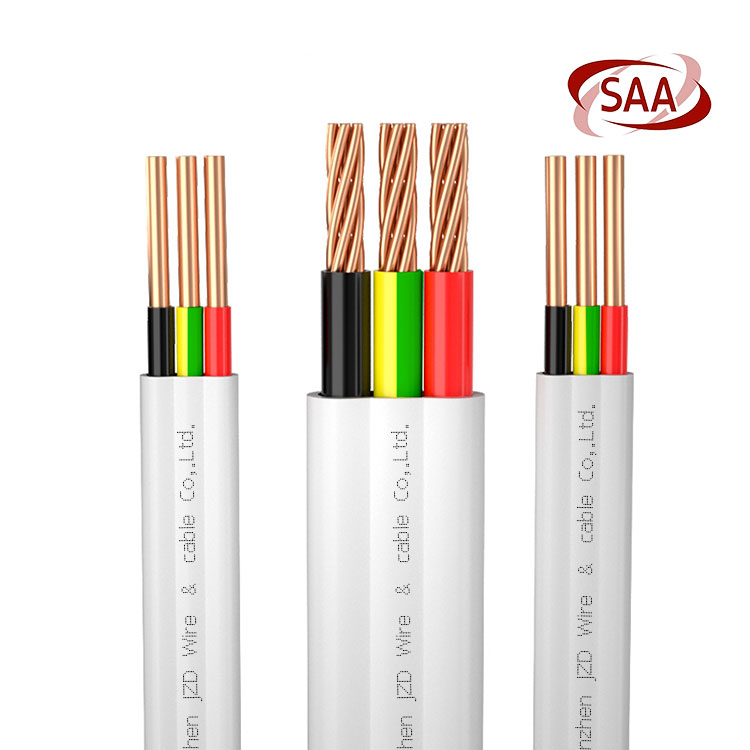
2. Internal RV Wiring: SAA TPS Flat Cable
While battery cables handle high-current connections, RV internal circuits require cables designed for fixed installation.
The SAA TPS Flat Cable is suitable for:
- RV internal electrical wiring
- Switchgear and distribution box connections
- Wall and floor routing
- Fixed connections between electrical components
Designed according to AS/NZS 5000.2:2006, this TPS flat cable features copper conductors, a 450/750V voltage rating, V-90 PVC insulation, and a 3V-90 PVC sheath.
Its flat construction helps simplify installation in compact RV spaces, making it suitable for caravan and RV electrical systems in Australia and New Zealand markets.
3. Flexible RV Power Connections: SJOOW Cable
Some RV applications require cables that can withstand repeated movement and outdoor conditions.
The SJOOW cable is commonly used for:
- Portable RV power equipment
- Battery charger connections
- External electrical connections
- Flexible connections between RV components
Manufactured according to UL 62, SJOOW cable features flexible stranded copper conductors and provides oil-resistant and weather-resistant performance.
Compared with fixed wiring cables, SJOOW offers greater flexibility for applications where cables may be frequently moved or exposed to mechanical stress.
RV Battery Cable vs Standard Electrical Wire
Using the correct cable construction is important for mobile electrical systems.
| Feature | RV Battery Cable | Standard Electrical Wire |
| Conductor | Flexible stranded copper | Usually designed for fixed wiring |
| Flexibility | Suitable for movement and tight routing | Limited flexibility |
| Vibration Resistance | Designed for mobile applications | Not intended for continuous vibration |
| Typical Use | Batteries, inverters, DC systems | Building electrical installations |
Standard electrical wire is not designed for high-current RV applications. Purpose-built battery cables provide the flexibility and durability required for RV power systems.
Conclusion
Selecting the correct RV battery cable size requires balancing current capacity, cable length, voltage drop, conductor material, and installation requirements.
Small RV systems commonly use 8 AWG or 6 AWG battery cables, while RVs equipped with lithium batteries, solar systems, and high-power inverters often require 2 AWG, 1/0 AWG, or larger cables.
Contact us today to get professional RV cable recommendations and find the right cable solutions for battery connections, internal wiring, and flexible power applications.