


The Australian prefab home industry is moving toward a more factory-based manufacturing model, with governments and builders increasingly supporting modern methods of construction, including prefabricated and modular housing.
As more building components are completed before reaching the site, electrical systems are becoming an integrated part of the prefab manufacturing process rather than a final installation step.
For prefab home manufacturers, cable selection directly affects production consistency, installation efficiency, and long-term reliability. A cable partner must understand not only electrical performance but also Australian standards, building conditions, and the requirements of modular construction.
Why Australian Prefab Homes Have Unique Cable Requirements
Australian prefab homes are developed for a wide range of applications, including residential projects, remote housing, modular accommodation, and prefab container homes.
Unlike some markets where modular buildings are mainly produced for temporary use, Australian prefab homes often require the same level of electrical reliability and long-term performance as traditional residential buildings.
This creates specific requirements for cable selection.
1. Factory Manufacturing Changes the Role of Electrical Cables
In conventional residential construction, electrical installation is usually completed after the main building structure is already established. Electricians can adjust cable routing according to actual site conditions.
Prefab home manufacturing works differently.
Electrical systems are often installed while modules are still being produced in the factory. Cable routes, connection points, and installation methods need to be planned before the building reaches the final site.
For manufacturers producing multiple prefab homes, this means cable selection affects production repeatability.
A suitable cable solution helps manufacturers create a consistent installation process instead of relying on individual adjustments for each project.
This is where cable selection becomes part of manufacturing efficiency.
2. Australian Climate Conditions Influence Prefab Home Cable Selection
One reason Australian prefab homes require specialized cable consideration is the diversity of local environments.
Prefab homes may be installed in coastal areas where moisture and salt exposure affect electrical components. They may also be used in northern regions where high temperatures and strong sunlight create additional demands on cable materials.
Remote modular projects create another consideration. When buildings are transported long distances and installed in locations with limited access to maintenance services, electrical reliability becomes even more important.
For prefab home manufacturers, cable selection must consider the complete operating environment, from factory production to long-term building use.
Australian Standards Shape Prefab Home Cable Requirements
Australian prefab home manufacturers must consider local electrical requirements throughout the design and production process.
Electrical systems in Australian residential and modular buildings are generally designed around the AS/NZS wiring framework, including installation requirements covered by AS/NZS 3000 Wiring Rules and cable requirements such as AS/NZS 5000.2 for fixed wiring applications.
For prefab manufacturers, using cables designed according to Australian requirements provides advantages beyond compliance.
It helps create a more controlled production process by ensuring that electrical components are suitable before modules leave the factory.
A cable solution that matches Australian standards can help reduce unnecessary adjustments during installation, support project approvals, and improve consistency across repeated prefab home projects.
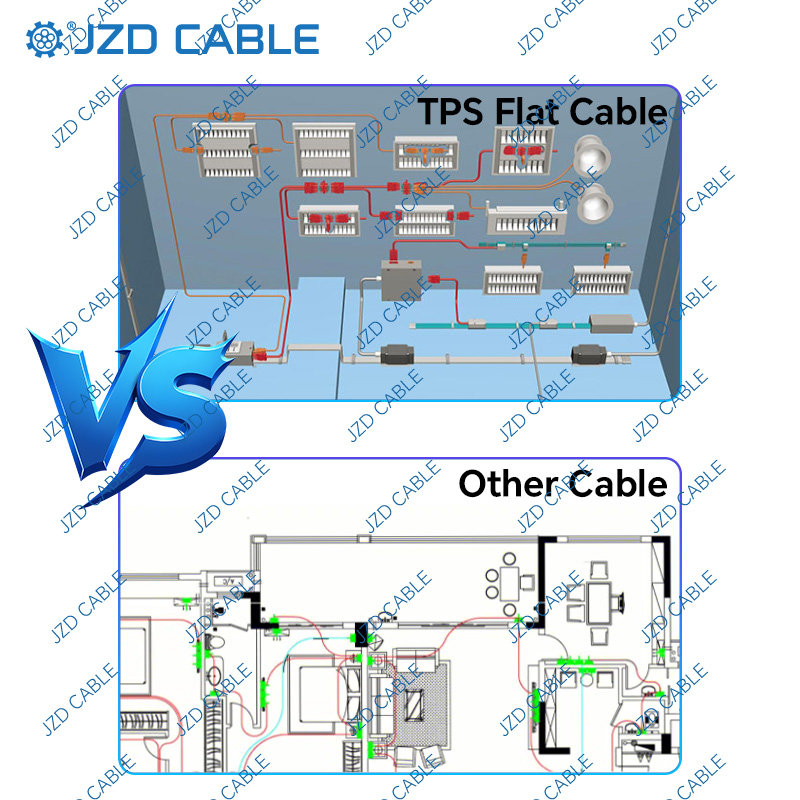
Cable Solutions for Different Stages of Prefab Home Manufacturing
The electrical requirements of a prefab home change throughout the manufacturing and installation process.
| Stage | Cable Requirement | JZD Solution |
| Factory wiring | Fixed installation, standardized routing, compliance with Australian standards | SAA TPS Flat Cable |
| Transportation & site installation | Flexible, portable power for tools and temporary systems | H05VV-F (Ordinary Duty Cable) |
| Permanent connection | Final fixed wiring to mains supply | SAA TPS Flat Cable |
Factory-Integrated Wiring: SAA TPS Flat Cable for Australian Prefab Homes
For many Australian prefab home manufacturers, electrical installation is completed before modules are transported to the construction site. This creates a different requirement compared with traditional on-site wiring. The cable needs to support factory production methods where multiple units may be manufactured using the same design.
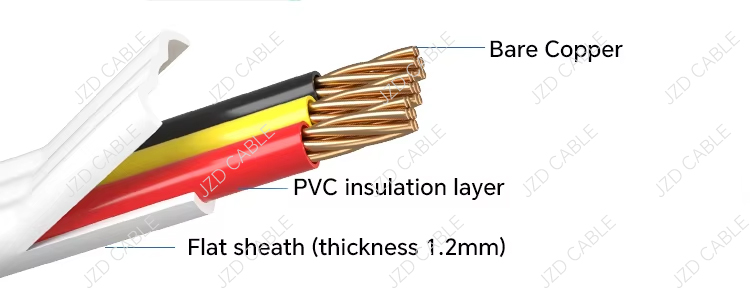
SAA TPS Flat Cable is designed for Australian residential wiring applications and manufactured according to AS/NZS 5000.2 requirements. Its flat construction supports efficient installation inside residential structures, making it suitable for applications where cable routing needs to remain consistent across repeated prefab home designs.
For manufacturers, the value of TPS Flat Cable is not only its electrical performance. It helps establish a standardized wiring approach that supports factory efficiency and reduces installation variation between different modules. In a prefab production environment, consistency is critical. A cable solution that fits the manufacturing process helps builders maintain quality while increasing production capacity.
Flexible Power Applications for Prefab Container Homes: H05VV-F
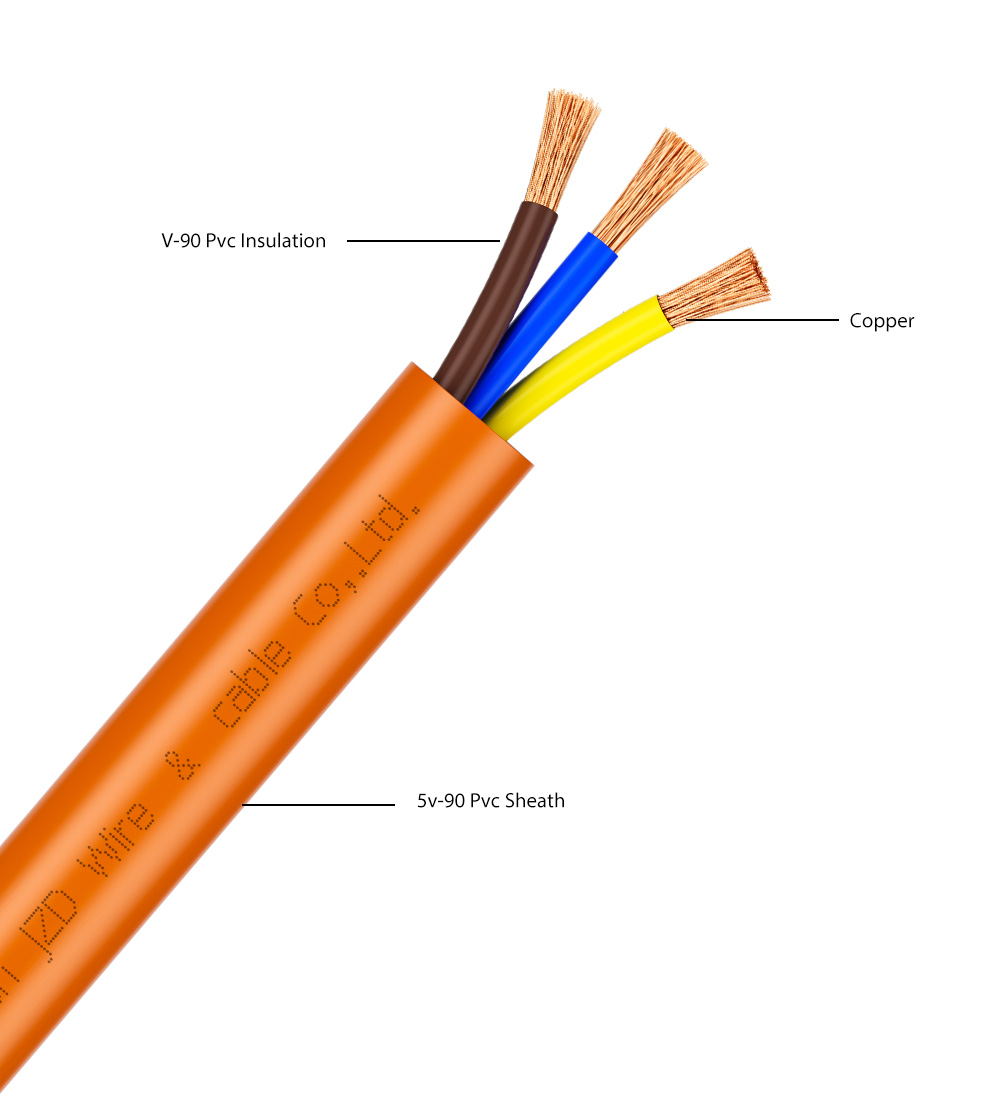
Prefab container homes and modular buildings often require flexible electrical solutions during transportation, installation, and commissioning. Before permanent electrical systems are fully completed, construction teams may need temporary power for tools, lighting, and installation equipment. This requires a cable designed for repeated movement rather than fixed building installation.
H05VV-F (Ordinary Duty Cable) is designed for flexible power applications where cables are frequently handled, connected, and relocated. For prefab home kits, container homes, and modular building projects, portable power capability is an important part of ensuring smooth installation after modules arrive on-site.
Why Prefab Home Manufacturers Need a Specialized Cable Partner
For prefab home manufacturers, selecting a cable supplier is not simply a product purchasing decision. A suitable cable partner needs to understand how electrical systems fit into the entire modular building process. This includes understanding: factory production requirements, Australian electrical standards, transportation conditions, installation environments, and long-term building operation. A supplier with this knowledge can provide more than cable products. It can support manufacturers in selecting solutions that improve production consistency and reduce risks during project delivery. For modular builders, the right cable partner becomes part of the wider supply chain supporting reliable prefab home production.
JZD Cable Solutions for Australian Prefab Home Projects
For Australian prefab home manufacturers, selecting the right cable partner means working with a supplier that understands both product requirements and the demands of modular construction. With over 25 years of experience in the cable industry, JZD brings the technical expertise and manufacturing capability that modular builders can rely on.
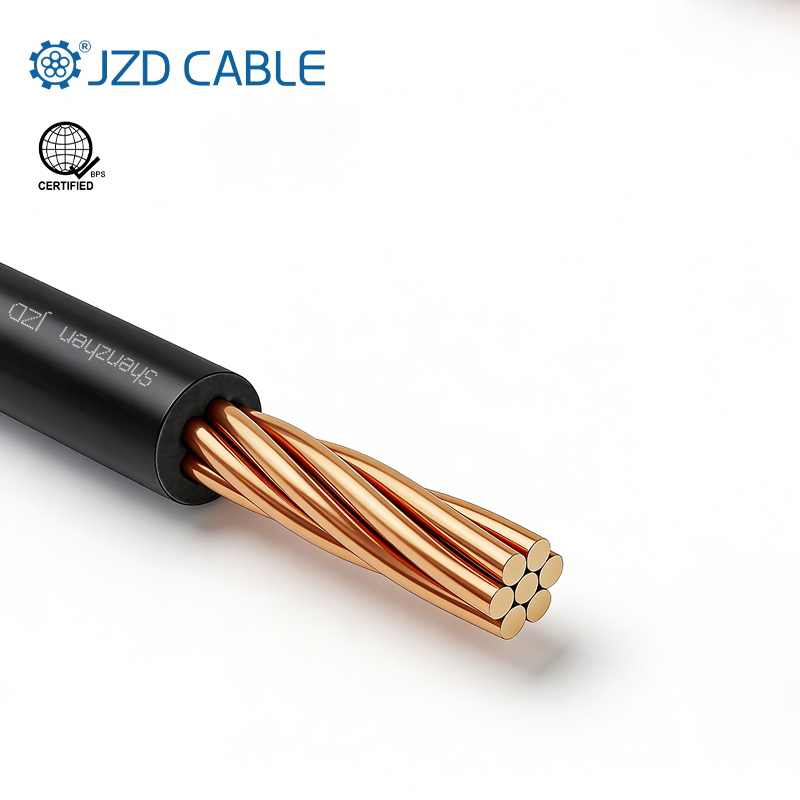
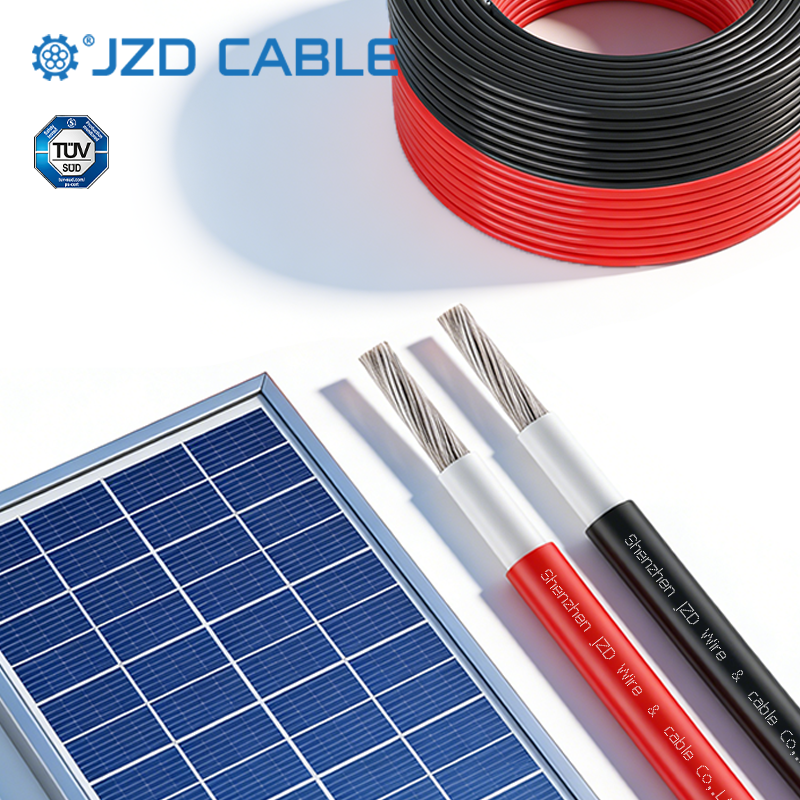
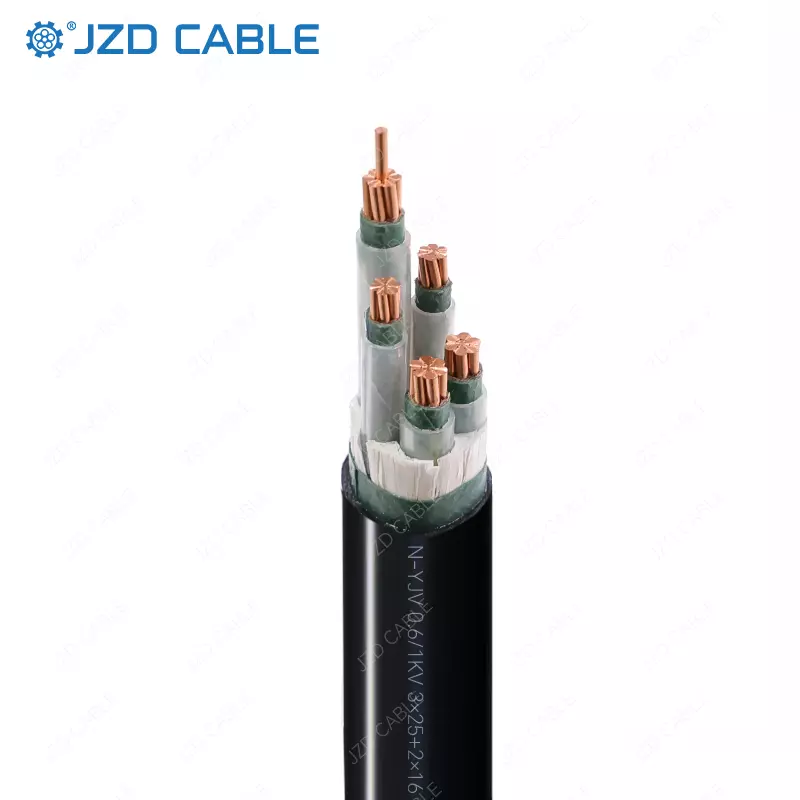
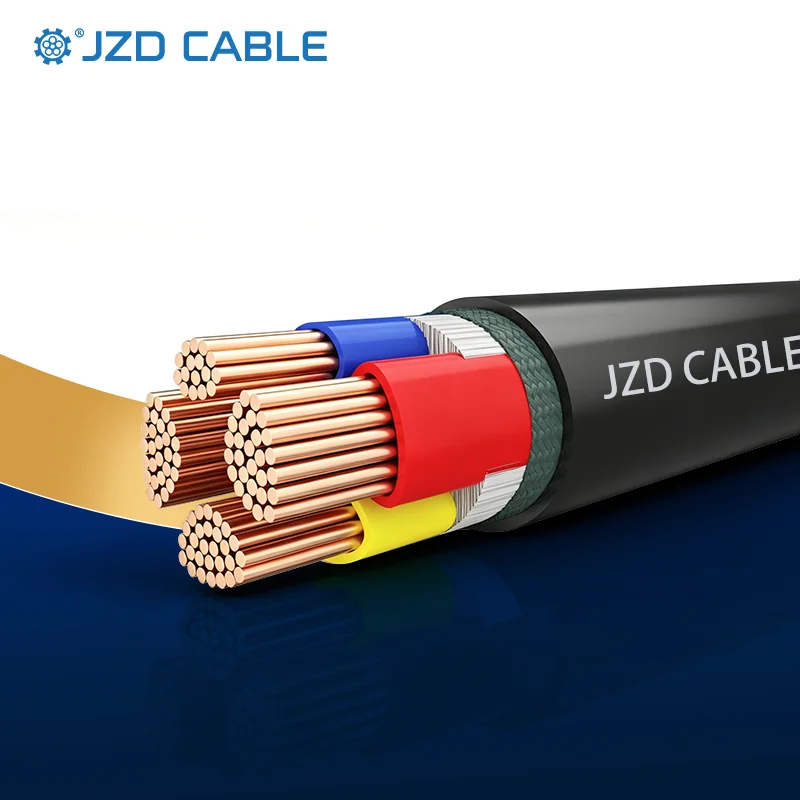
JZD provides cable solutions designed for different stages of prefab home projects, offering a wide range of certified cable products for Australian and international applications. Our product portfolio includes solar cables, flexible cables, silicone wires, rubber cables, and single-core cables—along with SAA TPS Flat Cable and H05VV-F (Ordinary Duty Cable)—covering residential, modular, and industrial applications across markets, including Australia, North America, Europe, and beyond.
With extensive manufacturing experience, JZD offers tailored cable solutions based on each prefab manufacturer’s specific project requirements. Customization covers cable structure (conductor type, insulation/sheath materials, and configuration), performance characteristics (temperature ratings, flame retardancy, mechanical durability, and electrical specifications), and certification requirements—whether SAA for the Australian market, CB for international recognition, CE for European compliance, or other project-specific approvals. This flexibility allows JZD to support modular builders and electrical contractors with cable solutions precisely aligned to each project’s technical, regulatory, and logistical needs.
Conclusion
Australian prefab homes require electrical systems that are designed for more than basic power transmission.
The cable selected for a modular building affects factory production, installation efficiency, compliance, and long-term reliability.
Understanding Australian prefab home manufacturing means understanding how cables fit into every stage of the process.
Contact JZD today to discuss certified and customized cable solutions for your Australian prefab home manufacturing needs.