

Cable selection in commercial buildings often stops at “flame retardant” vs. “fire resistant.” Yet in a real fire, maintaining circuit integrity under heat, smoke, and impact is what ensures safe evacuation and firefighting operations. Basic flame retardant (FR) standards alone cannot address smoke toxicity and circuit failure risks.
What is FR (Flame Retardant) Cable?
FR cable incorporates flame retardants into PVC or polyolefin compounds to raise the Oxygen Index (LOI) above 29%, allowing the cable to self-extinguish once the ignition source is removed and preventing flames from spreading.
However, the base material is typically a halogenated polymer. In a fire, it releases dense black smoke and hydrogen halide gas. Clinical data shows that 60% to 80% of fire-related fatalities in enclosed spaces are attributed to smoke inhalation. Therefore, FR is only suitable for auxiliary areas with good ventilation, low occupancy, or extremely short evacuation paths.
What is FRLS (Flame Retardant Low Smoke) Cable?
FRLS cable builds upon FR by using modified formulations to reduce smoke density and halogen acid gas emissions. In addition to flame tests, it must pass smoke density (IEC 61034) and halogen acid gas (IEC 60754) tests.
The core value of this upgrade lies in “visibility.” In corridors and high-rise buildings, low-smoke characteristics maintain evacuation lighting for longer periods. However, it remains a flame-retardant material; under sustained flames, the insulation layer will eventually carbonize and fail, leading to circuit interruption.
What is Fire Resistant Cable?
1. The Goal: Maintaining Circuit Integrity
The design goal of fire resistant cable is not “flame retardancy,” but rather “continuing to operate during a fire.” According to AS/NZS 3013, it must maintain circuit integrity for up to 120 minutes in a 1050°C flame and withstand mechanical impact and water spray (WS52W rating).
2. Construction Breakdown
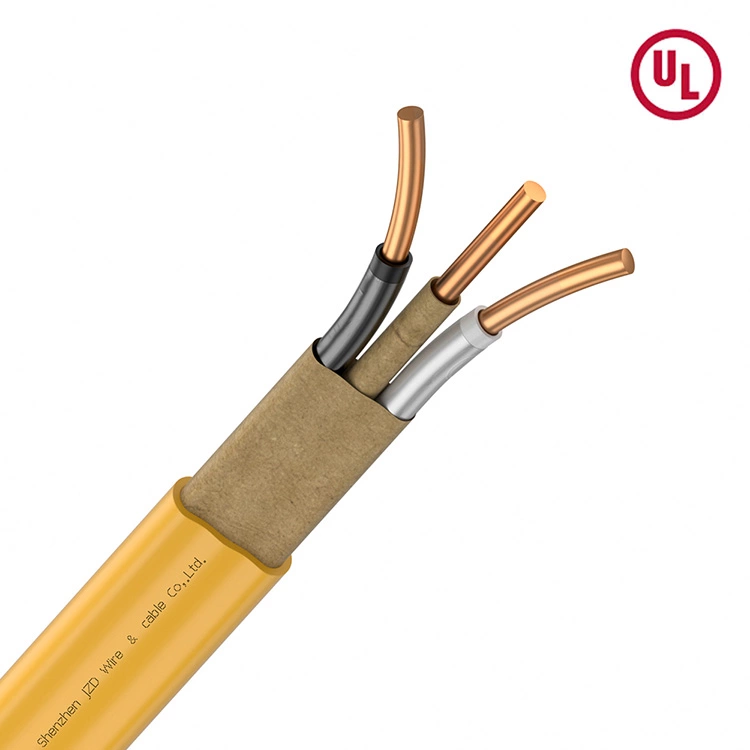
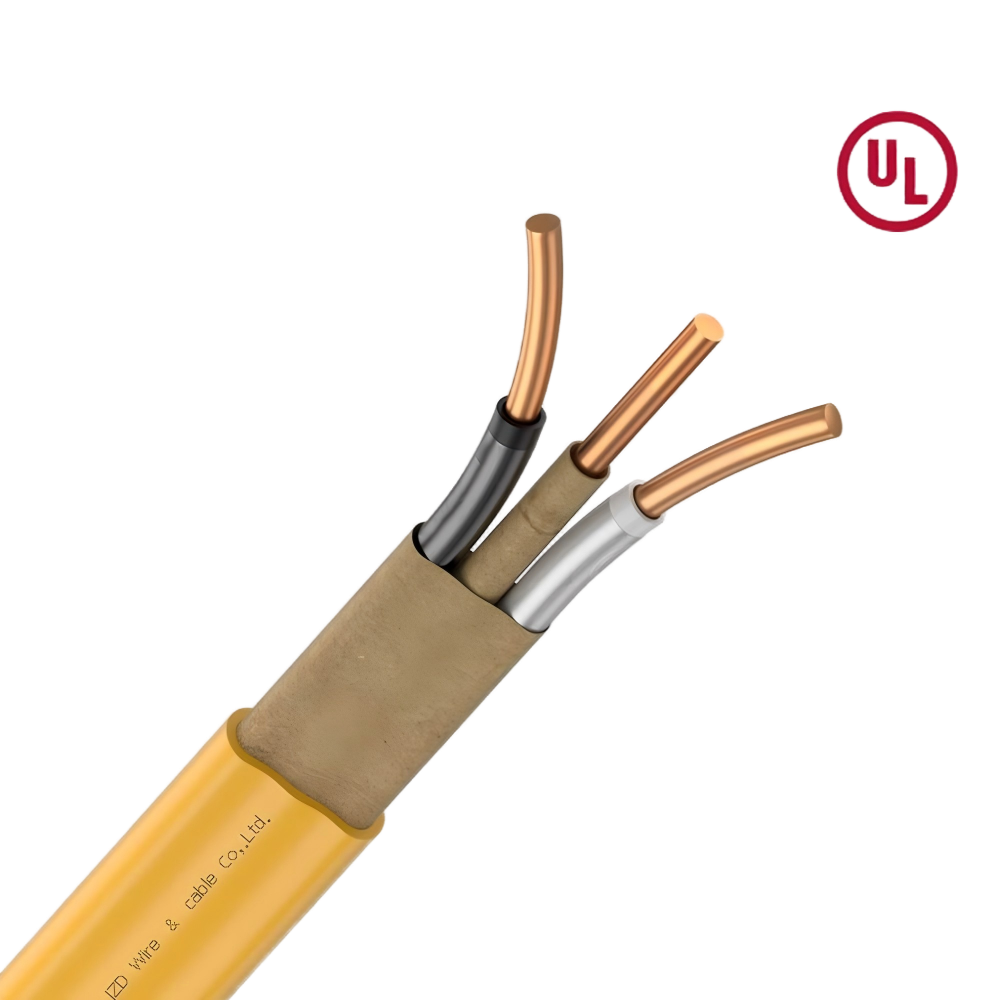
Taking a typical 2×1.5 mm² ANZ fire resistant cable as an example: the innermost layer uses mica tape as a fire barrier; the insulation layer uses LSZH cross-linked polyolefin (XLLSZH); and the outermost layer is a thermoplastic polyolefin sheath. This composite structure ensures fire pumps, smoke exhaust fans, and alarm systems continue to receive power under extreme conditions.
Standards Framework: AS/NZS 5000.2 vs. AS/NZS 3013
1. AS/NZS 5000.2: Construction and Normal Performance
This standard specifies cable construction, materials, and normal operating parameters, including conductor type, insulation thickness, and voltage rating (e.g., 450/750V).
2. AS/NZS 3013: Fire Performance and WS Codes
This standard evaluates wiring system performance under fire conditions. Using the common WS52 code as an example: “WS” is the system classification, “5” represents 120 minutes of circuit integrity, and “2” represents moderate mechanical protection. If a project faces high risks like vehicle impact, it requires an upgrade to WS X3 rating.
Selection Comparison Matrix
In summary, FR addresses “whether it burns,” FRLS addresses “how much smoke it produces,” and Fire Resistant cable addresses “whether power is maintained.”
| Dimension | FR (Flame Retardant) | FRLS (Low Smoke) | Fire Resistant Cable |
| Core Function | Prevents flame spread | Flame retardant + reduces smoke/acid gas | Flame retardant + LSZH + Maintains circuit |
| Smoke Density | High | Reduced | Extremely low (IEC 61034) |
| Halogen Acid Gas | High | Moderate | Extremely low (<0.5%) |
| Circuit Integrity | Not required | Not required | AS/NZS 3013 WS52W (120 mins) |
| Typical Applications | Auxiliary areas | High-rise buildings, corridors | Fire pumps, smoke exhaust, emergency lighting |

Compliance Verification Points
1. Verify the WS Code
Demand clear AS/NZS 3013 WS codes (such as WS52W) with 120-minute fire resistance test data with water spray, rather than just a standard flame spread test.
2. Check Third-Party Reports
Verify third-party reports for smoke density and halogen acid gas (IEC 61034 and IEC 60754), especially for enclosed tunnels and data centers.
3. Confirm the Conductor Class
For routing requiring frequent bending, confirm the conductor meets AS/NZS 1125 Class 5 stranding. Rigid solid conductors are highly susceptible to causing mica tape breakage during fire-induced vibration.
Engineering Applications and Solutions
1. Scenario Matching
Standard lighting circuits can use FRLS cables to balance cost and safety. However, circuits involving life safety, smoke extraction, and emergency evacuation must unhesitatingly use fire resistant cables certified to AS/NZS 3013.
2. Compliant Solutions
To meet strict ANZ requirements, our fire resistant circular cables utilize a mica tape barrier and LSZH insulation system. They strictly comply with AS/NZS 5000.2 and have passed the AS/NZS 3013 WS52W circuit integrity certification.
If you need to review WS test documents or obtain project selection support, please contact us for detailed technical information.
FAQ
1. Can FR and FRLS cables be used interchangeably?
Not recommended. FRLS is superior in smoke and toxicity control, but both fail to maintain circuit integrity. For critical fire safety circuits, fire resistant cables must be used.
2. What does the “120 minutes” mean?
It refers to the time a cable maintains circuit integrity under a 1050°C flame, mechanical impact, and water spray in the AS/NZS 3013 test.
3. Why do fire resistant cables use mica tape?
Mica forms an insulating shell at high temperatures. Even after polymer insulation carbonizes, it prevents short circuits between conductors.
4. Are LSZH and FRLS the same thing?
No. FRLS typically uses modified PVC to reduce smoke; LSZH uses halogen-free polyolefins with halogen release below 0.5%, offering a more thorough solution.