

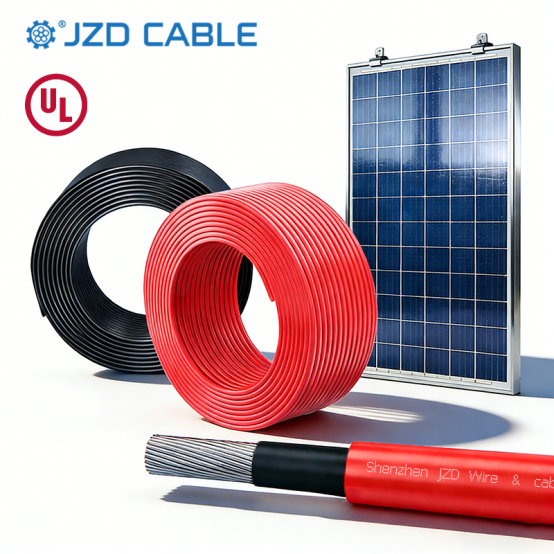
Rising electricity costs are driving more US homeowners to explore residential solar options. Beyond rooftop systems, compact installations on balconies, patios, and backyards—often called balcony solar or plug-in solar—are gaining attention.
These systems create new opportunities for the solar supply chain, including PV modules, inverters, connectors, and cables. Understanding their wiring requirements helps suppliers identify the right cable solutions.
Why Is Balcony Solar Gaining Attention in the US?
1. Rising Electricity Costs and Residential Energy Demand
Electricity costs are an important factor behind growing interest in residential solar. According to the US Energy Information Administration (EIA), the average US residential electricity price was approximately 17.3 cents per kWh in 2025. Its October 2026 outlook projected an average of 18.2 cents per kWh for 2026.
For homeowners, even a small solar installation can help offset part of their daytime electricity consumption. Although the actual savings depend on system capacity, sunlight exposure, electricity rates, and local utility rules, compact solar systems offer another option for households looking to manage energy expenses.
2. The Growth of Plug-in Solar and Microinverter Systems
Germany provides a useful example of how this market can develop. The German Federal Network Agency registered approximately 430,000 new plug-in balcony solar systems in 2025, showing continued demand for smaller, decentralized PV installations.
The US market has its own regulatory and technical conditions, so Germany’s development should not be treated as a direct forecast. However, the growing interest in compact solar kits highlights a potential market for smaller PV modules, microinverters, mounting equipment, and compatible electrical components.
How Does a Balcony Solar System Work?
A typical compact solar system uses PV modules to generate DC electricity and an inverter to convert it into AC power. The exact configuration depends on the equipment and whether the system is designed for grid connection, battery storage, or another application.
1. Solar Panels and DC Connections
Solar modules generate direct current (DC) when exposed to sunlight. PV cables connect the modules to the inverter, carrying the generated power through the DC side of the system.
These connections may be exposed to sunlight, rain, temperature changes, and outdoor installation conditions. The cable must therefore be suitable for the system’s electrical ratings and installation environment.
2. Microinverters and AC Connections
Many compact solar kits use microinverters installed near or directly behind the PV modules. A microinverter converts the DC output of a module or a small group of modules into alternating current (AC).
The inverter’s AC output is then connected to the designated building circuit or grid connection point. This means the system has different cable requirements on its DC and AC sides: PV cables are commonly used for module-side DC connections, while the AC wiring must be selected according to the inverter instructions and applicable electrical codes.
3. Grid Connection and Installation Requirements
Plug-in solar does not automatically mean that a system can be connected to any household outlet. Permitted connection methods, equipment requirements, circuit capacity, utility procedures, and local electrical rules vary across the United States.
Installers and equipment suppliers should check the applicable National Electrical Code (NEC) provisions, local amendments, utility requirements, and manufacturer instructions before specifying a connection method. Product selection must follow the actual system design rather than the assumption that every compact solar kit uses the same wiring arrangement.
What Cable Requirements Should Balcony Solar Installations Meet?
Compact solar systems may be smaller than conventional rooftop arrays, but their cables still operate in demanding environments. Outdoor exposure, electrical loading, and installation conditions all influence cable selection.
1. UV Exposure and Weather Resistance
Cables installed along balconies, exterior walls, rooftops, and backyard structures may be exposed to direct sunlight, rain, and moisture. Cable jackets and insulation must be suitable for the intended outdoor conditions.
For DC connections, installers should verify sunlight resistance and wet-location suitability through the cable’s markings and product documentation. A cable that is suitable for indoor wiring should not automatically be assumed suitable for long-term outdoor PV use.
2. Temperature and Current-Carrying Capacity
Solar cables can experience temperature changes caused by both the surrounding environment and electrical loading. Conductor size, insulation temperature rating, installation method, and ambient temperature all affect allowable current.
Selecting a cable based only on its nominal cross-sectional area is not sufficient. The cable’s ampacity must be evaluated against the actual circuit design and applicable code requirements.
3. Flexibility and Mechanical Protection
Compact systems often require cables to follow module frames, mounting brackets, exterior walls, or other restricted routes. Flexible conductors can make installation and routing easier, particularly where connections need to accommodate equipment movement or limited space.
However, flexibility does not replace mechanical protection. Cables should be routed to avoid sharp edges, excessive bending, abrasion, and unnecessary tension. Suitable clips, conduits, or protective fittings may also be required.
PV Wire vs. THHN and Ordinary Extension Cords
Different parts of a solar system perform different electrical functions. Choosing a cable by appearance or conductor size alone can lead to an unsuitable installation.
1. Where PV Wire Is Used
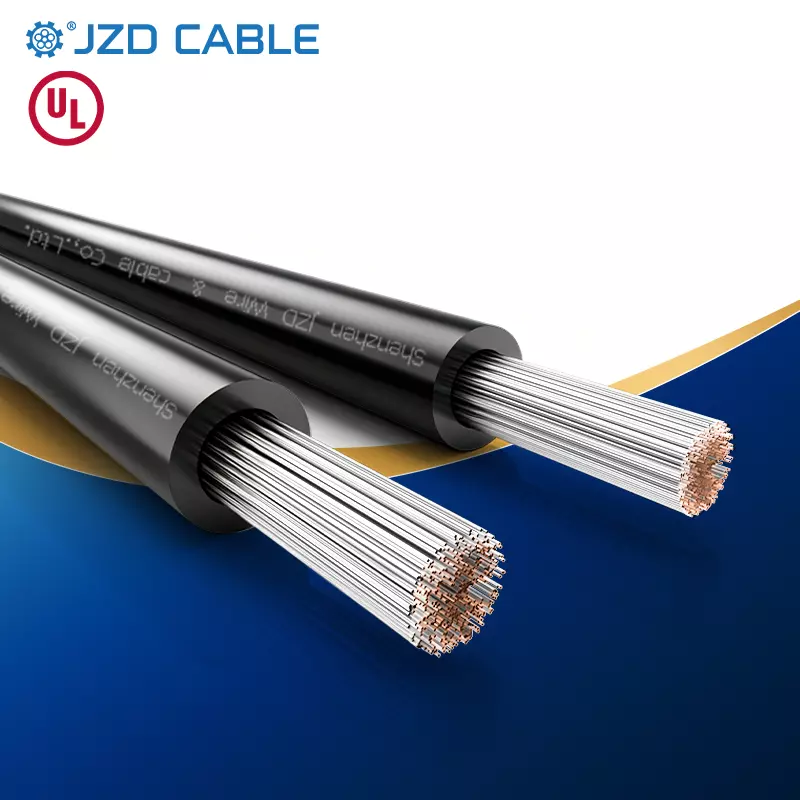
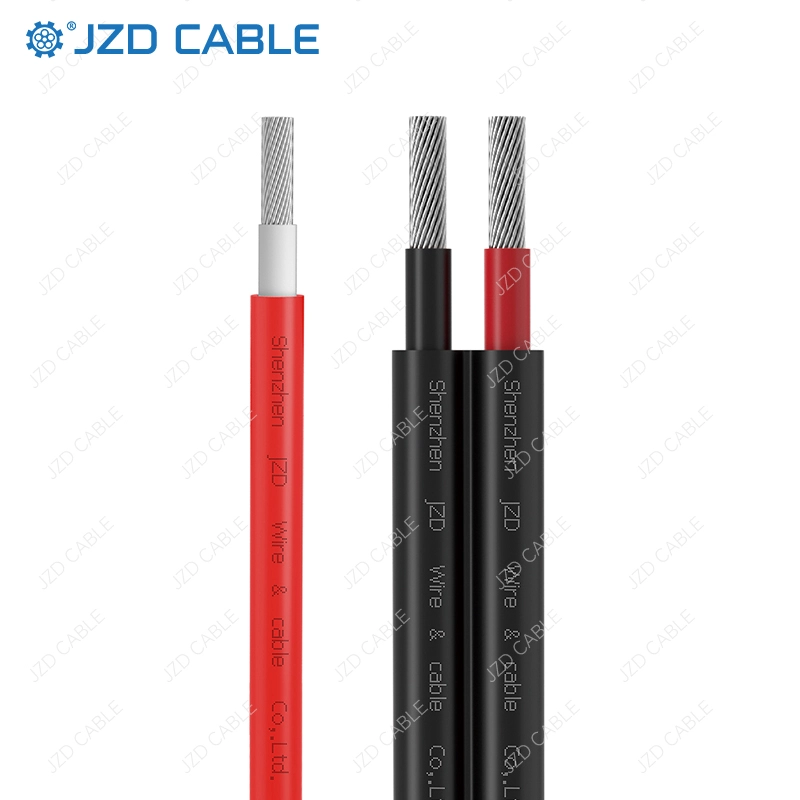
PV Wire is designed for photovoltaic applications and is commonly used for DC connections between solar modules and associated equipment. Products listed to UL 4703 are specifically evaluated for photovoltaic wire applications.
Depending on the product construction and ratings, PV Wire can provide features such as sunlight resistance, wet-location suitability, and temperature ratings appropriate for solar installations. These characteristics make it a relevant option for exposed module-side DC wiring.
2. THHN and Its Application Limitations
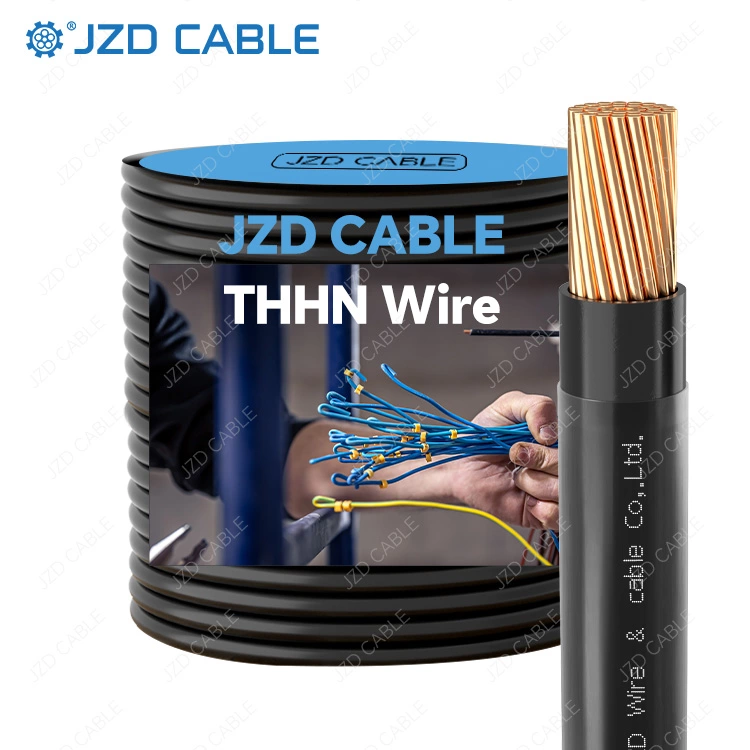
THHN is widely used in building and industrial electrical wiring, but it should not be treated as a direct substitute for PV Wire in every solar application.
Some conductors marked THHN are also marked THWN-2, indicating suitability for wet locations under their applicable conditions. Their use still depends on the conductor’s complete markings, installation method, circuit requirements, and applicable electrical codes.
For photovoltaic source-circuit wiring, the cable must meet the requirements of the specific application. A THHN marking alone does not establish that a conductor is suitable for exposed PV module connections.
3. Why Ordinary AC Extension Cords Cannot Replace DC Solar Cables
An ordinary household extension cord is designed for its specified AC applications. It is not automatically suitable for the DC connections between PV modules and an inverter.
Solar DC circuits have their own voltage, current, environmental, and connector requirements. Using an ordinary extension cord in place of a properly rated PV cable can create electrical and safety risks.
The AC side also requires an appropriately rated connection method. Installers should follow the inverter manufacturer’s instructions and local electrical requirements rather than assuming that a conventional extension cord is acceptable.
Related reading: The US Solar Industry Is Growing—Choosing the Right UL 4703-Certified PV Wire Matters
How to Select PV Wire for Residential Solar Systems
When specifying PV Wire for residential solar applications, buyers and installers should evaluate the complete product specification—not just the cable name or conductor size.
1. UL 4703 Listing and Voltage Ratings
UL 4703 is the standard covering photovoltaic wire. Buyers should verify that the cable is listed for the intended application and that its voltage rating is suitable for the system.
PV Wire products may have different voltage ratings and temperature specifications. The correct choice depends on the product’s actual listing, markings, and technical documentation.
2. Sunlight Resistance and Wet-Location Suitability
Outdoor PV wiring may remain exposed to sunlight and moisture throughout its service life. Confirm that the cable is marked and documented for the environmental conditions in which it will be installed.
These properties should be verified from the product label and technical data sheet rather than inferred from the cable’s appearance or general description.
3. Conductor Construction and Flexibility
Copper conductors are commonly used in PV Wire, with conductor stranding and construction varying by product design. Stranded conductors can support easier routing and termination in applications where flexibility is important.
Buyers should compare conductor material, stranding, cross-sectional area or AWG size, and applicable electrical ratings. Tinned copper may also be available as a product option, depending on the manufacturer’s specifications.
4. Temperature Ratings and Ampacity
Temperature ratings indicate the conditions under which the cable insulation system is designed to operate. They should not be confused with the cable’s allowable current-carrying capacity.
Ampacity depends on several factors, including conductor size, insulation rating, ambient temperature, and installation conditions. Cable selection should therefore be based on the applicable code calculations and the specific product documentation.
5. Connector and Termination Compatibility
PV cables must be compatible with the connectors and terminals used in the system. Buyers should confirm the required conductor size, termination method, connector specifications, and manufacturer-approved compatibility.
Even when two connectors appear similar or have comparable environmental ratings, that does not establish that they are approved for interconnection. Following the equipment manufacturer’s instructions is essential.
JZD PV Wire Solutions for Residential Solar Applications
As compact residential solar systems develop, cable suppliers need to support different installation requirements across the PV market. Product specifications should clearly identify conductor material, size, insulation and jacket construction, voltage rating, temperature rating, and applicable certifications or listings.
JZD provides cable solutions for solar and electrical applications. For residential PV projects, buyers can evaluate PV Wire options according to system voltage, installation environment, conductor requirements, and connector compatibility.
Whether supplying distributors, solar equipment manufacturers, or installation contractors, having clearly defined cable specifications helps simplify product evaluation and project procurement.
Contact JZD to discuss your PV cable requirements and request free samples for product evaluation.
Conclusion
Balcony solar and other compact PV systems are creating new opportunities within the residential solar supply chain. While the US market has its own regulatory requirements, growing interest in smaller solar installations makes it important for suppliers to understand the equipment and wiring involved.
For cable selection, the key is to distinguish between DC module connections and AC output wiring, then match each cable to its intended application. Properly specified PV Wire, supported by verified ratings and compatible connectors, is an important part of reliable residential solar system design.