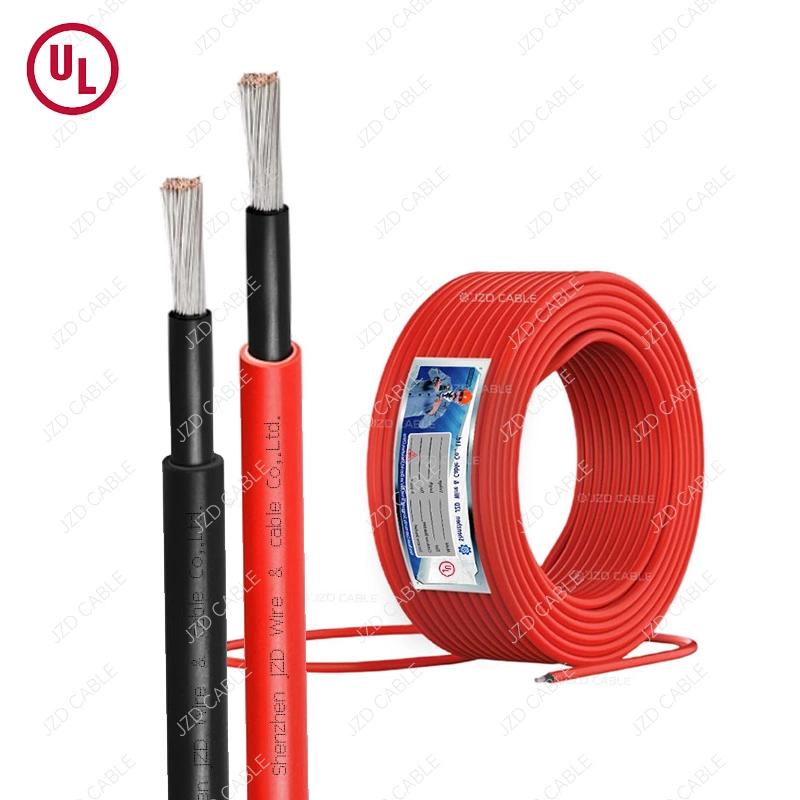



In the quest for cost-optimized and efficient photovoltaic (PV) systems, a common question arises: Can we use aluminum conductors for solar cables? The short answer is yes, but under strictly defined conditions. Replacing copper with aluminum is not a simple swap. Using the wrong material or method can lead to serious safety hazards and system failure.
At JZD Cable, a professional manufacturer of wiring and cabling solutions, we believe in empowering installers and project developers with accurate technical knowledge. This guide dives deep into the standards, limitations, and correct practices for using aluminum conductors in PV applications.
Core Conclusion: It’s Possible, with Critical Caveats
- Standards Permit It: International and national standards explicitly allow the use of aluminum alloy conductors in PV DC cables. Key standards include IEC 62930, China’s T/CAS 566-2022, and T/CPIA 0054-2023. Crucially, they permit only AA-8000 series aluminum alloy conductors. The use of pure aluminum (AA-1000 series) is strictly prohibited in PV cables because of its poor creep resistance, corrosion issues, and low mechanical strength.
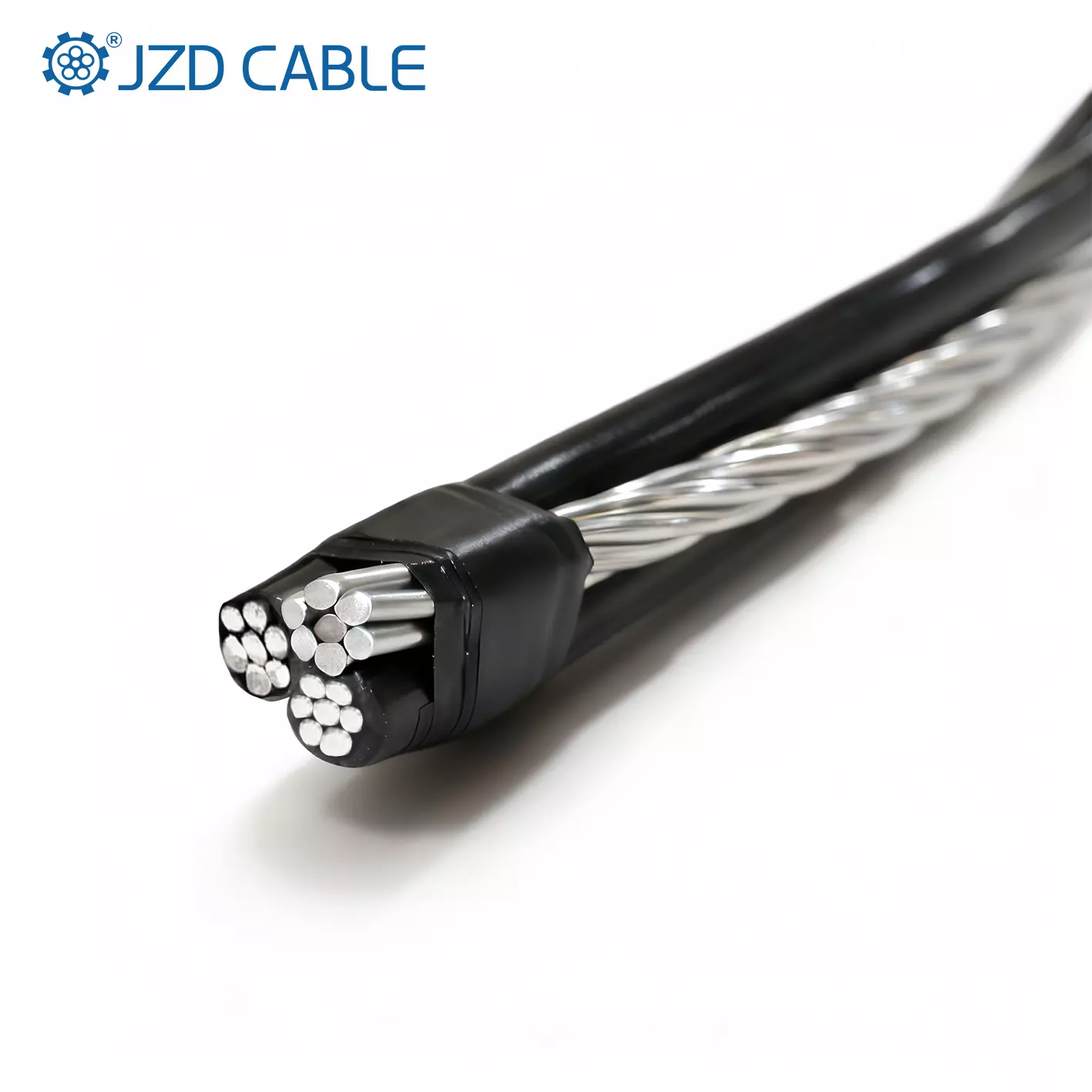
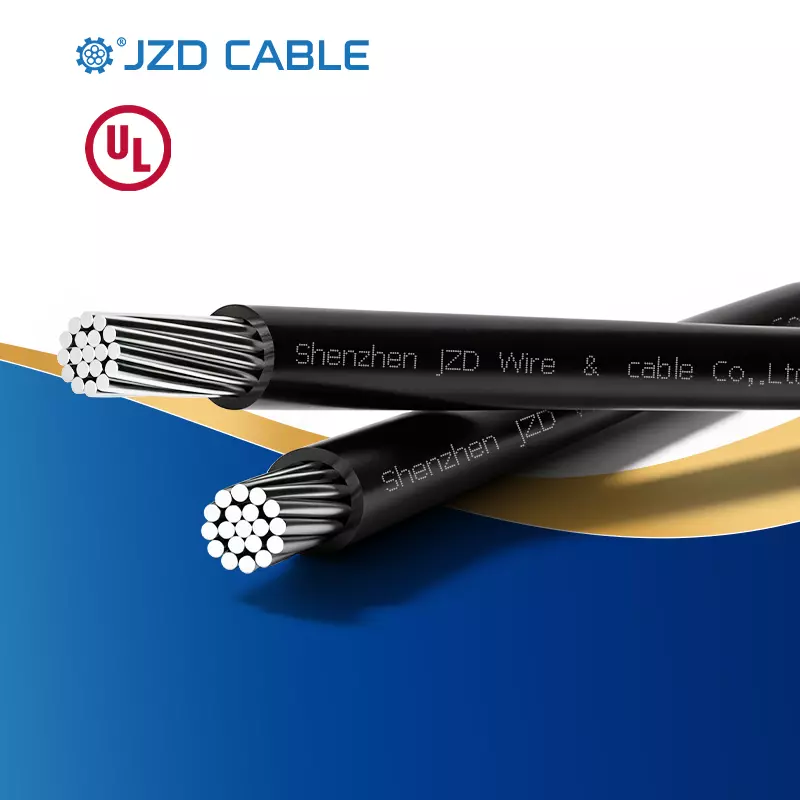
- Essential Distinction: PV applications require specialized aluminum alloy, not ordinary pure aluminum. AA-8000 series alloys (like 8030, 8176) are enhanced with elements like magnesium and silicon, offering improved creep resistance, better oxidation behavior, and a conductivity of about 61% IACS. They are engineered to withstand harsh PV environments: temperatures from -40°C to 120°C, UV exposure, humidity, and salt spray.
- Critical Prohibitions:
-
- NEVER use ordinary aluminum building wire or pure aluminum as a direct substitute for tinned copper PV cable.
- NEVER make a direct copper-to-aluminum connection. This leads to galvanic corrosion, differential thermal expansion, loose connections, overheating, and poses a significant fire risk, especially under high DC voltage.
Why Pure Aluminum is Forbidden, and Only Special Alloy is Allowed
Understanding the “why” behind the rules is key to safe implementation.
- Creep Resistance: PV cables operate under continuous high temperatures (70-90°C behind modules) and DC current. Pure aluminum suffers from severe “creep” – it slowly deforms under pressure and heat, causing connections to loosen. This increases contact resistance, leading to dangerous overheating and potential fire. AA-8000 series alloy has creep resistance close to copper, making it stable for long-term use.
- Oxidation Layer: Pure aluminum forms a hard, electrically resistant oxide layer (Al₂O₃) on its surface, which impedes conductivity and causes poor contact. The oxide layer on treated AA-8000 alloy is more controlled and manageable.
- Mechanical Strength: Pure aluminum is soft and prone to breakage. It cannot withstand the rigors of outdoor PV installation, including wind-induced vibration, bending, or accidental foot traffic. AA-8000 alloy, when properly stranded, offers the required flexibility and tensile strength.
- Conductivity: While pure aluminum has about 60% the conductivity of copper (IACS), the specialized alloy is similar. This must be factored into system design.
Key Requirements for PV Aluminum/Alloy Cables
If you decide to use aluminum alloy PV cable, adherence to these specifications is non-negotiable.
- Conductor Material: It must be AA-8000 series aluminum alloy (e.g., 8030, 8176), certified to PV-specific standards for creep resistance, aging resistance, and DC electrolytic corrosion resistance.
- Insulation & Sheath: The cable must use PV-specific cross-linked polyolefin (XLPO) or Low Smoke Zero Halogen (LSZH) materials. These are designed to resist UV radiation, ozone, extreme temperatures, and high DC voltage (1500V/1800V). Standard building wire insulation is not suitable.
- Connection & Termination (The Most Critical Part):
- Must use PV-rated copper-aluminum transition terminals, connectors, or busbars that are tin-plated and treated for oxidation resistance.
- Direct crimping or twisting of copper and aluminum is forbidden.
- Apply PV-specific conductive antioxidant compound to all connections to prevent oxidation and improve contact.
- Ensure all connections are properly sealed to be waterproof and resistant to salt spray.
- Use calibrated, proper tools for crimping to ensure consistent contact pressure and eliminate loose connections.
- Current Rating & Voltage Drop: An aluminum alloy cable of the same cross-sectional area has a lower current-carrying capacity (ampacity) than its copper counterpart. Upsizing is often necessary. Always calculate the DC voltage drop (typically required to be ≤2% on the DC side) to ensure you do not lose significant system power.
When to Consider Aluminum Alloy PV Cable?
Aluminum alloy PV cable is a viable, cost-effective solution for specific, large-scale scenarios:
- Large Utility-Scale Solar Farms: Where the cost savings on long string runs from the array to the combiner boxes can be substantial.
- Projects with Long DC String Runs: Where voltage drop can be managed by careful conductor sizing.
Consult with your cable supplier and system engineer. For most residential and commercial rooftop installations with shorter runs, the simplicity and well-understood performance of tinned copper PV cable often make it the preferred choice.
Partner with a Knowledgeable Supplier
Choosing the right cable is foundational to your project’s safety, performance, and longevity. At JZD Cable, we provide not only high-quality, standards-compliant photovoltaic cables in both copper and specialized alloy constructions but also the technical support to help you specify and use them correctly.
Visit our website at jzdcable.com to explore our PV cable solutions and contact our technical team for your project-specific requirements.