

When it comes to connecting batteries to loads in automotive, solar, and energy storage systems, PVC battery cable remains one of the most widely used and cost-effective solutions. Its balanced combination of electrical performance, mechanical durability, and affordability makes it a go-to choice for countless applications worldwide.
This comprehensive guide covers everything you need to know about PVC battery cables — from construction and core parameters to real-world applications and selection tips.
What Is a PVC Battery Cable?
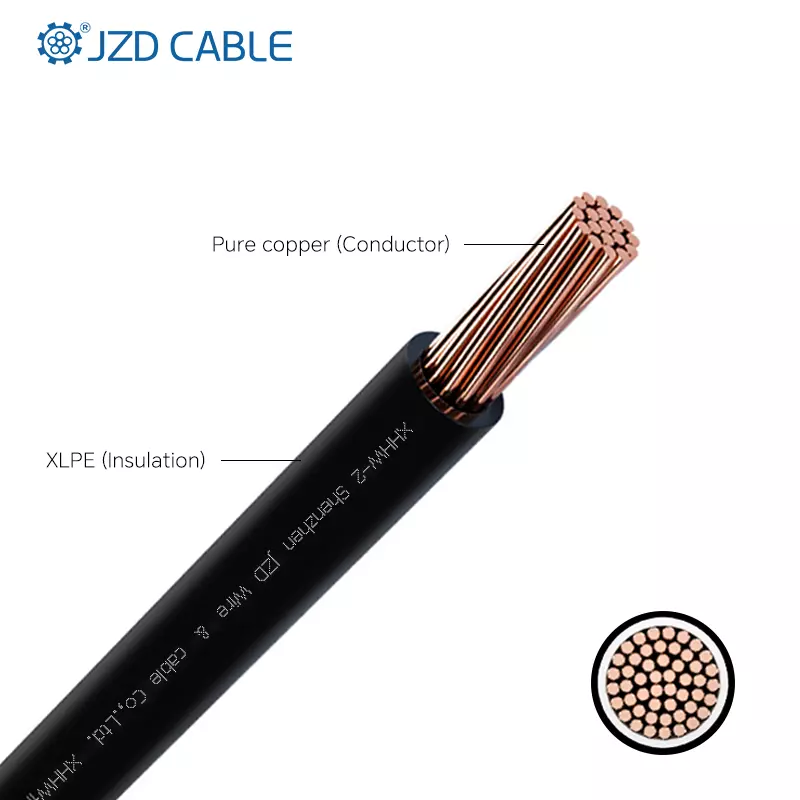
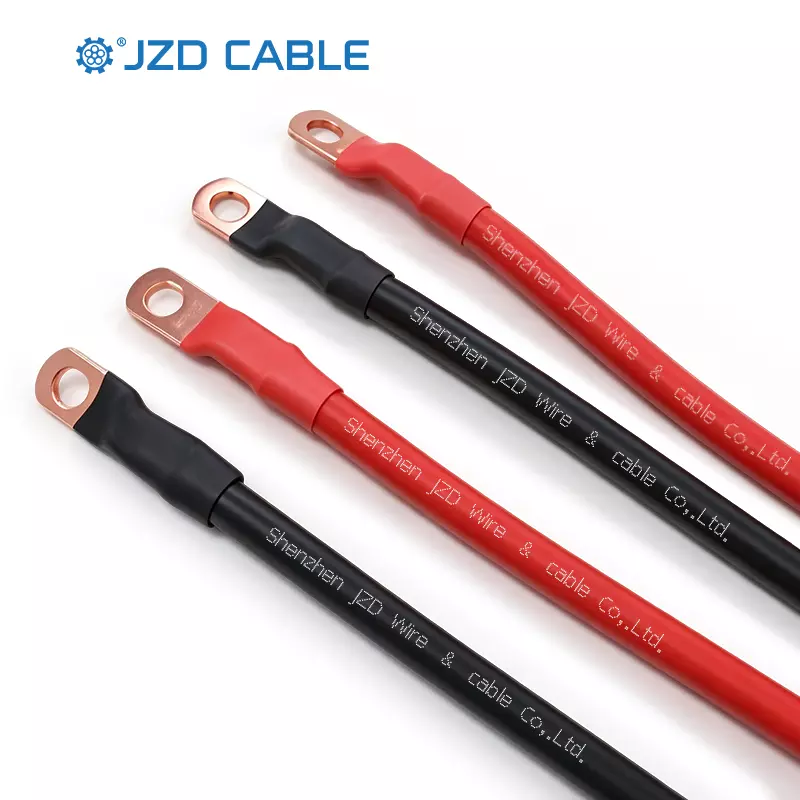
A PVC battery cable is a high-current DC cable with polyvinyl chloride (PVC) insulation (and optionally a PVC or TPE jacket). It is designed to connect batteries to loads such as starters, inverters, motors, and power distribution units. The cable is characterized by:
- Stranded bare or tinned copper conductor (Class 5/6 fine stranding) for flexibility and vibration resistance
- PVC insulation offering good voltage withstand, moisture resistance, and chemical protection
- Optional outer sheath (PVC or TPE) for enhanced abrasion, oil, and weathering resistance
Common cross-sections range from 2.5 mm² to 95 mm² (or AWG 14 to 3/0), with red (positive) and black (negative) color coding.
Construction & Materials
|
Component
|
Description
|
|---|---|
|
Conductor
|
Multi-strand bare copper or tinned copper (Class 5/6 soft strand). Tinned option provides corrosion resistance for longer life in humid environments.
|
|
Insulation
|
PVC compound (standard, heat-resistant, or flame-retardant grade). Thickness typically 0.8–2.0 mm depending on voltage rating and gauge.
|
|
Jacket (optional)
|
PVC or TPE outer layer for extra mechanical protection in harsh environments (abrasion, oil, UV).
|
Core Electrical & Physical Parameters
|
Parameter
|
Value
|
|---|---|
|
Rated Voltage
|
450/750 V AC / 600 V DC
|
|
Temperature Range
|
Standard PVC: –20°C to +70°C
Heat-resistant PVC: –5°C to +80°C Premium grades: up to 105°C |
|
Flame Retardancy
|
IEC 60332-1-2 / VW-1 – self-extinguishing, does not easily propagate flame
|
|
Bending Radius
|
≥ 6 × cable outer diameter – moderate flexibility, suitable for fixed or occasional flexing
|
|
Conductor Sizes
|
2.5 mm² – 95 mm² (AWG 14 – 3/0)
|
Key Advantages of PVC Battery Cables
1. High Cost-Effectiveness
PVC battery cables offer the best price-to-performance ratio among battery cable types. They are significantly cheaper than silicone or rubber alternatives while delivering reliable electrical performance for most standard applications.
2. Good Environmental Resistance
- Oil & grease resistant – suitable for engine compartments and workshop environments
- Abrasion resistant – tough PVC insulation withstands rubbing against metal edges and conduit
- Moisture & humidity tolerant – performs well in damp indoor and sheltered outdoor conditions
- Chemical resistant – resists mild acids and alkalis
3. Flame Retardant & Safe
PVC compounds are formulated with flame retardants that meet VW-1 and IEC 60332-1-2 standards. In the event of a short circuit or overload, the cable resists ignition and does not propagate flames.
4. Reliable Conductivity
Tinned copper strands prevent oxidation, ensuring stable current flow and minimal voltage drop over years of service. The Class 5/6 stranding provides good flexibility for routing in tight spaces.
5. Wide Availability & Color Coding
Red/black color coding simplifies polarity identification during installation. Common sizes are readily stocked by distributors worldwide.
Typical Applications
PVC battery cables are used wherever cost-sensitive, moderate-environment DC power connections are needed:
|
Sector
|
Specific Applications
|
|---|---|
|
Automotive & Commercial Vehicles
|
Battery-to-starter, alternator, inverter connections; main chassis ground cables
|
|
Energy Storage Systems
|
Battery pack interconnections, inverter DC input, home battery backup wiring
|
|
Solar & RV
|
Solar charge controller to battery, RV house battery distribution, campervan power wiring
|
|
Electric Vehicles (low-speed)
|
Forklifts, golf carts, electric scooters – battery to controller and motor
|
|
Industrial Equipment
|
DC power supplies, UPS battery cabinets, telecom base station battery leads
|
|
Marine (sheltered)
|
Interior boat battery wiring (non-exposed, non-submerged)
|
PVC vs. Silicone vs. Rubber Battery Cables – Quick Comparison
|
Feature
|
PVC Battery Cable
|
Silicone Battery Cable
|
Rubber Battery Cable
|
|---|---|---|---|
|
Temperature Range
|
–20°C to +105°C (max)
|
–60°C to +200°C
|
–40°C to +105°C
|
|
Flexibility
|
Moderate (stiffens in cold)
|
Extremely soft (entire range)
|
Good (balanced)
|
|
Flame Retardancy
|
VW-1 / IEC 60332-1-2
|
UL94 V-0 / VW-1
|
IEC 60332-1 (varies)
|
|
Mechanical Toughness
|
Good abrasion resistance
|
Soft – prone to cuts
|
Excellent tear & crush resistance
|
|
Cost
|
Lowest
|
2–3× PVC
|
Mid-range
|
|
Best For
|
Indoor / budget / moderate temp
|
High-temp / extreme cold / flex
|
Heavy-duty / dragging / oil
|
Small-Gauge PVC Battery Cables (≤6 mm² / ≤8 AWG)
Small PVC battery cables (0.5–6 mm² / 18–8 AWG) are ideal for low-current auxiliary circuits:
- Consumer electronics (chargers, portable devices)
- Electric bike / scooter lighting, horn, dashboard
- Automotive interior accessories (USB ports, reading lights)
- Security cameras, access control, fire alarm backup
- Small appliance internal wiring
These cables are lightweight, easy to route, and affordable for mass production.
Large-Gauge PVC Battery Cables (≥10 mm² / ≥8 AWG)
Large PVC cables (10–95 mm² / 8 AWG–3/0) handle main power paths:
- Car/truck battery starter cables
- Inverter DC input leads
- Solar combiner box to battery bank
- UPS battery cabinet interconnect
- Industrial DC bus bars
Their thick insulation and robust conductor deliver low voltage drop over moderate distances.
How to Select the Right PVC Battery Cable
- Determine current draw – Use ampacity tables for PVC insulation (typically 75°C or 90°C column, depending on PVC grade).
- Measure cable length – Longer runs require larger gauge to limit voltage drop (<3% recommended).
- Check ambient temperature – If engine compartment exceeds 80°C, choose heat-resistant PVC or upgrade to silicone.
- Consider mechanical exposure – For routes subject to abrasion or pinching, add a protective jacket or use rubber cable.
- Verify flame rating – For enclosed battery boxes or fire-sensitive areas, insist on VW-1 rated PVC.
Frequently Asked Questions
Q: Can PVC battery cable be used outdoors?
A: Yes, in sheltered outdoor locations (under hood, inside enclosures). For direct sunlight exposure, PVC degrades over 3–5 years. Use silicone or rubber with UV stabilizers for permanent outdoor runs.
Q: Is tinned copper necessary?
A: Tinning prevents oxidation in humid or marine environments. For dry indoor use, bare copper is sufficient. For battery terminals (acid fumes), tinned is strongly recommended.
Q: What is the maximum current for a 25 mm² PVC cable?
A: Approx. 110–130 A (depending on ambient temperature, bundling, and insulation rating). Always consult the manufacturer’s ampacity chart.
Q: Can I use PVC battery cable for welding leads?
A: No – welding cable requires much finer stranding and a rubber jacket for repeated flexing. PVC battery cable is not designed for that duty cycle.
Why Choose JZD Cable for Your PVC Battery Cable Needs?
At JZD Cable, we manufacture high-quality PVC battery cables to international standards:
- Materials: Bare or tinned copper, Class 5/6 stranding
- Insulation: Standard PVC, heat-resistant PVC (105°C), or VW-1 flame-retardant PVC
- Sizes: 2.5 mm² to 95 mm² (AWG 14 to 3/0)
- Colors: Red, black, or custom
- Certifications: RoHS, REACH, IEC 60332-1-2
Whether you need bulk spools for OEM production or custom-length assemblies for a battery bank, we deliver consistent quality and competitive lead times.
Request a quote or technical datasheet today. Visit jzdcable.com or contact our sales team.