

Industrial control panels are widely used in automated production lines, industrial machinery, and manufacturing systems to manage power distribution and equipment operation.
As control systems become more integrated, cable selection plays an important role in connecting panels with motors, machines, and field equipment. Different parts of an industrial system require different wiring methods.
While THHN wire is commonly used for internal panel wiring, UL1277 TC-ER cable is often selected for connections between control panels, equipment, and cable tray systems due to its multi-conductor construction and industrial-rated protection.
Cable Applications in Industrial Control Systems
An industrial control system typically includes three main wiring areas:
| Wiring Area | Typical Cable Requirement |
| Inside control cabinet | Flexible conductors for component connections |
| Panel-to-equipment connections | Durable cable for longer routing distances |
| Cable tray systems | Cable with suitable tray and mechanical protection |
For control panel manufacturers, selecting the correct cable according to the installation location helps create cleaner wiring layouts and reliable electrical connections.
Why UL1277 TC-ER Cable Fits Industrial Control Panel Applications
1. Multi-Conductor Construction Simplifies Equipment Connections
In many industrial systems, control panels need to connect with:
- Motors
- Production equipment
- Machine controllers
- Field devices
Using multiple individual conductors can increase the number of cables required between the panel and equipment.
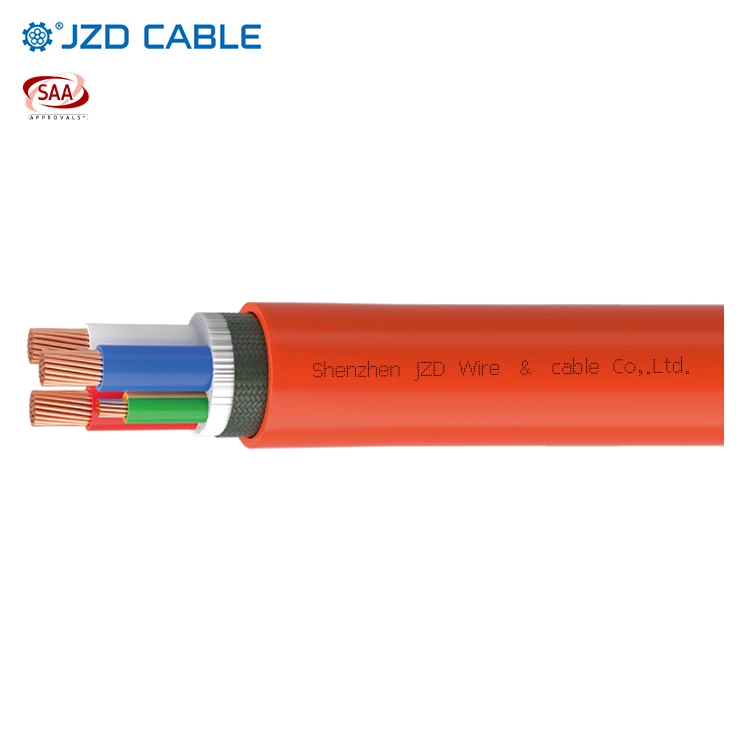
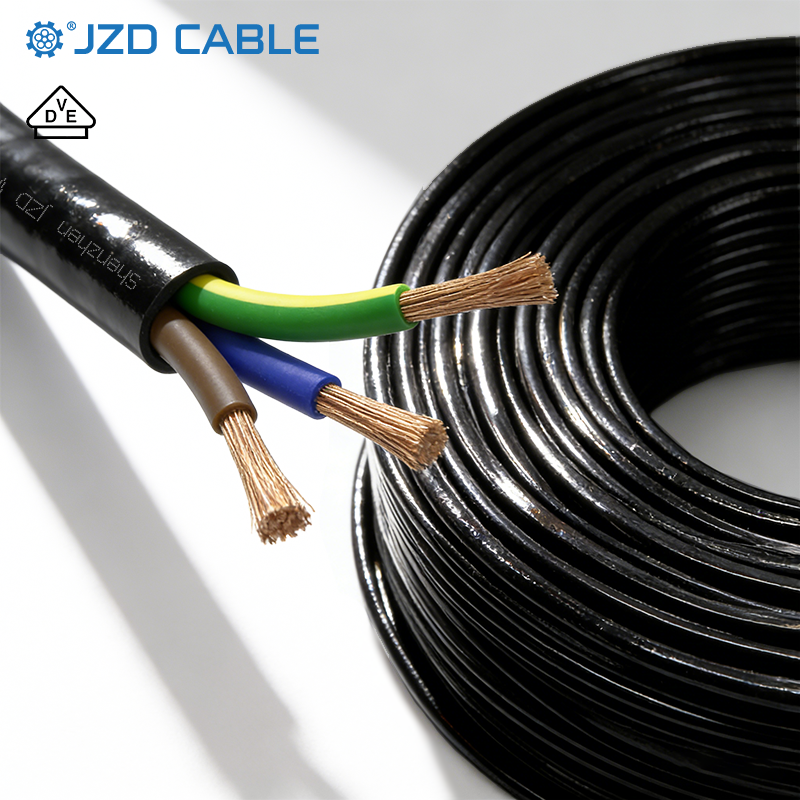
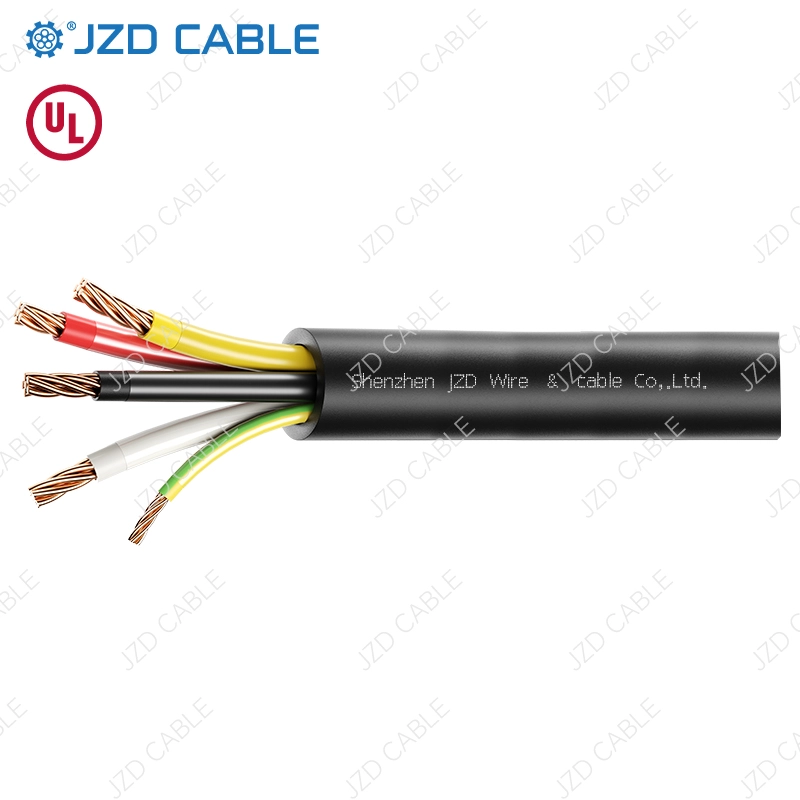
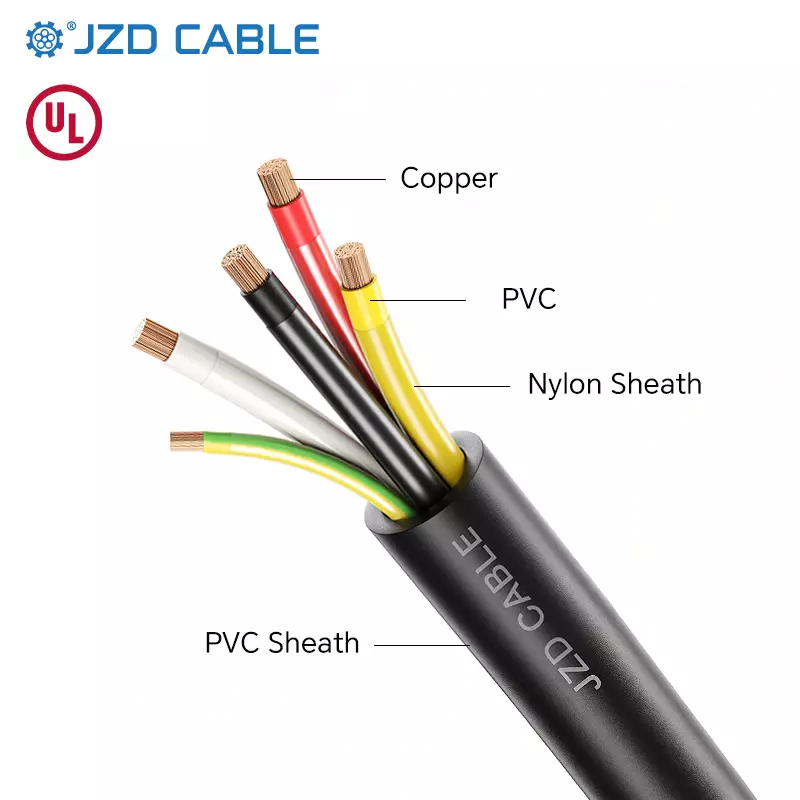
UL1277 TC-ER cable integrates multiple conductors into one cable assembly, helping simplify cable routing and maintain a more organized installation.
2. Tray Cable Design Supports Industrial Cable Routing
Industrial facilities often use cable trays to organize power and control wiring across production areas.
With its Tray Cable (TC) rating, UL1277 TC-ER cable is designed for suitable cable tray installations and industrial routing applications.
Typical locations include:
- Factory cable trays
- Equipment connection routes
- Industrial control systems
This makes TC-ER cable suitable for applications where cables need to run through structured industrial wiring systems.
3. Protective Jacket Provides Additional Mechanical Protection
Industrial wiring installations may involve:
- Equipment vibration
- Frequent operation cycles
- Complex cable routing paths
The outer jacket construction of TC-ER cable provides additional protection compared with individual conductors, helping maintain cable integrity during installation and operation.
UL1277 TC-ER Cable Applications in Industrial Systems
1. Motor Control Panels
Motor control panels frequently connect with motors, pumps, and other industrial equipment.
TC-ER cable can be used for panel-to-equipment connections where organized routing and durable cable construction are required.
2. Automated Production Equipment
Modern manufacturing equipment often includes multiple electrical connections between control systems and machines.
The TC-ER cable helps simplify these connections by combining multiple conductors into a single cable structure.
3. Industrial Cable Tray Wiring
Large facilities commonly use cable trays to distribute electrical wiring throughout production areas.
UL1277 TC-ER cable provides a practical option for organized cable tray installations in industrial environments.
UL1277 TC-ER Cable vs THHN Wire
THHN and TC-ER are both widely used in industrial electrical systems, but they are designed for different installation locations.
| Application | Recommended Cable |
| Internal control cabinet wiring | THHN wire |
| Component connections inside panels | THHN wire |
| Panel-to-machine connections | UL1277 TC-ER cable |
| Cable tray routing | UL1277 TC-ER cable |
| Industrial equipment connections | UL1277 TC-ER cable |
THHN remains a common choice for internal panel wiring, while TC-ER provides advantages for external equipment connections and industrial cable routing.
How to Verify Industrial Control Panels Meet Electrical Safety Standards?
For industrial control panel manufacturers, cable selection should match the electrical design and installation requirements.
Key points include:
1. Cable Rating
Verify:
- Voltage rating
- Temperature rating
- Cable construction
- Installation method
2. Installation Compatibility
Confirm:
- Cable routing method
- Connection requirements
- Protection requirements
3. Standard Requirements
Control panel designs should follow applicable electrical standards and installation practices to ensure safe and reliable operation.
JZD Industrial Cable Solutions
JZD provides industrial cable solutions for OEM manufacturers, distributors, and electrical contractors.
With a wide range of building wires, flexible cables, and specialty cables, JZD supports applications including:
- Industrial control systems
- Automation equipment
- Manufacturing machinery
- Power distribution systems
JZD focuses on consistent product quality, international standards compliance, and reliable cable supply for industrial applications.
Conclusion
The cable used in an industrial control system should match its installation environment and connection requirements.
For internal cabinet wiring, THHN is commonly selected. For panel-to-equipment connections, cable tray installations, and industrial routing applications, UL1277 TC-ER cable provides a practical option with multi-conductor construction, durable jacket protection, and industrial-rated performance.
Contact Us, JZD provides UL1277 TC-ER cable solutions designed for modern industrial control applications.