

Power rarely stays fixed across construction, industrial, commercial, and event applications. Equipment moves and layouts change, so fixed wiring often falls short. Royal Cord Cable delivers the flexibility and durability needed for light- to heavy-duty use. This article starts with what it is, then looks at where it is used, how it performs, and how to choose the right specification for your project.
What Is Royal Cord Cable?
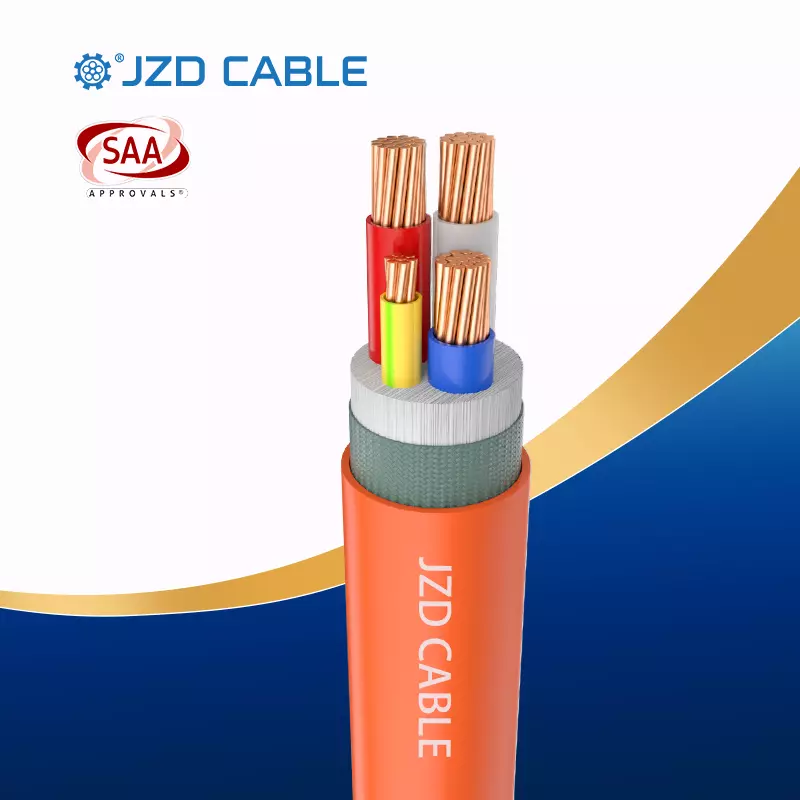
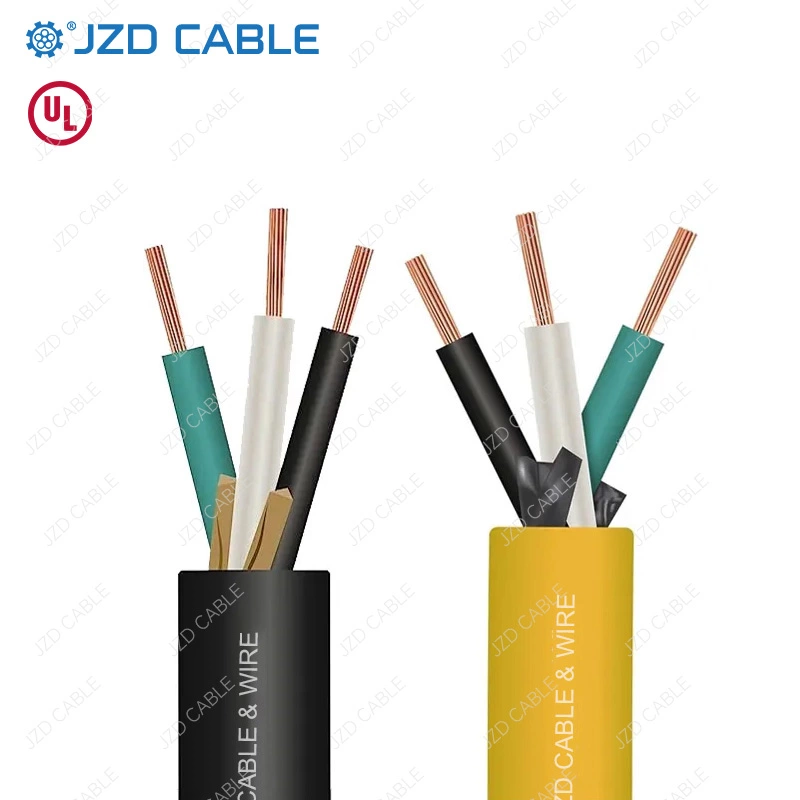
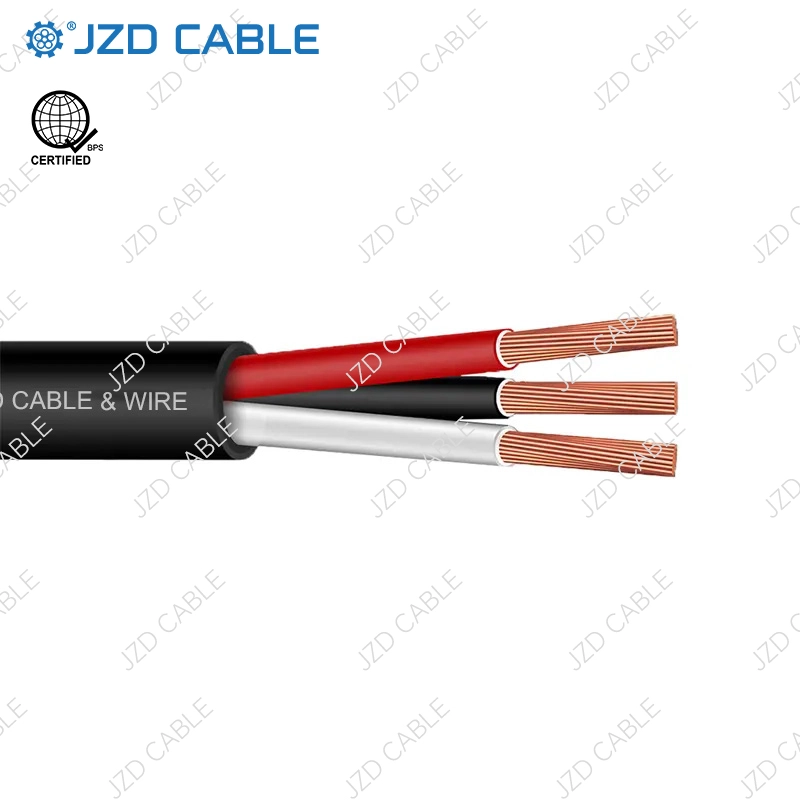
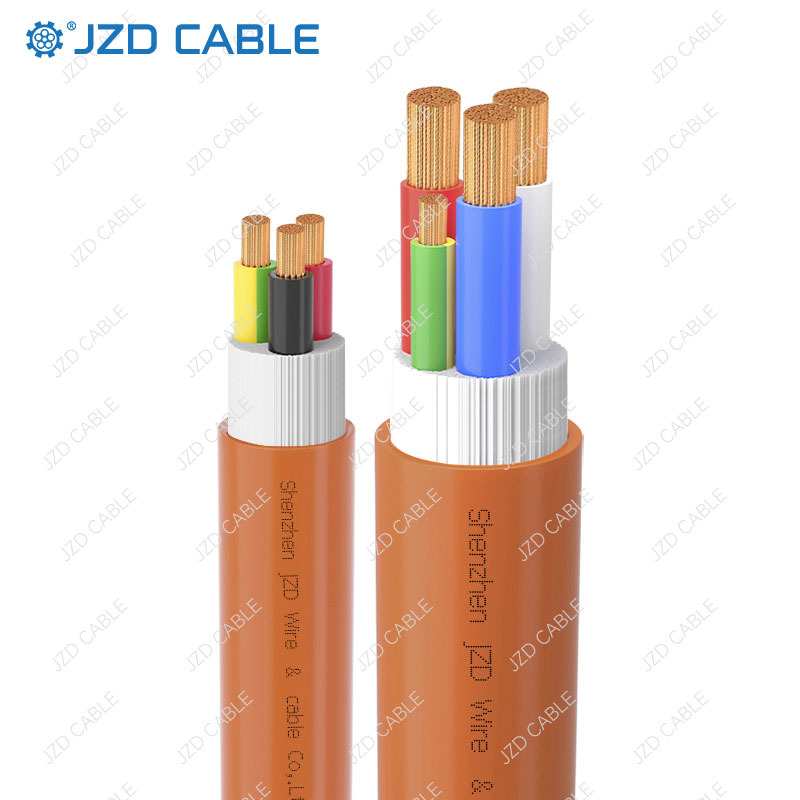
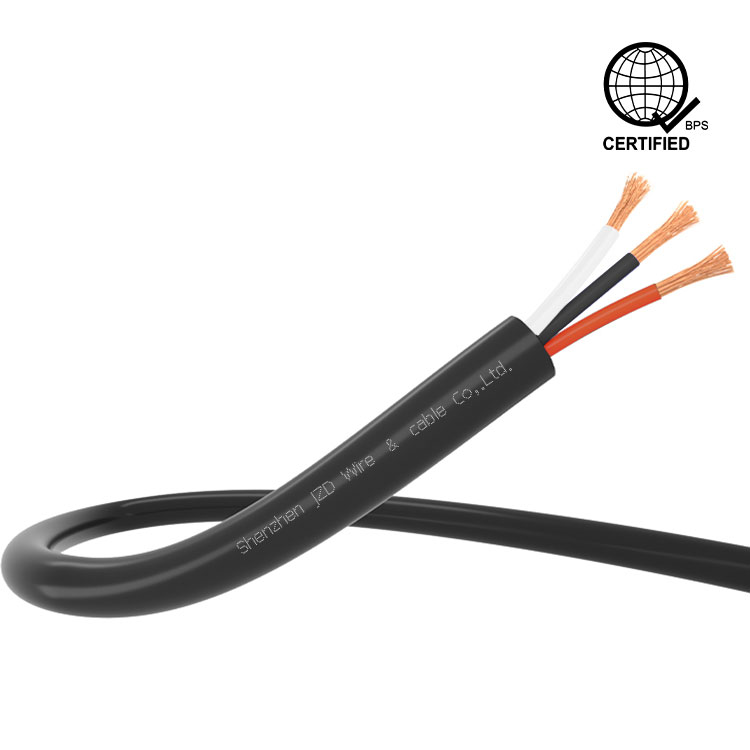
Royal Cord Cable is a multi-core flexible power cable used for portable equipment, temporary power, extension cords, and appliance connections. It is typically made with stranded copper conductors, PVC insulation, and a PVC jacket and is available in 2-, 3-, and 4-core versions with conductor sizes typically ranging from 0.75 mm² to 6 mm².
Unlike fixed wiring, it is designed for repeated bending, coiling, and movement. Voltage, temperature, and certification requirements vary by model and market, so actual specifications should always be confirmed against the product datasheet.
Application Demand: Why Different Projects Need Royal Cord Cable
Different installations demand different things. Fixed conduit in an office, temporary generator connections on a site, mobile industrial tools, and commercial appliances all require different levels of flexibility, abrasion resistance, and electrical specification.
Four needs shape the cable choice:
- Mobility: Moving equipment requires repeated bending, coiling, and uncoiling without damage.
- Space: Tight cabinets and enclosures favor flexible cables with smaller bending radii.
- Connection: Multi-core, color-coded conductors simplify termination and reduce wiring errors.
- Power: Small appliances may need 0.75–1.5 mm²; heavy tools may need 3.5 mm² or larger at 600V.
These needs point to one requirement: electrical performance plus mechanical flexibility. That is where Royal Cord Cable begins. The next section explains how its construction meets these demands.
Product Advantages: How Royal Cord Cable Solves Practical Wiring Problems
The advantages of Royal Cord Cable come from its construction. Every material and design choice should address a real-world problem, rather than simply repeating generic claims such as “flexible, durable, and widely used.”
1. Flexible Conductor Structure
Royal Cord Cable typically uses stranded copper conductors, such as bare soft copper wires stranded according to standards like ASTM B-172 and B-174. ASTM B-172 and B-174 are industry standards related to stranded and braided copper conductors. Compared with solid conductors, a stranded structure distributes mechanical stress across many fine copper wires, making the cable less likely to fatigue and break during repeated bending.
2. Insulation and Jacket Performance
Royal Cord Cable usually uses lead-free flame-retardant PVC insulation and jacket, meeting standards such as PNS 163. PVC material can resist heat, moisture, oil, and abrasion to a certain extent—the four most common threats to cables in industrial and commercial environments.
3. Multiple Core Counts and Wire Gauge Options
Royal Cord Cable is commonly available in 2-core, 3-core, and 4-core constructions, with conductor sizes from 0.75 mm² to 6 mm² and beyond. Color coding generally follows industry conventions: black and white for 2-core; black, white, and red for 3-core; and black, white, red, and green for 4-core.
4. Voltage and Temperature Ratings
Royal Cord Cable commonly has a 600 V rating and a 75°C temperature rating. There are also 300V/60°C versions for lighter-duty indoor applications. Clear voltage and temperature parameters help project teams select according to equipment requirements, avoiding over-specification or under-specification.
5. Product Features and Customer Value Comparison
| Product Feature | Practical Value |
| Flexible stranded copper conductor | Easier equipment movement, bending, routing, and storage; reduced risk of broken conductors |
| Multiple core counts and wire gauges | Matches different equipment current and connection needs; simplifies selection |
| PVC jacket adapted to the environment | Meets abrasion, oil, or weather resistance requirements in specific scenarios |
| Stable specifications and customization capability (where available) | Helps manufacturers, distributors, and project teams match procurement needs |
| Clear voltage and temperature ratings | Helps buyers match project requirements and avoid wasted or insufficient specifications |

Scenario Matching: Main Application Areas for Royal Cord Cable
After clarifying product advantages, the next step is to see how Royal Cord Cable matches typical B2B scenarios. Its flexibility, durability, and specification variety make it suitable for multiple application areas.
1. Construction Sites: Temporary Equipment Power and Lighting
Construction sites often require temporary power distribution for power tools, lighting, and small equipment. Royal Cord Cable can be used for temporary electrical power and lighting installations. Its abrasion-resistant jacket handles rough site conditions, while its flexible structure allows electricians to adjust routing quickly as construction progresses.
2. Industrial Equipment: Mobile Tools and Equipment Power Connections
In industrial environments, cables often face vibration, movement, oil, and coolant exposure. SJOOW and SOOW constructions of Royal Cord Cable are suitable for industrial equipment, heavy tools, and portable machinery. The 3.5 mm² size is particularly suitable for power tools and equipment that require frequent movement or vibration resistance.
3. Commercial Appliances: Internal or External Power Connections
Commercial kitchens, offices, and retail spaces often use Royal Cord Cable to connect appliances, office equipment, and display lighting. Smaller-gauge 2-core and 3-core constructions can be used for refrigerators, air conditioners, washing machines, printers, POS systems, and similar equipment.
4. Extension Cords: Portable Power and Power Extension
Royal Cord Cable is a common choice for manufacturing extension cords and power extensions. Stranded conductors allow the cable to coil neatly for storage and deployment, while the durable PVC jacket withstands wear from frequent handling. For generator and UPS connections, the 600V rating provides a more reliable power transmission margin.
5. Event Equipment: Stage Lighting, Audio, and Temporary Power Layouts
Event production requires power for sound systems, projectors, stage lighting, and temporary booths. The flexibility and 600V rating of Royal Cord Cable make it suitable for these applications. Cables can be laid quickly, secured safely, and removed without damage after the event.
How to Select the Right Royal Cord Cable for Your Project
After scenarios are matched, buyers need an executable specification list. Key factors:
- Voltage: 600V for most industrial and commercial use; 300V for low-power indoor equipment.
- Conductor size: 3.5 mm² (~12 AWG) for medium-duty tools; 0.75–1.5 mm² for lighter loads.
- Core count: 3- or 4-core when grounding is required.
- Jacket: Standard PVC for dry indoor use; oil-, moisture-, or weather-resistant grades for harsher conditions.
- Certification: Philippines usually requires BPS PNS 163; other markets may require UL, CE, or local approvals.
Supplier Evaluation: Turning Specification Matching into Delivery Capability
After specifications are confirmed, supplier capability directly affects procurement risk, project compliance, and long-term supply stability. When evaluating Royal Cord Cable suppliers, buyers should focus on:
- Certification readiness: Can the supplier provide BPS, UL, CE, or other certification documents required by the target market?
- Production consistency: Are there stable quality control processes from wire drawing and stranding to insulation and jacketing?
- Customization capability: Does the supplier support customization of conductor size, core count, jacket color, printing, and similar requirements?
- Samples and technical support: Can the supplier provide free samples, test reports, and specification sheets?
- Export and delivery experience: Is the supplier familiar with export packaging, lead time management, and international customer communication?
Conclusion
Royal Cord Cable is more than a flexible cable—it is a flexible power connection solution. Its value comes from matching construction, industrial, commercial, extension cord, and event power needs with the right conductor, jacket, core count, and wire gauge.
To choose correctly, match voltage rating, conductor size, core count, jacket performance, and certifications to actual project conditions. This reduces failure risk and improves sourcing efficiency.
JZD Cable is a manufacturer specializing in Royal Cord Cable and flexible power cables. We support distributors, equipment manufacturers, electrical contractors, and industrial buyers with OEM/ODM, customization, certification documentation, and export service. For specifications, certification documents, samples, or project requirements, contact us.