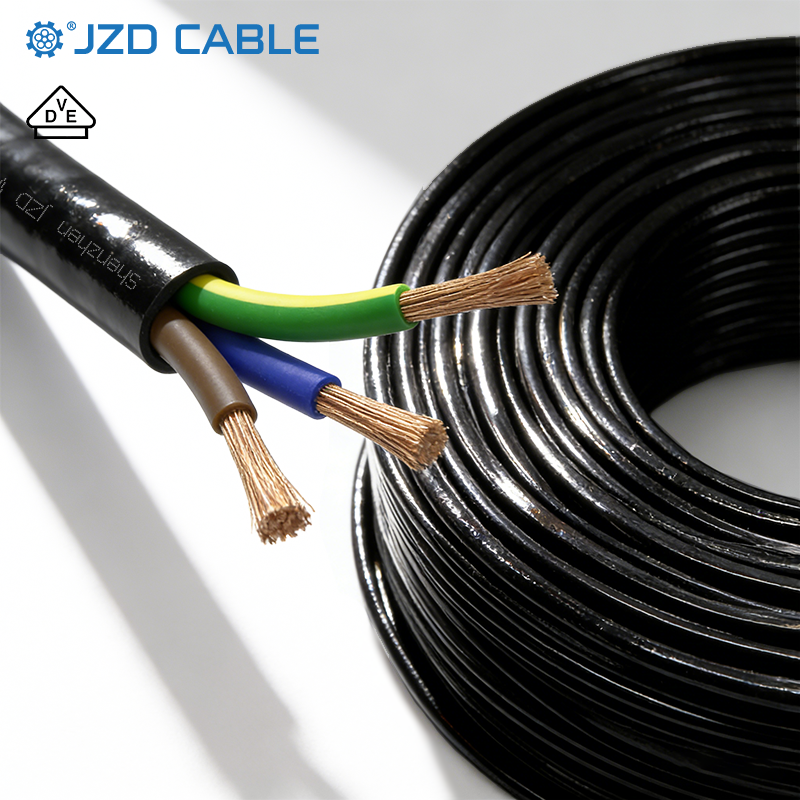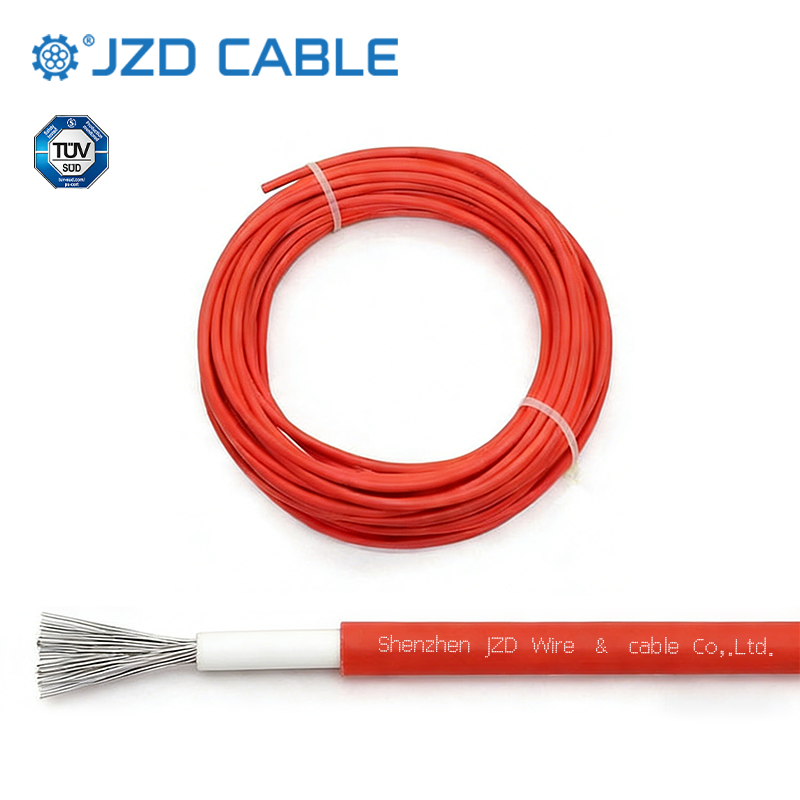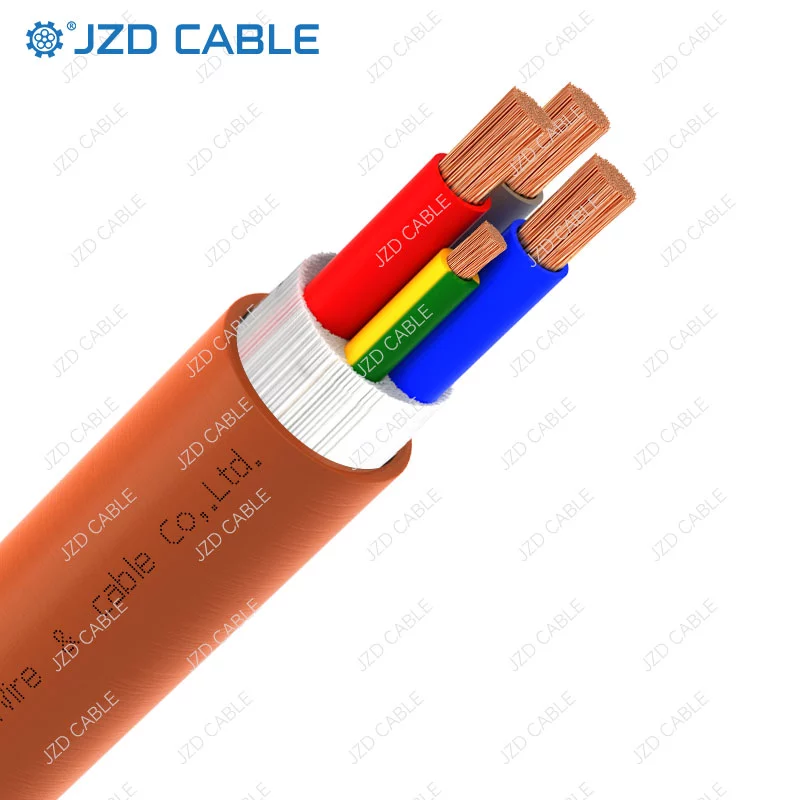



RVV cable is used for electrical equipment connections, control wiring, and installations requiring flexible cable routing. Its stranded copper conductors, PVC insulation, and outer sheath make it convenient for equipment assembly and confined wiring spaces.
However, flexibility does not automatically make a cable suitable for continuous movement. Understanding its construction, applications, and operating limits helps equipment manufacturers, contractors, and cable buyers select the right product.
What Is RVV Cable?
RVV is a cable designation used within a particular cable naming system. It generally refers to a flexible copper cable with PVC insulation and a PVC outer sheath.
1. What Do the Letters in RVV Mean?
The letters describe the cable’s basic construction:
| Letter | Meaning |
| R | Flexible conductor construction |
| V | PVC insulation |
| V | PVC outer sheath |
RVV is not a universal international cable designation. Other markets may use different product names for cables with similar construction.
2. What Is the Basic Construction of RVV Cable?
A typical RVV cable consists of three main components:
| Component | Function |
| Copper conductor | Carries electrical current; commonly stranded for flexibility |
| PVC insulation | Electrically insulates each conductor |
| PVC outer sheath | Covers and protects the assembled cores |
Many RVV products use Class 5 flexible copper conductors. The actual conductor class and construction should be confirmed in the manufacturer’s datasheet.
3. Which Standards Apply to RVV Cable?
Relevant standards include GB/T 5023.5 and IEC 60227-5, which cover specified types of PVC-insulated flexible cables. IEC 60227-5:2024 includes flexible cables with rated voltages up to 300/500 V.
Conductor requirements may also refer to GB/T 3956 or IEC 60228. However, an RVV designation alone does not establish compliance with any particular standard. Buyers should verify the applicable standard and product documentation.
4. What Is the Rated Voltage of RVV Cable?
Common product ratings include 300/300V and 300/500V, depending on the cable design and applicable standard.
The rated voltage should always be checked against the manufacturer’s technical datasheet rather than assumed from the RVV designation.
What Are the Main Applications of RVV Cable?
RVV cable is used in equipment wiring and electrical connections where flexible routing is required. Its applications include control cabinets, industrial machinery, and electrical equipment.
1. Is RVV Cable Suitable for Control Cabinets?
Control cabinets contain relays, terminal blocks, circuit breakers, and auxiliary electrical components. Their internal wiring often needs to pass through narrow spaces and follow complex routing paths.
RVV can be used for suitable internal equipment connections and auxiliary circuits. Its flexible construction helps simplify cable routing and assembly.
For circuits where electromagnetic interference may affect signal transmission, shielded RVVP cable may be a better option.
2. Can RVV Cable Be Used in Industrial Machinery?
RVV can connect electrical components in machinery and automation equipment, particularly where cables need to pass through confined spaces or connect components that may occasionally be repositioned.
Typical applications include:
- Small machinery connections
- Auxiliary wiring in automation equipment
- Internal equipment control connections
- Electrical connections requiring occasional adjustment
For cable carriers and continuously moving machinery, a dedicated high-flex cable should be considered instead.
3. Is RVV Cable Suitable for Lighting Equipment?
RVV can be used for electrical connections in lighting systems, stage equipment, and other devices requiring flexible wiring.
It is particularly useful where installation space is limited or cable routing needs to accommodate equipment layout. The rated voltage, conductor size, and environmental characteristics must still match the application.
Although RVV serves many flexible wiring applications, its suitability depends on the type of movement and operating conditions.
What Are the Flexibility Limits of RVV Cable?
RVV cable is designed for flexible wiring, but its mechanical performance depends on movement frequency, bending conditions, and the surrounding environment.
1. Can RVV Cable Handle Continuous Movement?
Conventional RVV cable is generally more suitable for fixed routing or occasional movement than repeated dynamic bending.
| Application | Suitability |
| Fixed equipment wiring | Generally suitable if ratings match |
| Occasional repositioning | May be suitable |
| Continuous cable carrier movement | Requires verification; high-flex cable is usually preferred |
| Repeated twisting or robotic movement | Dedicated dynamic cable recommended |
Repeated movement can cause conductor fatigue, insulation damage, or sheath cracking if the cable is not designed for those conditions.
2. How Does Temperature Affect RVV Cable Flexibility?
PVC flexibility changes with temperature. At low temperatures, PVC can become stiffer, increasing the risk of damage during bending.
Temperature ratings vary by product construction and applicable standard. Some products have a maximum conductor operating temperature of 70°C, but this should not be treated as a universal RVV specification.
Before installation, confirm:
- Maximum operating temperature
- Minimum installation temperature
- Resistance to oil, moisture, and weather exposure
- Suitability for the actual operating environment
3. What Is the Minimum Bending Radius of RVV Cable?
The minimum bending radius depends on cable diameter, conductor construction, and installation conditions.
Manufacturers may specify different limits for fixed installation and occasional movement, usually expressed as a multiple of the overall cable diameter (D).
There is no universal bending-radius value for all RVV cables. Always refer to the product datasheet when designing cable routes with tight bends.
When RVV does not fully meet an installation requirement, comparing it with other cable types can help identify a more suitable option.

RVV vs. RVVP vs. BVV: What Are the Differences?
These cable types differ mainly in conductor construction, shielding, and intended installation conditions.
| Cable Type | Main Construction | Typical Applications |
| RVV | Stranded copper conductors, PVC insulation and sheath | Flexible equipment wiring |
| RVVP | Stranded copper conductors, PVC insulation, shielding and sheath | Shielded control and signal wiring |
| BVV | Copper conductors, PVC insulation and sheath | Fixed electrical wiring |
1. RVV vs. RVVP: Do You Need Shielding?
The main difference is the shielding layer. RVVP includes a conductive shield to help reduce electromagnetic interference in control and signal circuits.
RVV is generally suitable when additional shielding is not required. RVVP is worth considering when nearby electrical equipment or power circuits may introduce interference.
Shielding construction can affect cable diameter and flexibility. The actual difference depends on the shielding material, braid density, and overall cable design.
2. RVV vs. BVV: Flexible or Fixed Installation?
The choice mainly depends on the installation method.
- RVV: Uses flexible stranded conductors and is suitable for equipment connections requiring easier cable routing.
- BVV: Primarily intended for fixed wiring and generally uses a more rigid conductor construction.
Neither cable is automatically better. Selection should follow the installation requirements and the specifications of the actual product.
Once the cable type is identified, the next step is to confirm its electrical ratings, conductor specifications, and installation requirements.
How to Select the Right RVV Cable for Industrial Applications
Selecting RVV cable requires matching its electrical specifications and mechanical characteristics to the equipment and installation environment.
1. How Do You Choose the Conductor Size?
Conductor cross-sectional area should be selected according to load current, cable length, installation conditions, and permissible voltage drop.
Also confirm the conductor material and class. Many RVV products use stranded copper conductors, but the exact construction should be verified.
2. How Many Cores and What Voltage Rating Are Required?
Core count depends on the equipment’s power supply, control circuits, and protective earthing requirements.
Common product ratings include 300/300V and 300/500V. The selected rating must meet the electrical system requirements and applicable product standard.
3. What Movement Requirements Should You Confirm?
Determine whether the cable will remain stationary, move occasionally, or undergo continuous flexing.
For dynamic applications, request the manufacturer’s bending-life data, permitted movement types, and test conditions. Do not assume that a flexible conductor alone makes a cable suitable for drag chain applications.
4. Are Special Shielding or Environmental Properties Required?
Consider RVVP when control or signal circuits require additional protection against electromagnetic interference.
For exposure to oil, moisture, low temperatures, or outdoor conditions, verify the cable’s environmental ratings. Standard RVV should not be assumed suitable for every industrial environment.
5. What Should Buyers Confirm Before Ordering?
Before placing an order, confirm the following specifications:
- Conductor material, class, and cross-sectional area
- Number of cores and rated voltage
- Insulation and sheath materials
- Operating and installation temperature limits
- Minimum bending radius
- Applicable standards and relevant test documentation
Providing these details helps suppliers identify a cable configuration that matches the project’s electrical and installation requirements.
JZD RVV and RVVP Cable Solutions
With over 25 years of experience in wire and cable manufacturing, JZD operates an 8,000 m² factory and supplies cable products to customers across North America, Europe, Australia, and other international markets. Its product range covers flexible cables, UL cables, low-voltage power cables, and photovoltaic cables.
1. RVV Cable for General Equipment Connections
JZD offers RVV cable options for flexible equipment wiring, with configurations based on conductor size, core count, and rated voltage.
2. RVVP Cable for Shielded Control Wiring
JZD also supplies RVVP cable for control and signal applications requiring electromagnetic interference protection, with specifications tailored to project requirements.
Contact JZD today to discuss your RVV and RVVP cable requirements and request free samples for evaluation.
Conclusion
RVV cable is suitable for many conventional equipment connections and flexible wiring applications. Its stranded copper conductors and PVC construction make installation and routing more convenient.
For continuous movement or demanding operating environments, cable selection should be based on verified mechanical and environmental performance rather than flexibility alone.