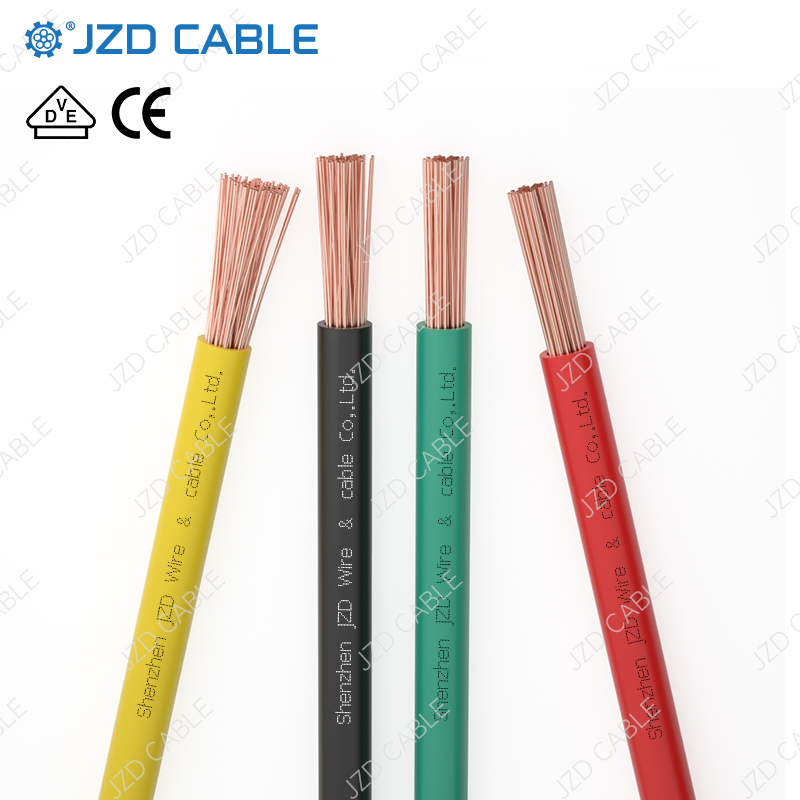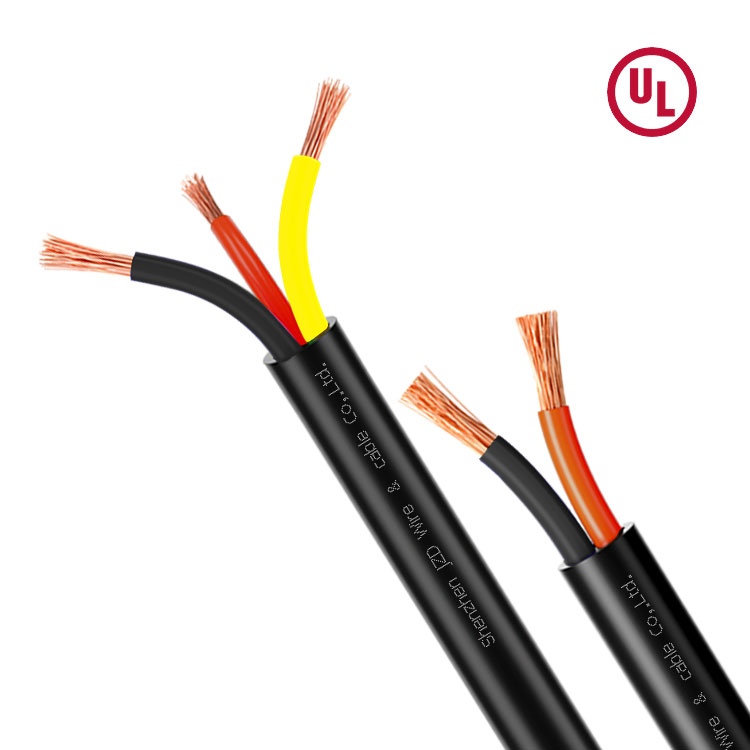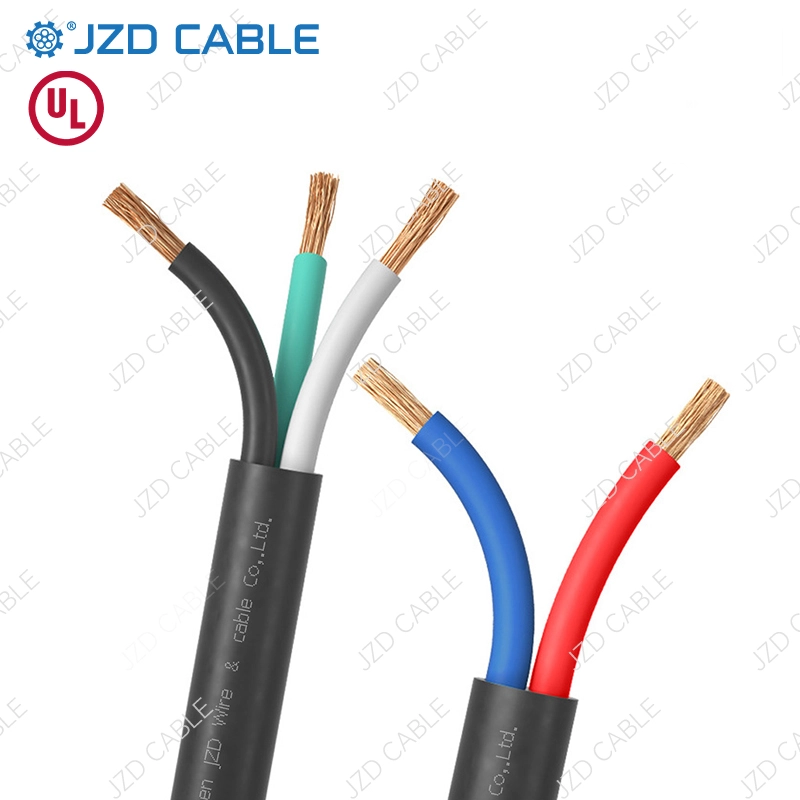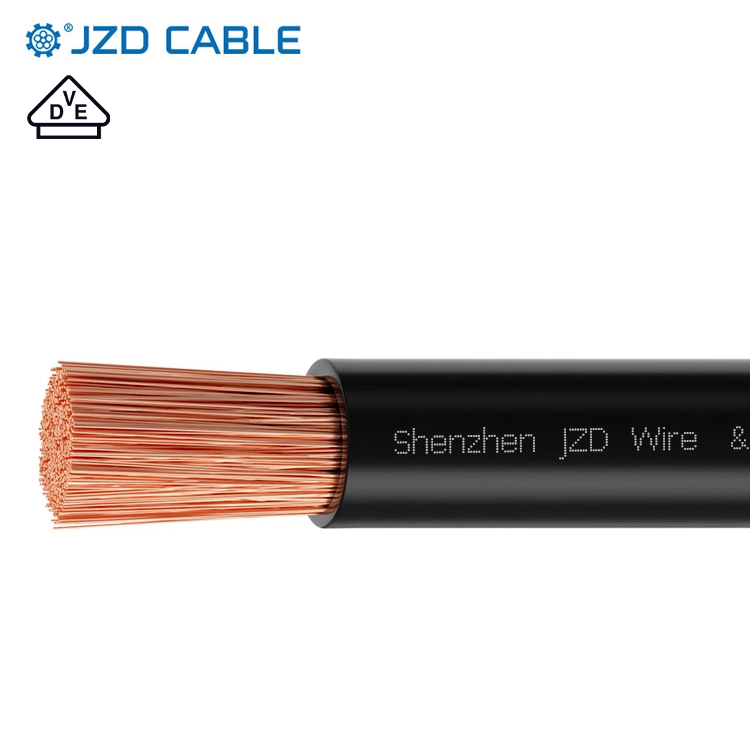


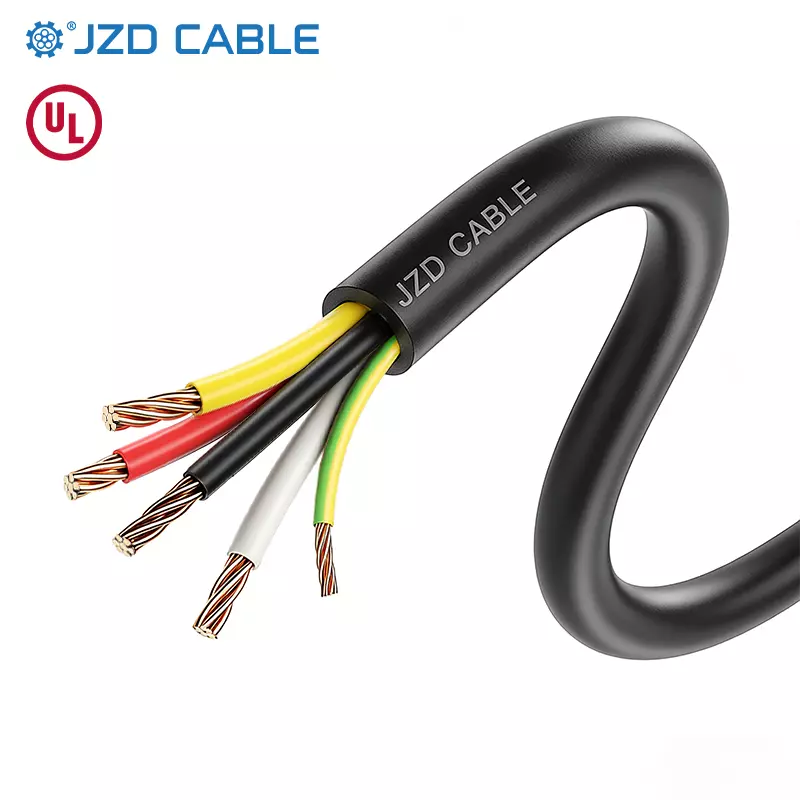
In commercial and industrial power distribution projects, the “last mile” of wiring from the cable tray to the equipment terminal is often the most time-consuming and costly part of installation. Standard tray cable is strictly limited to trays or conduits; once it leaves the tray, it must undergo the tedious process of conduit installation. TC-ER (Exposed Run) Tray Cable was designed specifically to solve this engineering pain point.
What is TC-ER Tray Cable?
TC-ER stands for Tray Cable – Exposed Run.
It is essentially a standard tray cable (listed under UL 1277) that has been given additional mechanical protection requirements. While standard tray cable is primarily used within tray systems, TC-ER must additionally pass the crush and impact tests of UL 1569. During testing, the cable must withstand crush forces of up to 1500 lbs (depending on conductor size) and an impact energy of 260 ft-lbs—the same testing standard as metal-clad (MC) cable.
This means that once the cable earns the “ER” suffix, it is permitted to be installed in open environments without conduit or tray coverage. Looking at the product specifications, our TC-ER Tray Cable features annealed copper conductors, PVC + Nylon insulation, and a PVC jacket. It is rated for 600 V and 90°C, providing the physical toughness needed to handle mechanical stress in exposed environments while ensuring reliable signal transmission.
Why Choose TC-ER Over Standard Tray Cable?
The primary driver for choosing TC-ER is installation efficiency and system reliability.
1. Eliminating Conduit Costs and Labor
Standard tray cable requires conduit once it leaves the tray, which involves high labor costs for cutting, bending, and pulling. TC-ER allows direct connection from the tray to the equipment, bypassing the complex conduit installation and significantly accelerating the project schedule.
2. Eliminating “Pull Tension” Stress
Long-distance conduit pulls require immense pulling force, which can easily damage internal copper strands or thin out the insulation layer. TC-ER is installed directly outside the tray, avoiding pull tension and preserving conductor integrity.
3. Withstanding Harsh Environments
Beyond mechanical strength, this TC-ER Tray Cable has passed -40°C cold bend and cold impact tests. It remains flexible in extreme cold, preventing the brittleness and cracking that standard plastic cables often experience.

Best Applications for TC-ER Tray Cables
Due to its conduit-free nature and robust construction, TC-ER Tray Cable offers irreplaceable engineering advantages in the following scenarios:
1. Industrial Manufacturing and Machine Tool Power
In factory workshops, TC-ER Tray Cable is ideal for connecting main trays to punch presses, CNC machines, Motor Control Centers (MCC), and automated assembly lines. Its durable PVC jacket resists oil, grease, and mechanical impacts common on the shop floor.
2. Data Centers and Server Rooms
Wiring density is extremely high under raised floors or above server racks in data centers. TC-ER Tray Cable is used to connect Power Distribution Units (PDUs), UPS systems, or HVAC equipment. Its 90°C temperature rating handles the heat buildup behind racks where equipment runs densely.
3. Outdoor Exposure and Direct Burial Transitions
Thanks to the SUN RES (Sunlight Resistant) and DIR BUR (Direct Burial) ratings, this TC-ER Tray Cable is not limited to indoor use. In solar farm array wiring, outdoor pump station power, or street lighting, it resists UV aging when exposed to direct sunlight and can be buried directly underground—offering versatile application.
4. Wind Power and New Energy Facilities
Having passed the IEEE 1202 (70,000 BTU/hr) and Canadian FT4 vertical tray flame tests, it provides high fire-safety redundancy in wind turbine towers and the dense cable bundles of battery energy storage systems.
Key Installation Considerations
Although TC-ER Tray Cable permits exposed installation, the following NEC constraints must still be observed during construction:
1. Support and Securing Intervals
According to NEC 336.30, exposed TC-ER must be secured within 12 inches of every box or termination point, and support intervals for horizontal runs must not exceed 6 feet (1.8 meters). In practice, intervals are often shortened to 3 feet when connecting to equipment or in vibrating environments. You cannot rely on the two termination points to support a long span of cable in between.
2. Bending Radius and Tray Exits
For unshielded TC-ER with an outer diameter ≤1 inch, the minimum bending radius is typically 4 times the outer diameter (if a metallic shield is present, a 7x multiplier applies). At the point where the cable exits the tray, dedicated support must be provided to prevent the jacket from deforming under stress or being cut by sharp tray edges.
3. Ampacity and Derating
While TC-ER Tray Cable dissipates heat well in open air outside a tray, it must still be derated per NEC Table 310.15(C)(1) when bundled with multiple cables inside a cabinet. Additionally, even if the insulation is rated 90°C, if the connected equipment terminals are only rated for 75°C, the final ampacity must be based on the 75°C column.
Conclusion
TC-ER Tray Cable breaks the dependency on conduit for standard tray cable through UL 1569 mechanical testing. Its PVC/nylon construction, extreme cold adaptability, and dual SUN RES/DIR BUR ratings make it a highly cost-effective wiring solution for modern industrial, data center, and new energy projects.
For TC-ER Tray Cable specifications or technical documents that meet UL 1277 listing and hold SUN RES and DIR BUR certifications, please contact us.