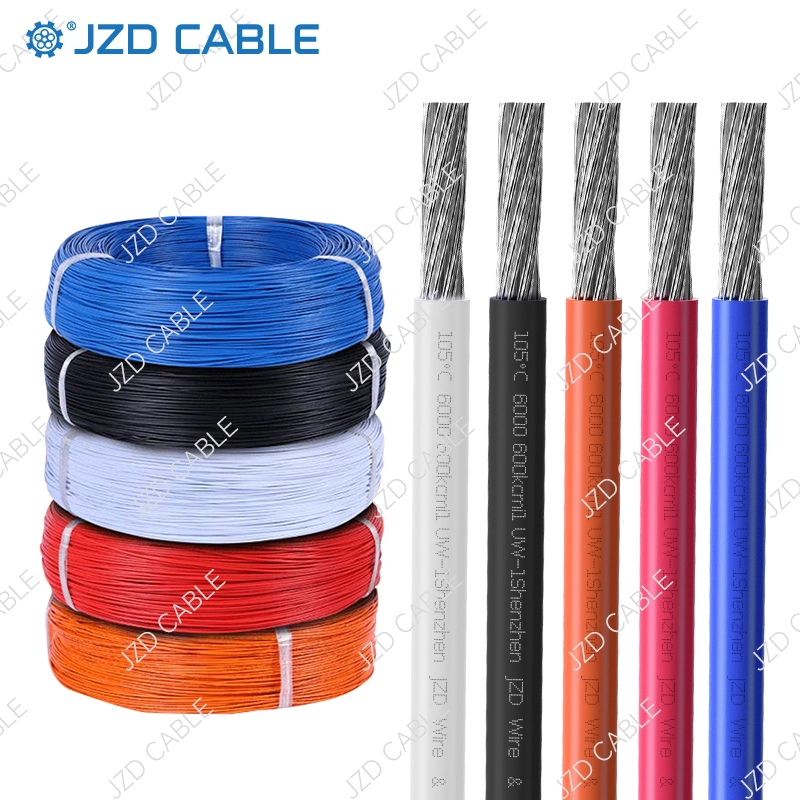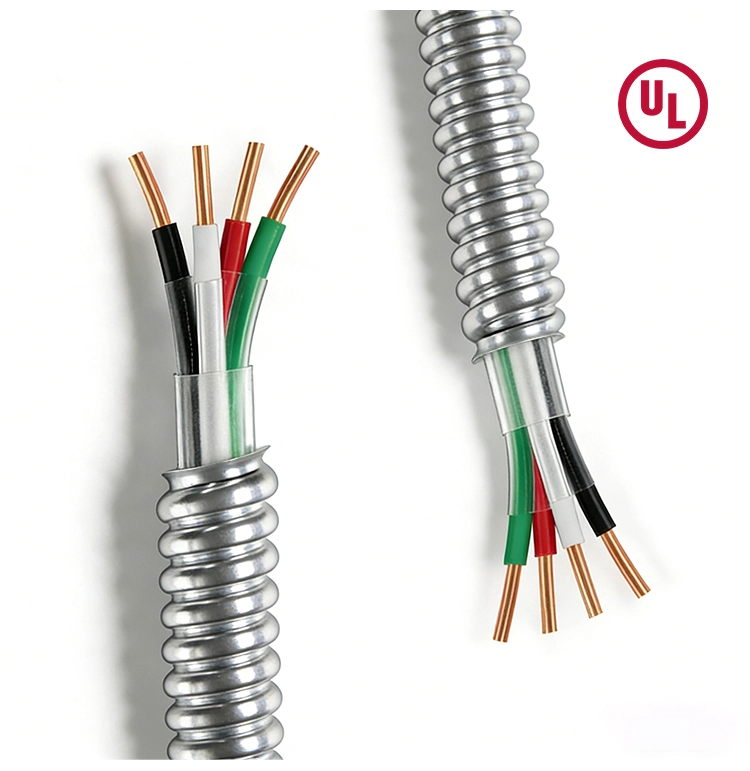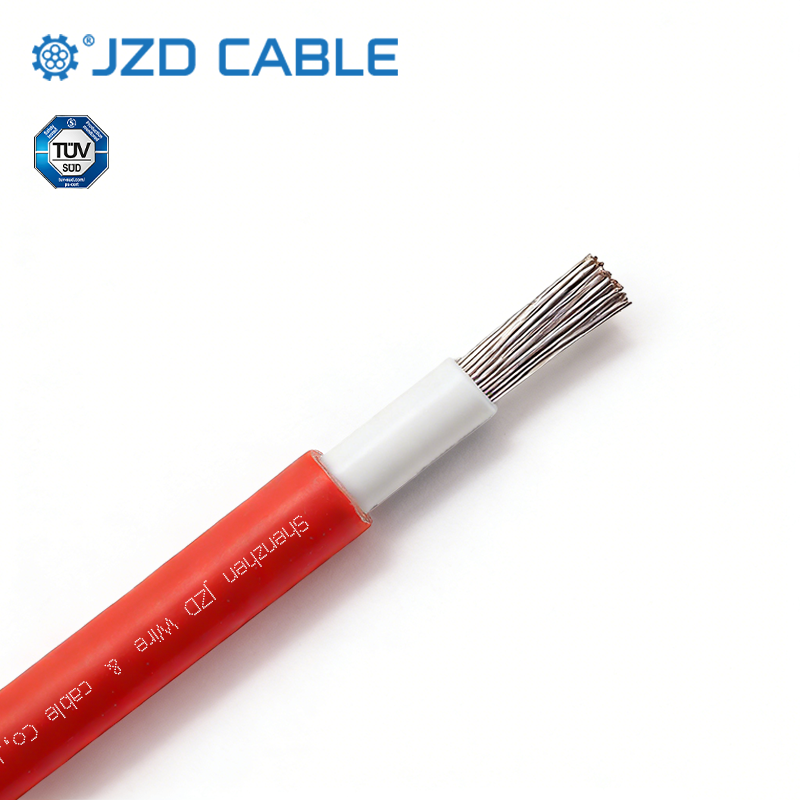


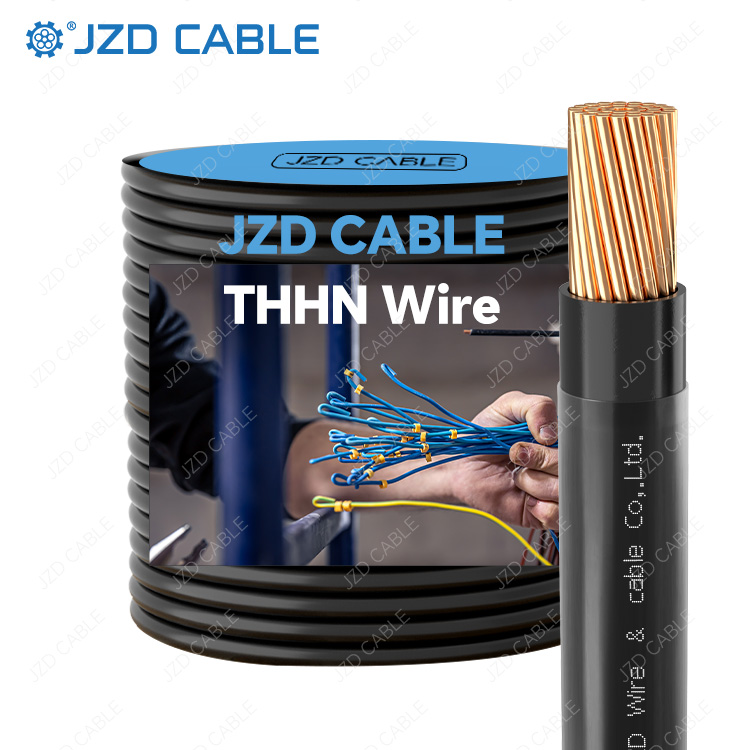
If you’ve had THHN wire rejected for the wrong certification mark, received cable that doesn’t match the drawings, or struggled with wire too stiff to pull through conduit, you already know the surface similarities can be misleading. Philippine standard THHN and American standard THHN look alike—copper, PVC, nylon jacket, 600V, 90°C—but they’re not the same.
If you’re looking for a clear breakdown of US-standard THHN and Philippine-standard THHN—how they differ in standards, certification, sizing, and real-world use—this guide covers what actually matters before you make a choice.
What Makes THHN Wire Different
THHN construction isn’t complicated, but every layer has a job to do.
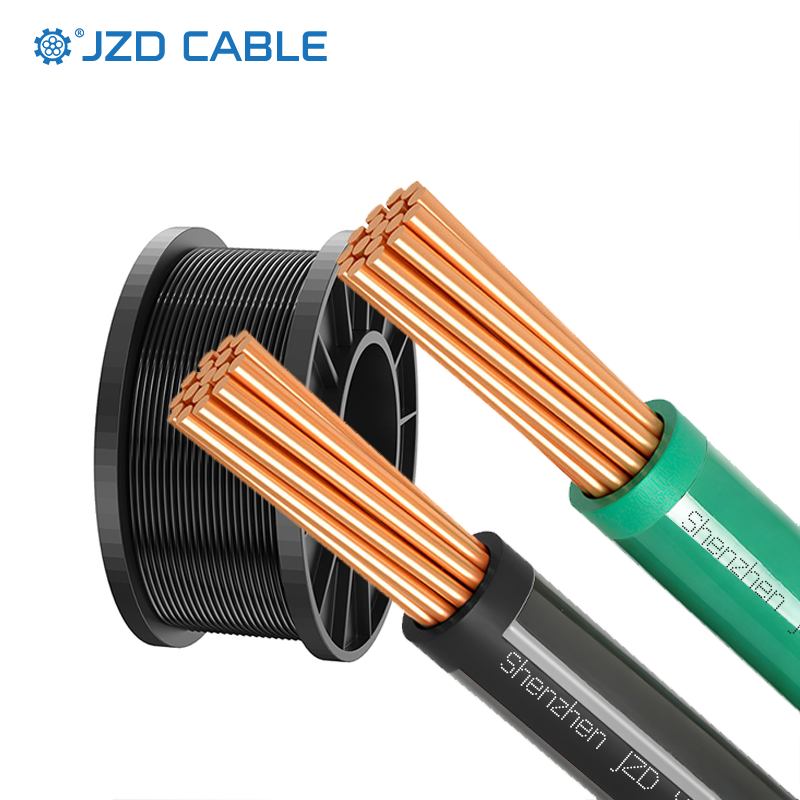
The copper conductor carries the current. It comes in solid and stranded forms. Solid is cheaper and easier to terminate, but it’s stiff—fine for straight runs, painful for anything with bends. Stranded bends much more easily, which is why it’s the default choice for complicated conduit paths.
Then there’s the PVC insulation, the layer that gives THHN its 90°C dry-location rating. That’s what the “HH” stands for.
The nylon jacket on top is what most people notice first. It makes a real difference during conduit pulls—less friction, less abrasion. Anyone who’s pulled both nylon-jacketed and non-nylon wire through a long run knows exactly knows the difference immediately.
And the THWN-2 dual rating? In the Philippines, that’s not a luxury. Outdoor and underground conduits stay damp for most of the rainy season. Without THWN-2, a lot of installations simply wouldn’t be code-compliant.
One thing to keep in mind: THHN is building wire. It lives inside conduits and cable trays. It’s not a flexible cord, it’s not for mobile equipment, and it’s definitely not meant to sit in direct sunlight.
The Philippine Standard: PNS 35:2021
Here’s the short version: no BPS certification, no legal market access.
Since July 2023, THHN/THWN-2 has been a mandatory certification product in the Philippines. Local products need the PS Mark. Imported products need the ICC Sticker. These aren’t optional badges—they’re entry requirements. No ICC Sticker at customs? The shipment gets held. No PS Mark at inspection? The material gets rejected. Plenty of people have learned this one the hard way.
Philippine standard THHN falls under PNS 35:2021, covering 600V thermoplastic-insulated copper conductors. The standard spells out everything from conductor construction to jacket performance. But for most project teams, the real question isn’t what’s in the standard—it’s whether the product has the right mark on it.
Size Notation: Why mm² Matters
Philippine THHN uses metric sizes. In residential work, 2.0 mm² and 3.5 mm² handle most lighting and outlet circuits. Commercial feeders step up to 8.0 mm², 14 mm², and 22 mm². Industrial loads push into 30 mm² and beyond.
The important thing is that these sizes match the breakers, terminals, and drawings used locally. If a drawing calls for 3.5 mm² and you’ve got 12 AWG on hand, the two look close. But they aren’t the same. Terminal sizing, ampacity calculations, inspection standards—all of it is tied to the original system. Mixing them creates problems you won’t see until later.
The American Standard: UL 83
American THHN runs on UL Listing.
UL 83 covers THHN, THWN, and THWN-2. A UL Listing means the product consistently meets the standard and can be used under NEC conditions. On US-based projects or international work that follows UL specs, this is the hard requirement.
Size Notation: The AWG System
Sizing follows AWG. Residential and commercial work typically uses 14 AWG, 12 AWG, and 10 AWG. Larger feeders step up to 8 AWG and 6 AWG, then into 1/0 AWG and beyond. AWG is woven into NEC ampacity tables and North American equipment design.
Conductor material and insulation structure? The two standards aren’t dramatically different there. What separates them is certification and sizing convention. It’s not about which is better—it’s about what the project actually requires.
Key Differences at a Glance
| Comparison | Philippine Standard THHN | American Standard THHN |
| Governing standard | PNS 35:2021 | UL 83 |
| Market access | BPS mandatory certification (PS Mark / ICC Sticker) | UL Listing |
| Voltage rating | 600V | 600V |
| Temperature rating | 90°C dry / 90°C wet (THWN-2) | 90°C dry / 90°C wet (THWN-2) |
| Size notation | mm² | AWG |
| Conductor construction | Solid or stranded copper; stranded from 2.0–500 mm² | Copper or aluminum; wide AWG range |
| Installation code | Philippine Electrical Code | NEC |
Certification decides whether you can use it. Size decides whether it fits. Conductor construction decides how smoothly the pull goes.
Real-World Scenarios in Philippine Projects
1. Local Residential or Commercial Buildings
Drawings follow Philippine standards, sizes in mm². This one’s simple: use Philippine standard THHN with the PS Mark or ICC Sticker. Inspectors look for the mark. No mark, no pass.
2. Foreign-Funded Projects with US-Based Design
If the drawings use AWG and the spec calls for UL Listing, American standard THHN/THWN-2 is the answer. Just make sure the imported material clears BPS compliance—otherwise it sits in customs while the schedule slips.
3. Wet or Damp Conduit Installations
Whichever standard you’re working with, the product marking must include THWN-2. Philippine outdoor and underground conduits stay wet for months during the rainy season. Without the dual rating, the wire doesn’t belong there.
4. Long Pulls or Conduits with Many Bends
Go stranded. The flexibility difference is night and day on complex routes, and the nylon jacket takes less wear. Solid is cheaper, but on a run with multiple bends, the labor savings disappear fast.
5. Availability on the Ground
BPS-certified products in common mm² sizes are well stocked locally. American standard AWG products have thinner availability in the Philippines, especially in larger sizes. Check lead times before you commit to a schedule.
For teams juggling both local and US-spec work, JZD supplies THHN/THWN-2 from 14 AWG to 4/0 AWG (metric equivalent 2.0–120 mm²), with either Philippine BPS certification or US UL Listing depending on what the project needs. That kind of dual coverage eliminates a lot of the usual back-and-forth.
FAQ
1. “UL Listed Means It’s Fine for the Philippines”
Customs sees it differently. Imported cable without an ICC Sticker gets held—UL Listing or not. UL proves compliance with US standards. The Philippines has its own system under BPS. One doesn’t replace the other.
2. “mm² and AWG Are Interchangeable with a Conversion Table”
Conversion tables help you understand approximate sizes. They’re not for engineering substitutions. Ampacity, terminal fit, conduit fill—all of it depends on the original system. Mixing sizes might not fail immediately, but it turns into heat and reliability problems over time.
3. “THHN Can Be Used Outdoors”
The nylon jacket doesn’t resist UV. THHN belongs inside conduit. Outdoor exposed runs need a different cable type. It’s not about quality—it’s about matching the product to the environment.
4. “All THHN Is Automatically THWN-2”
Dual certification is common, but never assume. Before using any cable in a wet location, check the marking for THWN-2. It takes ten seconds. The problems it prevents can cost weeks of schedule.
Final Thoughts
What standard does the project follow? What size system do the drawings use? What marks are actually on the product? Nail those three answers, and the selection handles itself.
Philippine and American THHN differ mainly in standards, certification, and sizing. PNS 35:2021 and BPS align with local compliance; mm² matches local components. UL 83 and UL Listing serve US and UL-based projects; AWG fits that equipment ecosystem. Performance-wise, both rely on nylon jackets and THWN-2 dual ratings for conduit pulls and wet conditions—but they’re built for different markets and different rules.
Need THHN/THWN-2 for Philippine or US-standard projects? Contact us today to discuss your requirements or request free samples.