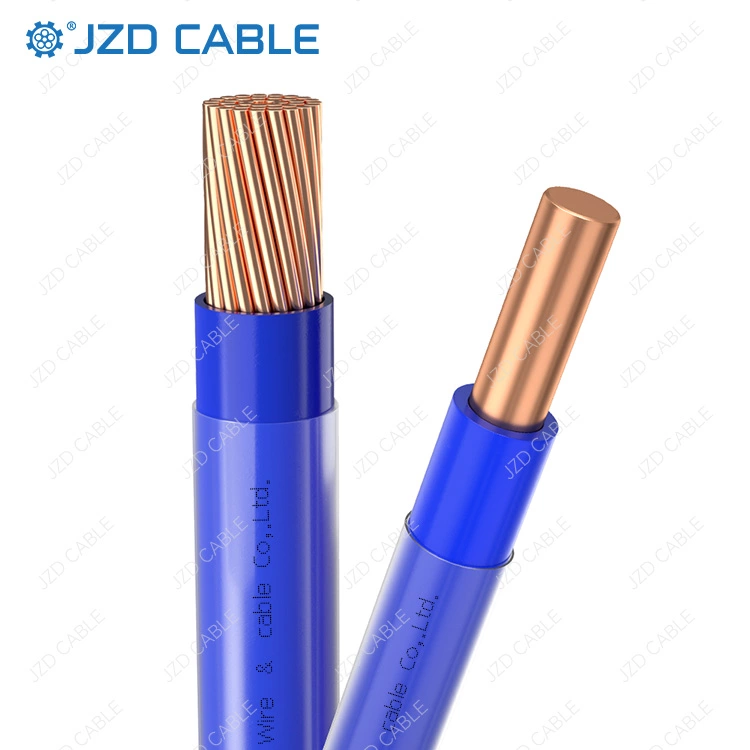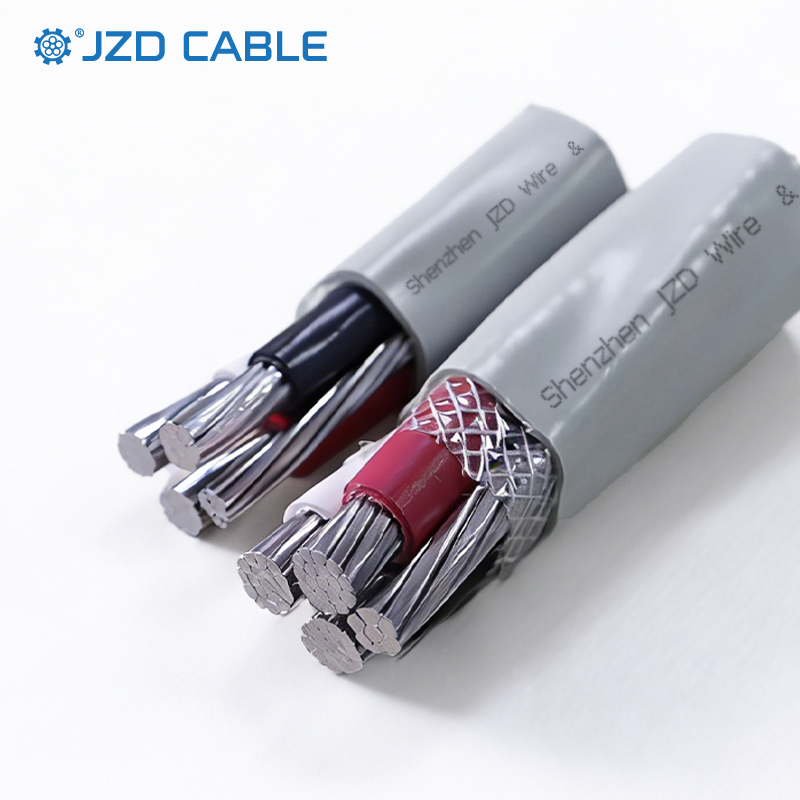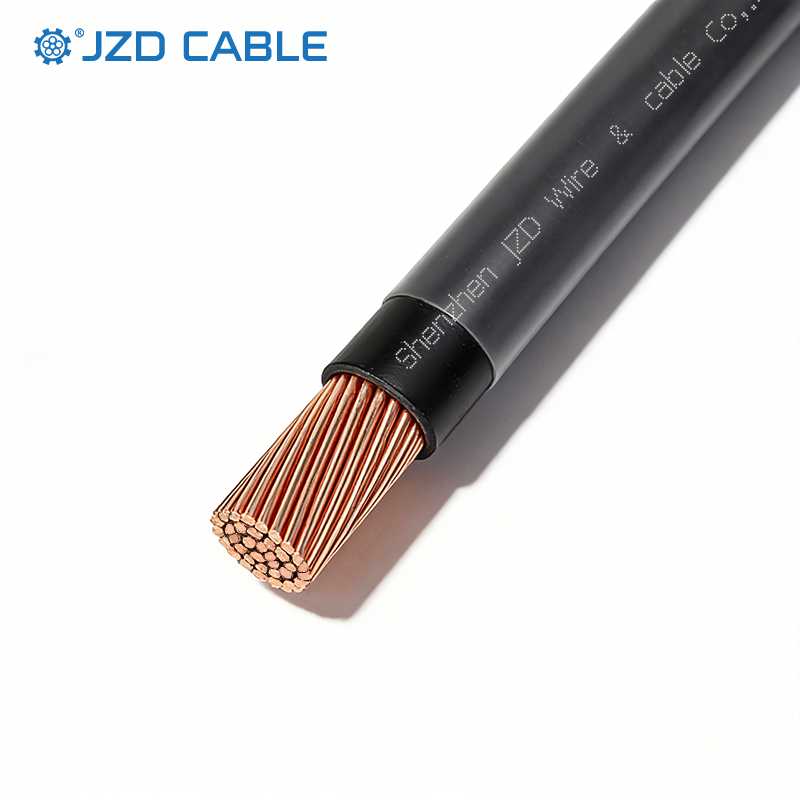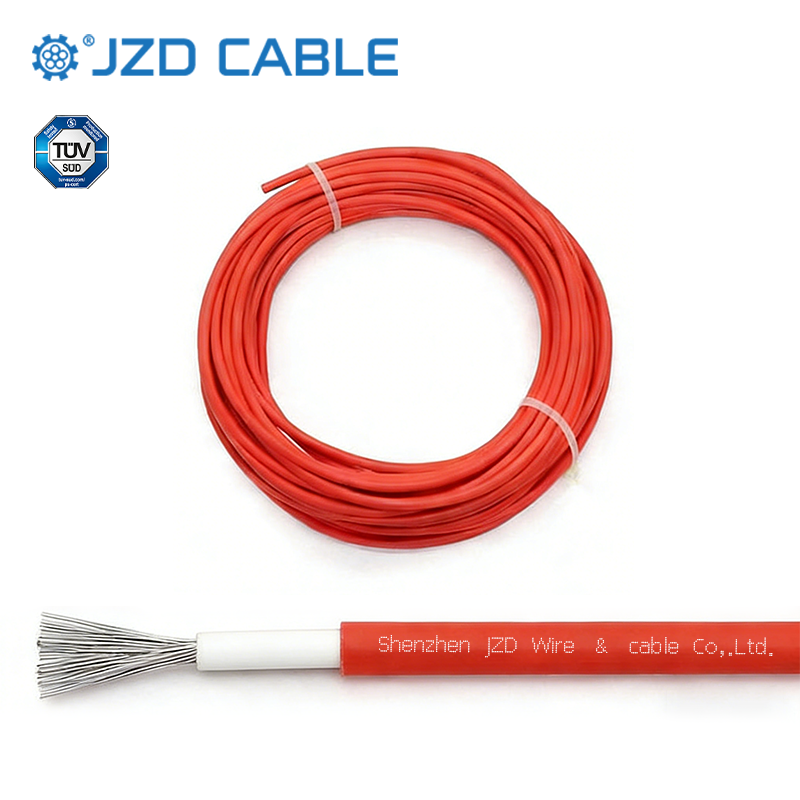


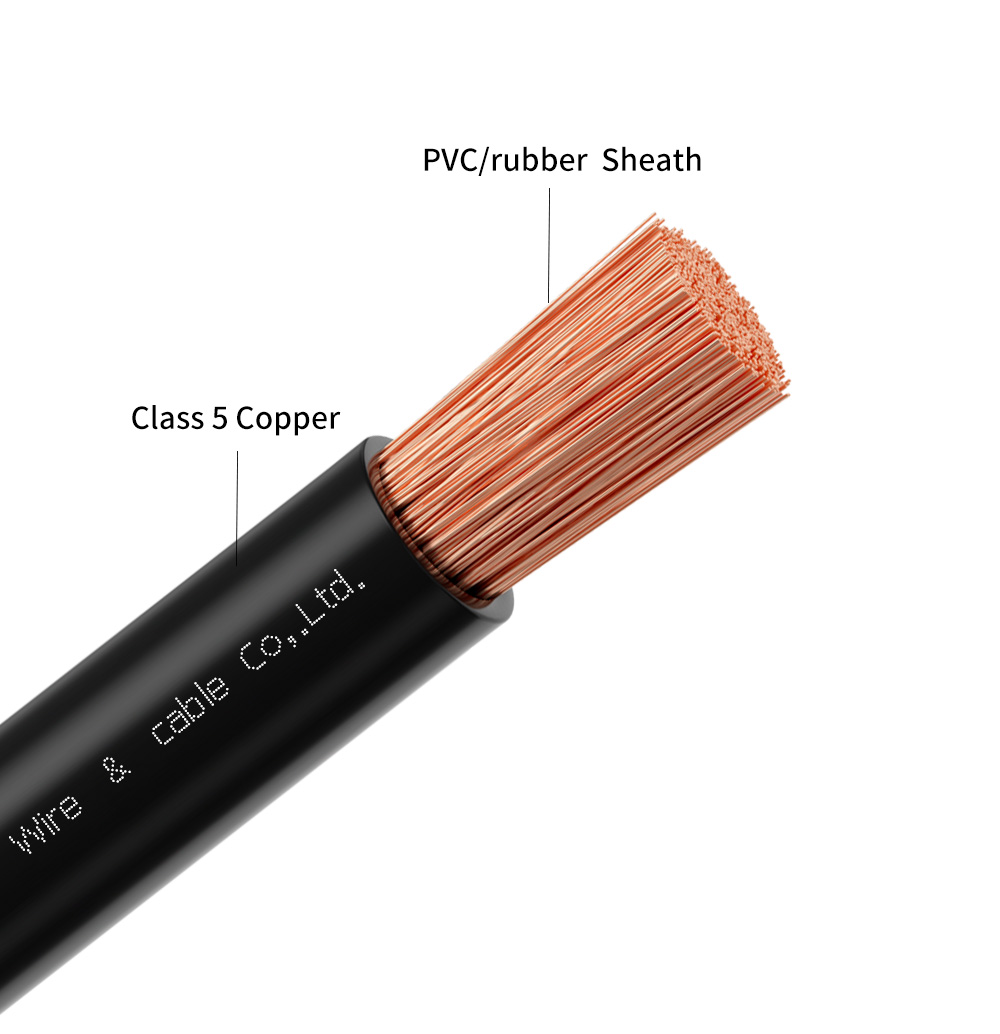
Walk into any fab shop, shipyard, or construction site and you’ll see thick, flexible, single-core welding cables snaking from the machine to the electrode holder. But not all welding cables are created equal. Two materials dominate the jacket/insulation: PVC and rubber. To the untrained eye they look similar — both are black, both are flexible, both carry the same copper conductor. But under the surface, they behave very differently when exposed to heat, oil, cold, UV, and the daily abuse of a welding environment.
Choosing wrong doesn’t just mean a shorter cable life — it can mean cracked jackets, exposed conductors, shock risk, and failed welds. This guide breaks down PVC vs rubber welding cable across every dimension that matters on the job site, so your next BOQ gets it right the first time.
What Is a Welding Cable?
Both PVC and rubber welding cables share the same core DNA:
- Conductor: Class 6 ultra-fine stranded annealed copper (or tinned copper), per IEC 60228 / IEC 60245-6 / GB/T 5013.6
- Voltage rating: Typically 450/750V or 600V (secondary side of welding power source)
- Single core — no built-in earth
- Duty cycle dependent ampacity — welding cables are rated by duty cycle (100% / 80% / 60% / 40% over a 5-minute window)
- Serving as: Electrode lead (from welder to electrode holder) and ground lead (from welder to work piece)
The only real difference is the insulation and jacket material: PVC (thermoplastic) vs rubber (thermoset EPDM / natural rubber / chloroprene).
Decoding the Model Codes
|
Code
|
Meaning
|
|---|---|
|
YH (China GB/T 5013.6)
|
Y = Rubber sheath, H = Welding. Natural rubber sheath, indoor use, ≤65°C
|
|
YHF (China GB/T 5013.6)
|
YH + F = Chloroprene (neoprene) sheath, outdoor use, ≤70°C, superior oil/solvent resistance
|
|
60245 IEC 81
|
International equivalent of YH (natural rubber)
|
|
60245 IEC 82
|
International equivalent of YHF (chloroprene/synthetic elastomer)
|
|
H01N2-D
|
European harmonised rubber welding cable, PCP sheath, 85°C
|
|
PVC welding cable
|
No single universal code — often labelled simply as “PVC welding cable” or “welding cable, PVC type”, ≤65°C working temp
|
📌 Key takeaway: In the rubber family, YH = indoor natural rubber and YHF = outdoor neoprene (oil-resistant). PVC has no such split — it’s one material, and its performance ceiling is lower than rubber in almost every harsh-environment metric.
Full Side-by-Side Comparison
|
Parameter
|
PVC Welding Cable
|
Rubber Welding Cable (YH – natural rubber)
|
Rubber Welding Cable (YHF – neoprene)
|
|---|---|---|---|
|
Insulation/Jacket material
|
PVC (thermoplastic)
|
Natural rubber (thermoset)
|
Chloroprene / neoprene (thermoset)
|
|
Max conductor temp (continuous)
|
~65–70°C
|
≤65°C
|
≤70°C
|
|
Cold flexibility
|
Poor — stiffens below –10°C, cracks in deep cold
|
Good — flexible to –25°C
|
Excellent — flexible to –30°C to –40°C
|
|
Oil & grease resistance
|
Low to moderate — swells and softens in oil mist
|
Moderate — better than PVC but not oil-rated
|
High — chloroprene repels oil, hydraulic fluid, diesel splash
|
|
Abrasion resistance
|
Moderate
|
Good — withstands dragging over concrete/steel
|
Outstanding — best-in-class abrasion, crush, and cut resistance
|
|
UV / outdoor
|
Poor — embrittles and cracks within months of sun exposure
|
Good for indoor; YHF required for outdoor
|
Excellent — UV-stable for years
|
|
Flame retardancy
|
VW-1 standard, self-extinguishing
|
Self-extinguishing (IEC 60332-1-2)
|
Self-extinguishing, superior to PVC
|
|
Weld spatter resistance
|
Melts/splits under hot spatter
|
Resists brief spatter contact up to ~300°C
|
Best — deflects molten metal, extra-thick versions available
|
|
Flex life (coiling/uncoiling)
|
Moderate — work-hardens, cracks at bend points
|
High — millions of flex cycles
|
Very high — rubber “memory” returns to shape after crushing
|
|
Relative cost
|
Lowest — budget champion
|
Mid-range
|
Mid-to-high
|
|
Best application
|
Indoor fab shop, light-duty welders, budget projects, dry clean environment
|
Indoor heavy welding, shipyard (indoor bays), automated welding cells
|
Outdoor construction, shipyard decks, oil-field welding trucks, mining, anywhere with oil/UV/abrasion
|
|
Service life (daily industrial use)
|
1–3 years
|
5–10 years
|
5–10+ years
|
Four Differences That Actually Matter on the Job Site
1. Temperature Range — The 20°C to 30°C Gap
- PVC: Tops out at ~65–70°C conductor temperature . Below –10°C it stiffens and cracks . A PVC welding cable left outdoors in a Canadian winter or a desert summer will fail fast.
- Rubber (YH): ≤65°C continuous, but stays flexible down to –25°C . Rubber’s thermoset molecular structure doesn’t go brittle like PVC.
- Rubber (YHF / neoprene): ≤70°C, flexible to –30°C to –40°C . This is the cable you want for Arctic pipelines, alpine construction, or unheated shipyard bays in January.
Impact: If your welders work outdoors in winter or in hot climates, PVC is a non-starter. Rubber (specifically YHF) is the only sane choice.
2. Oil & Chemical Resistance — Where PVC Dies
Welding environments are filthy: hydraulic lines leak, gearboxes weep oil, diesel generators sit next to the weld bench.
- PVC: Swells and softens on contact with oil, grease, and hydraulic fluid. Within weeks of exposure, the jacket chalks, cracks, and exposes the conductor .
- YH (natural rubber): Better than PVC but still not oil-rated. Prolonged oil immersion will degrade it .
- YHF (neoprene): Specifically formulated for oil resistance . Resists hydraulic fluid, cutting oil, diesel splash, and most solvents. This is why shipyard decks, oil-field welding trucks, and mining equipment almost universally spec YHF rubber.
⚠️ Rule of thumb: Anywhere oil is present → YHF rubber. PVC or YH will fail prematurely.
3. Abrasion & Mechanical Abuse — Rubber Wins Decisively
Welding cables get dragged across concrete, steel decking, sharp plate edges, and under forklift wheels.
- PVC: Moderate abrasion resistance . A sharp edge or a run-over by a forklift will slice it open.
- Rubber (YH/YHF): Outstanding abrasion, crush, and cut resistance . Neoprene (YHF) is the gold standard — it takes impact, bounces back, and resists tearing. Withstands weld spatter up to ~300°C briefly .
Impact: On a busy job site with constant movement, PVC may need replacement 2–3× per year. Rubber typically lasts 5–10 years .
4. Cost vs Lifecycle — PVC Looks Cheap Until You Do the Math
|
3-Year Cost View
|
PVC Welding Cable
|
Rubber Welding Cable (YHF)
|
|---|---|---|
|
Upfront cost (per metre)
|
$1.00 (baseline)
|
1.80–2.50
|
|
Replacements in 3 years (heavy use)
|
2–3×
|
0–1×
|
|
Total 3-year cost
|
3.00–4.00
|
1.80–2.50
|
|
Downtime & safety risk
|
Higher (cracks, shock risk)
|
Lower
|
For light indoor duty (a small MIG welder in a climate-controlled fab shop), PVC’s lower upfront cost is rational — it’ll last long enough. For any outdoor, oily, or heavy-use scenario, rubber pays for itself within the first year through avoided replacements and reduced failure risk.
Application Decision Tree
|
Scenario
|
Recommended
|
Why
|
|---|---|---|
|
Small MIG/TIG welder, indoor fab shop, climate-controlled
|
PVC welding cable
|
Cheapest, adequate for clean indoor light duty
|
|
Indoor heavy stick welding, shipyard indoor bays
|
Rubber (YH)
|
Handles heat, spatter, frequent coiling
|
|
Outdoor construction, pipeline welding, bridge work
|
Rubber (YHF – neoprene)
|
Cold-flexible, UV-stable, abrasion-proof
|
|
Shipyard deck, oil-field welding truck, mining equipment
|
Rubber (YHF – neoprene)
|
Oil-resistant + abrasion + UV all in one
|
|
Automated welding cell / robotic weld arm
|
Rubber (YHF)
|
Millions of flex cycles, rubber “memory”
|
|
Budget project, temporary use (<6 months)
|
PVC welding cable
|
Cheapest for short-term
|
|
Marine / offshore welding
|
Rubber (YHF – neoprene)
|
Salt spray + UV + oil — PVC fails in months
|
|
Welding in below –20°C environment
|
Rubber (YHF)
|
PVC cracks immediately; YH borderline; YHF proven to –40°C
|
Sizing Your Welding Cable — A Quick Reference
Regardless of PVC vs rubber, the conductor cross-section must match your welder’s output current and duty cycle. Based on IEC 60245-6 / GB/T 5013.6 data :
|
Welder Rated Current
|
Recommended Cross-Section (100% Duty Cycle)
|
|---|---|
|
≤160A
|
16 mm²
|
|
250A
|
25 mm²
|
|
315A
|
35 mm²
|
|
400A
|
50 mm²
|
|
500A
|
70 mm²
|
Note: At higher duty cycles (40–60%), you can downsize — e.g., a 250A welder at 60% duty can use 16 mm². Always verify with your specific welder’s manual.
Common AWG equivalents stocked: 6 AWG, 4 AWG, 2 AWG, 1 AWG, 1/0, 2/0, 3/0, 4/0, up to 500 MCM .
FAQ
Q: Can I use PVC welding cable outdoors temporarily?
A: For a few days or weeks, yes. But PVC embrittles under UV within months — surface cracking lets moisture reach the copper, causing corrosion and resistance heating. For anything beyond a short-term outdoor job, use YHF rubber.
Q: Is rubber welding cable worth the 2× price premium?
A: In harsh environments, absolutely. Rubber (especially YHF) lasts 5–10× longer than PVC in outdoor/oily/abrasive conditions , making the effective cost-per-year far lower. For clean indoor light duty, PVC is fine.
Q: What does “YH” vs “YHF” mean exactly?
A: YH = natural rubber sheath, indoor use, ≤65°C . YHF = chloroprene (neoprene) sheath, outdoor use, oil-resistant, ≤70°C . When in doubt, choose YHF — it’s the more capable all-rounder.
Q: Can welding cable be used for other high-current applications?
A: Yes — Class 6 ultra-flex stranding makes it suitable for battery interconnects, EVSE extension leads, and temporary power distribution. But always observe the voltage rating (450/750V or 600V) and consult local codes.
Q: Bare copper or tinned copper for welding cable?
A: For dry indoor use, bare copper is fine. For outdoor, marine, or humid environments, tinned copper prevents oxidation and green corrosion on the fine strands, extending connection life significantly.
Q: What size range is available?
A: Typically 10 mm² to 240 mm² (AWG 8 to 500 MCM) . Below 10 mm², the cable is too flimsy for welding currents; above 240 mm², it becomes too stiff to coil practically.
Why Choose JZD Cable for Your Welding Cable Needs?
At JZD Cable, we manufacture both PVC and rubber welding cables to international standards, so you can source the entire range from one trusted partner:
- Conductor: Class 6 stranded bare or tinned copper, 10–95 mm² (AWG 8 – 3/0)
- Insulation/Jacket: Flame-retardant PVC
- Voltage: 450/750V or 600V
- Standards: IEC 60245-6, GB/T 5013.6
- Best for: Indoor fab shops, light-duty welders, budget projects
- Rubber Welding Cable (YH – natural rubber):
- Conductor: Class 6 ultra-fine tinned copper
- Sheath: Natural rubber compound, ≤65°C
- Indoor-grade welding duty
- Standards: 60245 IEC 81 / GB/T 5013.6 (YH)
Rubber Welding Cable (YHF – neoprene):
- Conductor: Class 6 ultra-fine tinned copper, 10–240 mm² (AWG 8 – 500 MCM)
- Sheath: Chloroprene (neoprene) — oil-resistant, UV-stable, cold-flexible to –40°C
- Voltage: 450/750V or 600V
- Standards: 60245 IEC 82 / GB/T 5013.6 (YHF) / EN 50525-2-81 (H01N2-D equivalent)
- Best for: Outdoor, shipyard, oil-field, mining, automated welding cells
All available in black, red, orange, yellow, blue — custom colours on request. Cut-to-length reels or full drums. Bare or tinned copper. Mill test reports provided.
📩 Not sure which welding cable your project needs?
Contact the JZD team at https://jzdcable.com/contact-us/ — tell us your welder’s output current, duty cycle, indoor/outdoor, oil exposure, and temperature range, and we’ll recommend the optimum cable type and gauge.