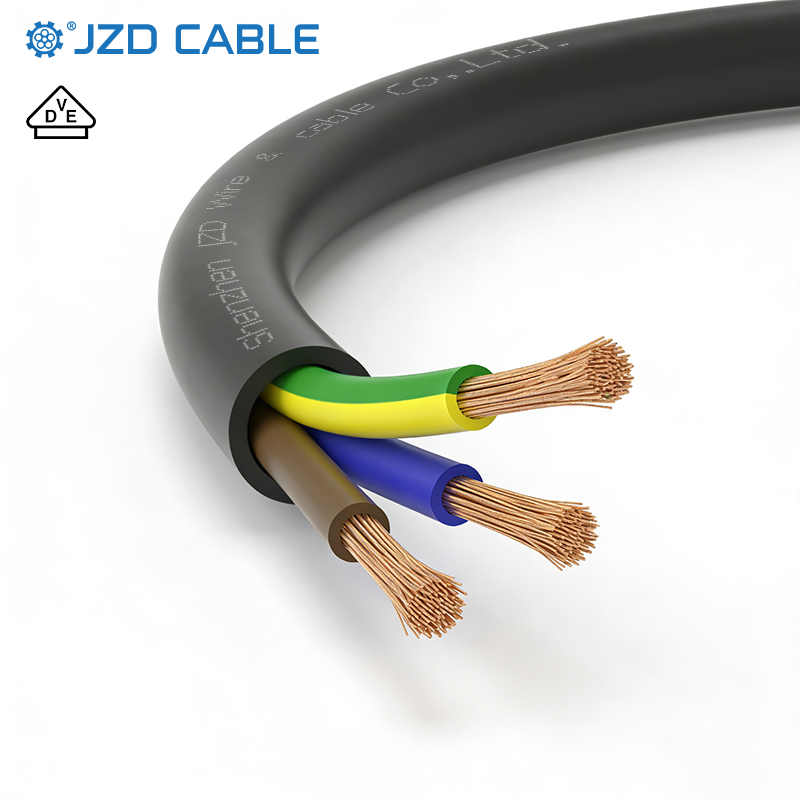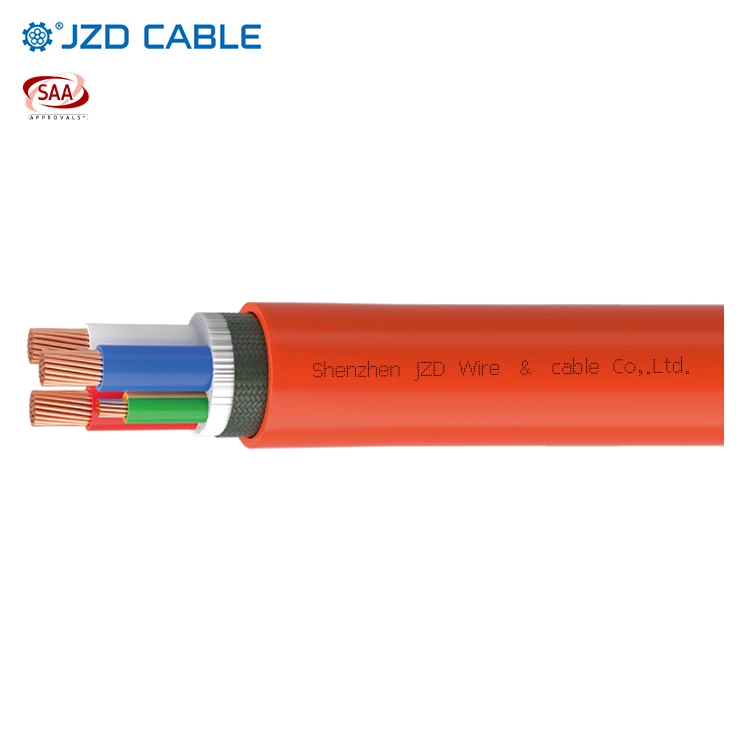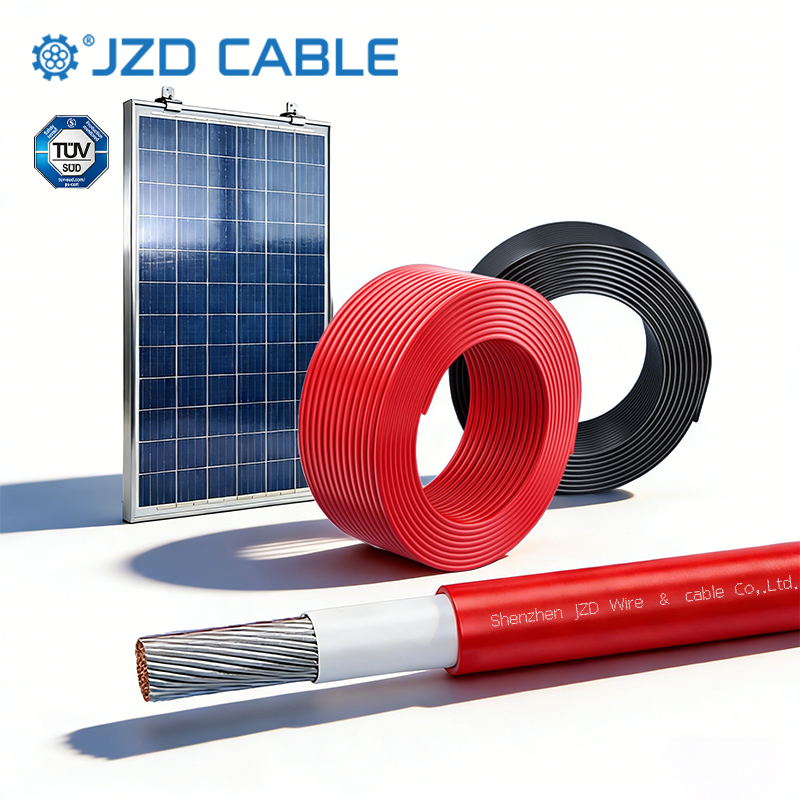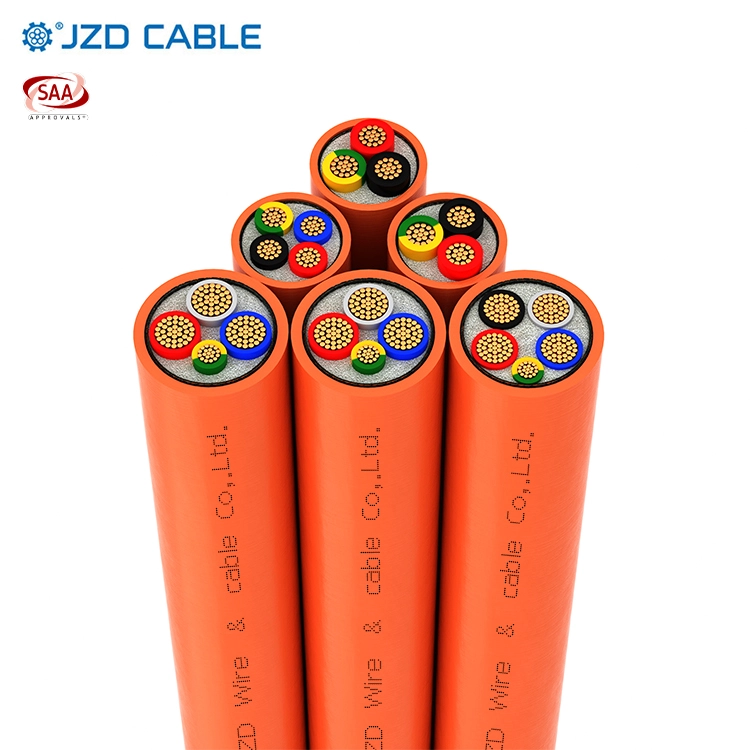


In the world of 600V electrical wiring, both THWN-2 and USE-2 are common specifications. However, confusing them can lead to code violations or premature failure. While both are rated for 90°C in wet locations, they are engineered for fundamentally different environments. The core distinction lies in their construction: THWN-2 is a protected conduit wire, while USE-2 is a self-protected outdoor cable. This guide will clarify their differences, helping you choose the right product for your indoor or outdoor project.
Core Definitions & Governing Standards
Understanding the basic identity and standard of each wire is the first step.
1.THWN-2 (Thermoplastic Heat and Water-resistant Nylon-coated -2):
- Standard: UL 83 (Thermoplastic-Insulated Wires). This is the standard for general-purpose building wire.
- Construction: It features a PVC (Polyvinyl Chloride) insulation with a thin, tough Nylon outer jacket. The “2” denotes its 90°C wet/dry rating. Its design assumes installation within a protective raceway.
2.USE-2 (Underground Service Entrance -2):
- Standard: UL 854 (Service-Entrance Cable). This is the standard for cables designed for direct burial and service entrance applications.
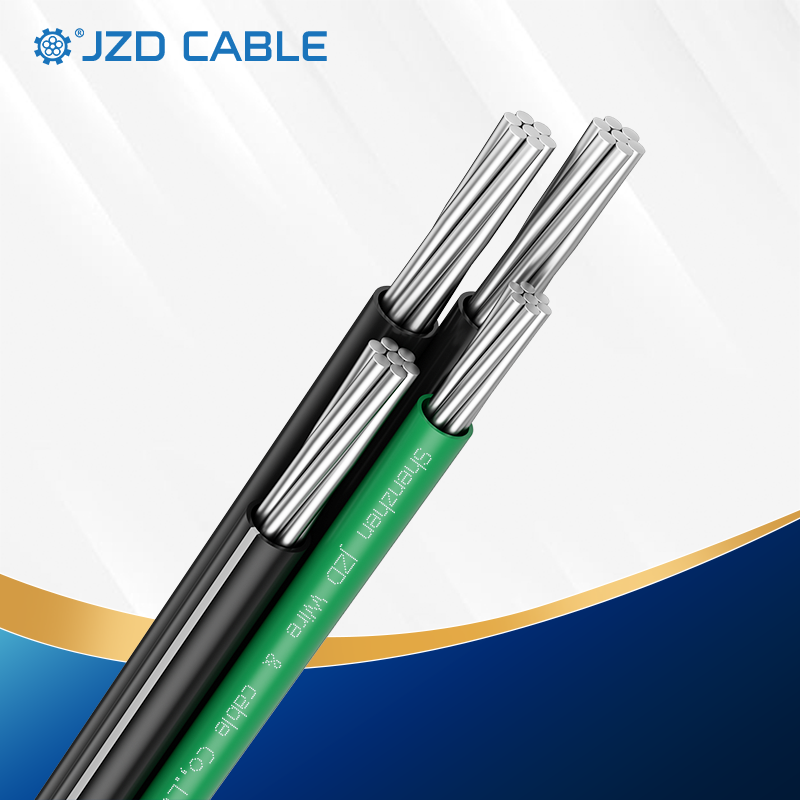
- Construction: It uses a single, thick layer of cross-linked polyethylene (XLPE) insulation that is formulated to act as both insulation and a rugged outer jacket. It has no separate sheath. This monolithic design is built to face the elements directly.
Key Differences: A Side-by-Side Comparison
|
Feature
|
THWN-2 Wire
|
USE-2 Cable
|
|---|---|---|
|
Temperature Rating
|
90°C Dry & Wet; 250°C Short Circuit
|
90°C Dry & Wet; 250°C Short Circuit
|
|
Voltage Rating
|
600V
|
600V
|
|
Outer Structure
|
PVC Insulation + Nylon Jacket (Two layers)
|
Single, thick, weather-resistant XLPE layer (No separate jacket)
|
|
UV / Sunlight Resistance
|
Good on most types, but not a mandatory requirement for all.
|
Excellent. Formulated for long-term, unprotected exposure on rooftops or outdoors.
|
|
Direct Burial Suitability
|
Not Recommended. The Nylon jacket can be easily punctured by rocks.
|
Inherently Designed & Certified for Direct Burial. Resists soil pressure, moisture, and corrosion.
|
|
Installation Environment
|
Conduit, Raceway, Cable Tray (Indoor / Semi-Outdoor)
|
Direct Burial, Exposed PV Runs, Unprotected Outdoor Feeds
|
|
Moisture/Water Resistance
|
Excellent (Nylon jacket provides a barrier)
|
Superior (XLPE is highly hydrolysis-resistant)
|
|
Mechanical Protection
|
The Nylon jacket offers good abrasion and oil resistance.
|
Relies on the toughness of the thick XLPE and proper installation practices.
|
|
Conductor
|
Primarily Copper
|
Copper or Aluminum
|
|
Common Colors
|
Full color range (Black, White, Red, Blue, Green, etc.)
|
Almost exclusively Black (for optimal UV stability)
|
|
Primary Applications
|
Internal Building Wiring, machine tool wiring, appliance leads—anywhere inside conduit.
|
Service Entrance Drops, Solar DC Circuits (NEC 690), Direct Burial Feeders, exposed outdoor runs.
|
Detailed Application Scenarios: Where Each One Shines
1.When to Use THWN-2: The Indoor/Conduit Specialist
THWN-2 is the default choice for the vast majority of protected indoor wiring. Its PVC insulation is cost-effective, and the Nylon jacket provides excellent slickness for pulling through long conduit runs, as well as resistance to abrasion, oil, and chemicals. Use it for:
- Wiring within walls, ceilings, and floors inside conduit or metal clad cable.
- Commercial and industrial control panel wiring.
- Machine tool and appliance internal wiring.
- Important: While it can be used in wet locations, it must be inside a conduit or other approved raceway. It is not designed to be directly buried or exposed to sustained sunlight without protection.
2.When to Use USE-2: The Outdoor/Direct Burial Specialist
USE-2 is purpose-built for harsh, unprotected environments. Its thick, compounded XLPE is resistant to sunlight, soil chemicals, moisture, and physical crushing. It is the code-specified choice for many outdoor applications. Use it for:
- Direct Burial: Running power from a transformer to a building’s meter or between outdoor equipment without conduit.
- Photovoltaic Systems: It is specifically recognized by NEC Article 690 for the DC circuit wiring between solar panels and to the inverter.
- Exposed Outdoor Feeders: For supplying pumps, lights, or outbuildings where conduit is not desired.
- Service Entrance Conductors: The final overhead or underground run from the utility to the customer’s meter.
Conclusion: Making the Informed Choice
The decision comes down to one key question: Will the wire be permanently protected inside a raceway, or will it be exposed to the earth, sunlight, and weather?
- Choose THWN-2 for all your standard indoor, in-conduit wiring needs. It is the economical, reliable, and code-compliant workhorse for protected installations.
- Choose USE-2 when the cable needs to be directly buried, run across a rooftop, or exposed to the elements without conduit protection. Its rugged construction is not an extra feature—it’s a fundamental requirement for the application’s safety and longevity. Never substitute a conduit wire (THWN-2) for a direct burial cable (USE-2).
Select with confidence for your specific environment. JZD Cable supplies high-quality, certified THWN-2 for your conduit projects and robust, reliable USE-2 for your outdoor and solar applications. Contact us today to discuss your project requirements or visit jzdcable.com to learn more about our product specifications.