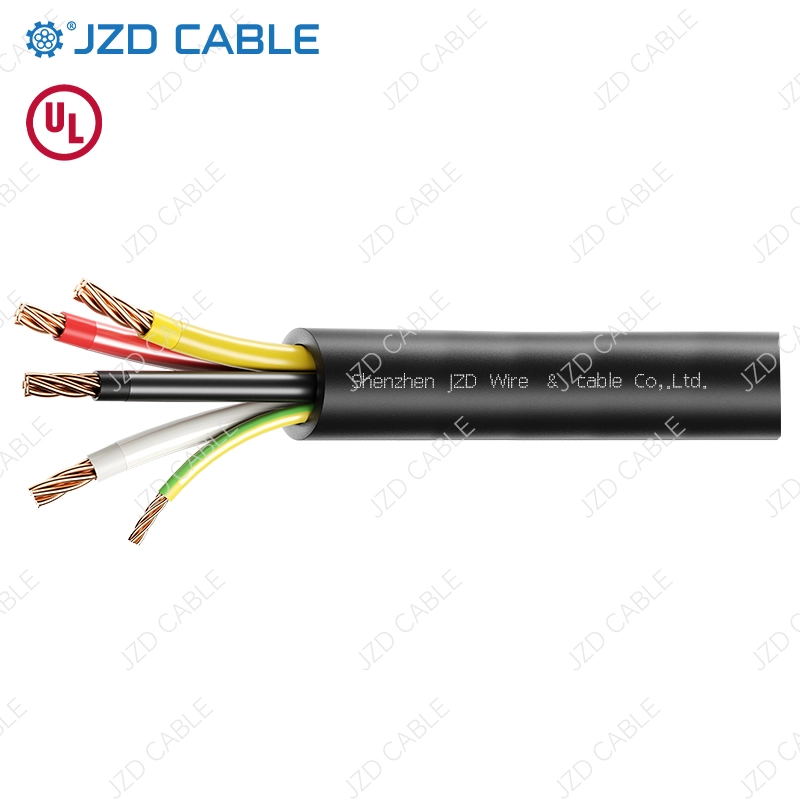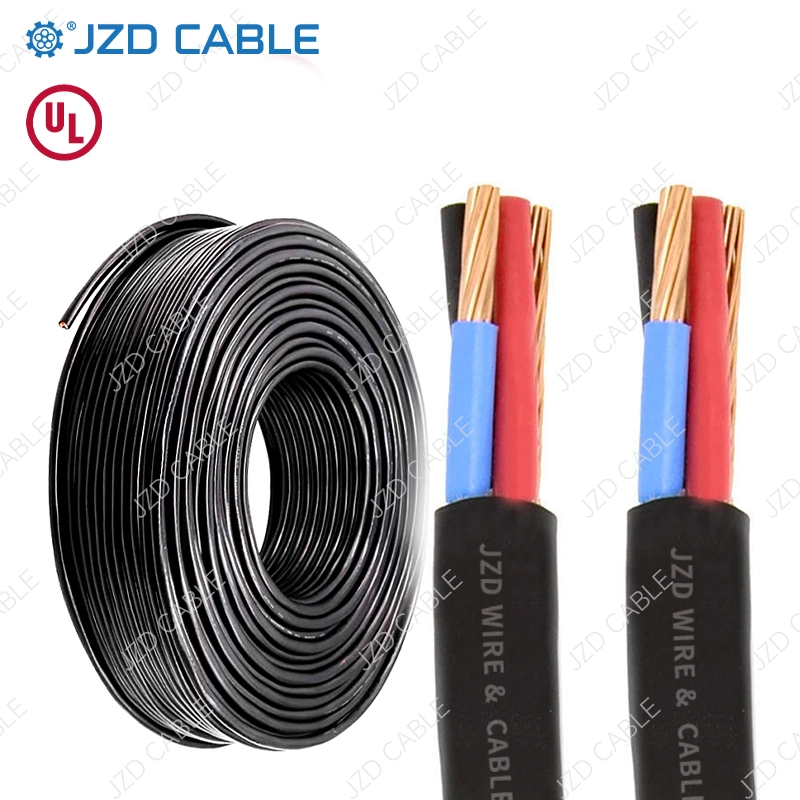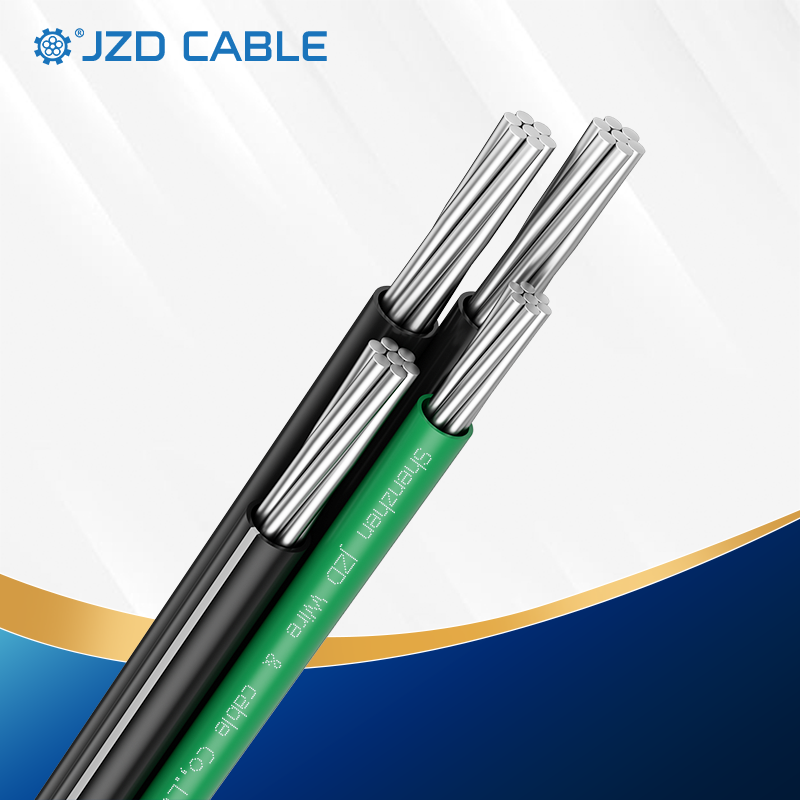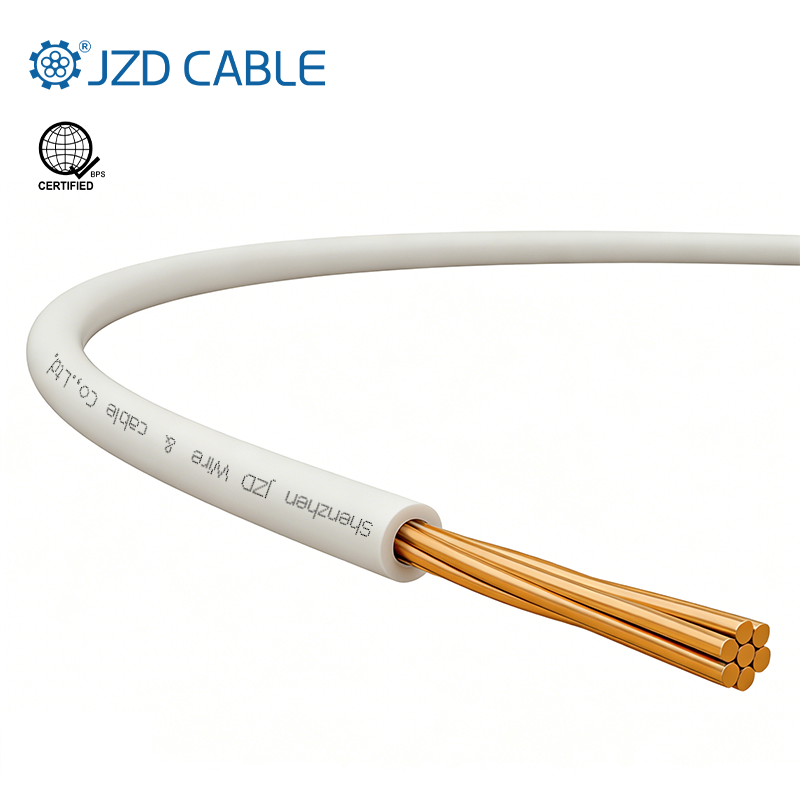


If you manufacture or source wires for household appliances, industrial control panels, medical devices, IT/AV equipment, power supplies, or energy storage systems destined for North America, you’ve inevitably encountered the marking “AWM” printed along the cable jacket. Behind that three-letter code sits one of the most important wire-and-cable standards in the world: UL 758 — the Standard for Appliance Wiring Material.
With 7,000+ individual AWM Styles defined in UL’s database , UL 758 is the single most comprehensive standard governing the internal and external interconnect wiring of electrical and electronic equipment. Yet for many procurement engineers, the standard remains a black box — a maze of four-digit Style numbers, thermoplastic vs thermoset distinctions, and voltage/temperature permutations.
This guide unpacks UL 758 from the ground up: what it is, what it covers (and crucially, what it doesn’t), the eight major product families it spans, and how to navigate the Style numbering system to specify the right AWM for your application.
What Is UL 758?
UL 758 — Standard for Appliance Wiring Material (AWM) — is published by Underwriters Laboratories (UL) and is the defining safety standard for wires and cables used as components inside electrical and electronic equipment .
Core definition: UL 758 covers insulated conductors and cables intended solely as factory-installed wiring — either:
- Inside the overall enclosure of appliances and other equipment (internal wiring), or
- As external interconnecting cable between appliances, or
- As a component for further processing into multi-conductor cables
Key scope parameters per the standard :
- Voltage rating: Minimum 30V (covers 30V, 300V, 600V, 1000V constructions)
- Temperature rating: Minimum 60°C dry (ranges from 60°C up to 250°C+)
- Conductor size: 50 AWG to 2000 kcmil
- Conductor material: Bare copper, tinned copper, copper alloy, or aluminum
- Construction types: Single insulated conductors, multi-conductor cables, optical fiber members, or combinations thereof
Supporting test standard: UL 1581 — Reference Standard for Electrical Wires, Cables, and Flexible Cords — provides the uniform test methods (dielectric withstand, flame VW-1, aging, low-temperature bend, oil immersion, etc.) referenced by every AWM Style .
📌 Critical distinction: UL 758 AWM is a component-level standard. An AWM wire is “UL Recognized” as a component to be used inside a listed product — it is not a stand-alone building wire for NEC installations . (For building wiring, you’d specify THHN, XHHW-2, NM-B, etc.)
What UL 758 Covers?
✅ IN Scope (UL 758 AWM)
|
Application
|
Example
|
|---|---|
|
Appliance internal wiring
|
Washing machines, refrigerators, microwaves, HVAC units
|
|
Industrial control panels & switchgear
|
DIN-rail wiring, panel interconnects
|
|
IT/AV equipment internal harnesses
|
Computers, monitors, servers, audio systems
|
|
Medical device internal wiring
|
Patient monitors, imaging equipment
|
|
Power supply & transformer leads
|
SMPS internal wiring, transformer taps
|
|
Appliance external interconnects
|
Pre-wired power cords, signal cables (non-NEC)
|
|
Cores for multi-conductor cable assembly
|
Processed further into complex harnesses
|
|
Energy storage system (ESS) internal DC wiring
|
Battery modules, BMS wiring, PCS DC inputs
|
|
Flat flexible cables (FFC/FPC)
|
Internal interconnects in displays, laptops
|
|
Optical fiber members
|
Hybrid electrical-optical AWM constructions
|
❌ OUT of Scope (Not UL 758)
- Building wiring per NEC (NFPA 70) — use UL 44, UL 83, UL 854, UL 1650, etc.
- Portable cordage (SOOW, SJOOW, Type W) — covered by UL 62 / UL 1650
- Communications cables (Category cable, coax) — covered by UL 444
- Photovoltaic wire — covered by UL 4703
- Locomotive cable — covered by UL 10269 (note: Style 10269 is an AWM — see below)
- Flexible materials interconnect constructions (flat parallel insulated conductors) — covered by UL 796F
How UL 758 Organizes 7,000+ Styles
UL groups every AWM Style into five sections based on conductor count, insulation type (thermoplastic vs thermoset), and jacket presence :
|
Section
|
Style Number Range
|
Description
|
|---|---|---|
|
Section 1
|
1000–1999; 10000–19999
|
Single conductor, thermoplastic insulation (e.g., PVC, TPU, TPE)
|
|
Section 2
|
2000–2999; 20000–29999
|
Multi-conductor, thermoplastic insulation + jacket
|
|
Section 3
|
3000–3999
|
Single conductor, thermoset insulation (e.g., XLPE, silicone, rubber)
|
|
Section 4
|
4000–4999
|
Multi-conductor, thermoset insulation + jacket
|
|
Section 5
|
5000–5999
|
Specialty single/multi-conductor items (fiber optics, hybrids, FFC)
|
Each AWM Style has a dedicated Style Page on UL’s Product iQ database (iq.ul.com/awm) that documents its exact construction, gauge range, insulation material, temperature rating, voltage rating, flame class, and permissible use .
The 8 Major AWM Product Families
Based on insulation material and construction, UL 758 AWM products fall into eight major families . Here’s the breakdown with representative Styles:
1. Single-Core PVC Electronic Wire (Thermoplastic)
The most ubiquitous AWM family — PVC insulation, general-purpose internal wiring.
|
Style
|
Voltage
|
Temp
|
AWG Range
|
Typical Use
|
|---|---|---|---|---|
|
1007
|
300V
|
80°C
|
28–16 AWG
|
Computers, small appliance internal fine wire
|
|
1015
|
600V
|
105°C
|
18 AWG–4/0 AWG
|
Control cabinets, motor leads
|
|
1061
|
300V
|
105°C
|
—
|
Thin-wall PVC for space-constrained equipment
|
|
1569
|
—
|
—
|
—
|
Low-smoke PVC, indoor public equipment
|
2. XLPE Cross-Linked Polyethylene (Thermoset, Oil & Heat Resistant)
|
Style
|
Voltage
|
Temp
|
Use
|
|---|---|---|---|
|
3288
|
600V
|
125°C
|
Power supply internal, industrial control — oil & weather resistant
|
|
1430
|
300V
|
105°C
|
Thin-wall lightweight wiring
|
|
10269
|
1000V AC / 1250V DC
|
80/90/105°C
|
Energy storage system DC-side internal wiring — the dedicated AWM Style for BESS
|
💡 Style 10269 deserves special mention: it’s the AWM specifically engineered for North American energy storage cabinets, C&I ESS, and residential storage DC interconnects. Its 1250V DC rating matches high-voltage ESS busbars, and NEC Article 705 recognizes AWM Style 10269 as compliant ESS internal wiring .
3. Silicone Rubber High-Temperature Wire
|
Style
|
Voltage
|
Temp
|
Use
|
|---|---|---|---|
|
3135
|
600V
|
200°C
|
Ovens, heating equipment, lamp leads
|
|
3122
|
600V
|
200°C
|
Braided fiberglass over silicone — abrasion-resistant high temp
|
|
3071
|
300V
|
150°C
|
Small heating modules
|
Silicone AWM operates from –60°C to +200°C — the widest temperature range of any AWM family .
4. Fluoropolymer (Teflon) Ultra-High-Temp Specialty Wire
|
Style
|
Voltage
|
Temp
|
Use
|
|---|---|---|---|
|
1330
|
600V
|
200°C
|
FEP insulation — chemical & solvent resistant
|
|
1332
|
600V
|
250°C
|
PTFE — instruments, medical, welding equipment
|
|
1009
|
—
|
—
|
Ultra-thin Teflon for precision sensors
|
Fluoropolymer AWM withstands 200°C–250°C, resists strong acids/alkalis and solvents — the pinnacle of AWM thermal performance .
5. Halogen-Free Low-Smoke (LSOH) AWM
|
Style
|
Voltage
|
Temp
|
Use
|
|---|---|---|---|
|
1589
|
300V
|
105°C
|
Halogen-free thermoplastic — public buildings
|
|
20939
|
600V
|
125°C
|
Halogen-free cross-linked — subway, medical, data center internal wiring
|
LSOH AWM is mandated for subways, hospitals, data centers, and public infrastructure where smoke toxicity during fire is a life-safety concern.
6. Multi-Conductor Jacketed AWM Cable
The workhorse for internal control and signal distribution:
|
Style
|
Voltage
|
Temp
|
Description
|
|---|---|---|---|
|
2464
|
300V
|
80°C
|
Most common multi-core PVC jacketed cable — 2–24 cores; sensors, instrument signal wire
|
|
2517
|
—
|
—
|
Multi-core shielded control wire — industrial PLC wiring
|
|
20851
|
—
|
—
|
Multi-core halogen-free shielded — medical equipment internal bus
|
|
2561
|
—
|
—
|
Flat ribbon cable (IDC) — computers, display internal interconnect
|
7. Flat Flexible Cable (FFC/FPC), Coax, Fiber Optic Units
|
Style
|
Description
|
|---|---|
|
2651
|
PVC flat ribbon cable
|
|
2896
|
Ultra-thin FFC flexible flat cable
|
|
Fiber optic units
|
Equipment-embedded optical fiber cores — governed by UL 758
|
8. Specialty Modified-Insulation AWM (Oil/Cold/High-Flex)
|
Style
|
Description
|
|---|---|
|
1283
|
Cold-resistant PVC — –40°C low-temp equipment
|
|
1185
|
Oil-resistant PVC — oil pumps, hydraulic equipment internal wiring
|
|
20624
|
High-flex multi-core — drag chain internal wiring
|
UL 758 Core Control Metrics
Every AWM Style is evaluated against these mandatory parameters :
- Conductor: Bare/tinned copper, solid or stranded; resistance per ASTM/UL 1581
- Insulation: PVC, XLPE, silicone, FEP/PTFE, LSOH — with specified minimum thickness per AWG
- Voltage rating: 300V / 600V / 1000V
- Long-term temperature: 60°C to 250°C in graded steps
- Mandatory flame retardancy: VW-1 vertical flame test for the vast majority of AWM; FT1/FT2 for certain styles
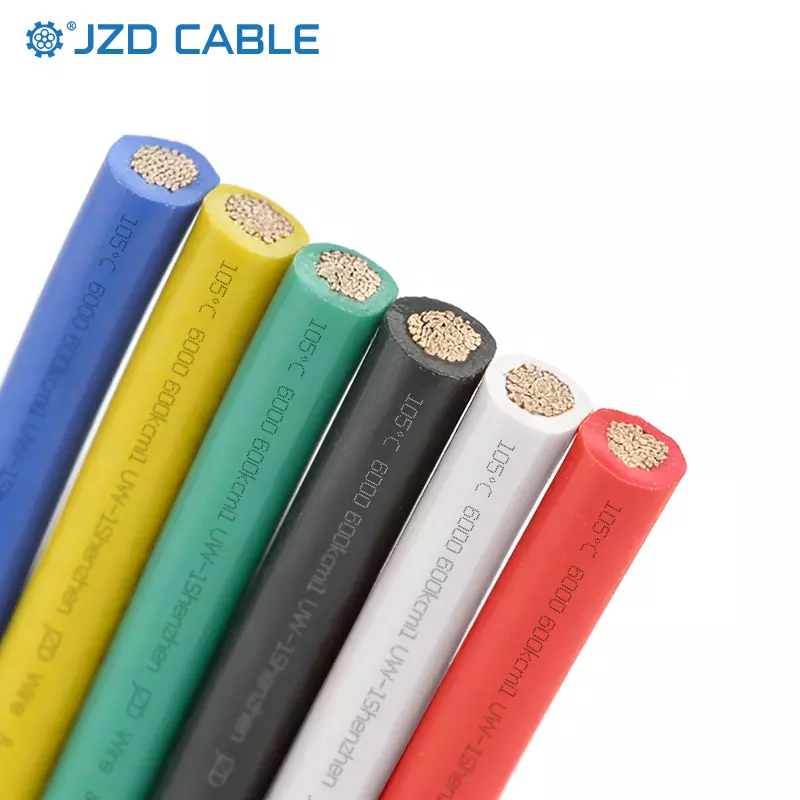
- Marking requirement: Cable surface must print AWM Style number, voltage, temperature, VW-1, and UL file number
Why UL 758 Certification Matters for Export Manufacturers
For OEMs exporting to North America, UL 758 compliance is non-negotiable:
- Component Recognition — AWM wires carry UL’s “Recognized Component” mark, enabling OEMs to use them in UL Listed end products without re-certifying the wire
- Global market access — UL 758 is recognized across the USA, and aligned with CSA C22.2 No. 210 for Canada (many AWM styles are dual-certified UL+CSA, called “tri-rated” when also meeting BS 6231 for the UK)
- Risk mitigation — Counterfeit or non-compliant wiring is a leading cause of appliance fires and product recalls; UL 758 certification demonstrably validates construction and performance
- Supply chain efficiency — With 7,000+ styles, specifying the exact AWM that matches your need avoids over-engineering and reduces BOM cost
- Traceability — UL’s Product iQ database lets OEMs verify any AWM Style’s legitimacy and technical parameters in real time
JZD Cable UL 758 AWM Product Range
At JZD Cable, we manufacture a comprehensive portfolio of UL 758-compliant AWM wires and cables, serving appliance OEMs, control panel builders, ESS manufacturers, and medical device companies worldwide:
Section 1 — Single-Core PVC AWM:
- Style 1007: 300V 80°C, 28–16 AWG
- Style 1015: 600V 105°C, 18 AWG–4/0 AWG
- Style 1061: 300V 105°C thin-wall
- Style 1569: Low-smoke PVC variant
Section 2 — Multi-Core PVC Jacketed AWM:
- Style 2464: 300V 80°C, 2–24 cores — sensors, instrumentation
- Style 2517: Shielded multi-core control cable
- Style 2561: Flat ribbon cable (IDC)
Section 3 — Single-Core Thermoset AWM:
- Style 3135: 600V 200°C silicone rubber — ovens, heaters, lamp leads
- Style 3122: 600V 200°C fiberglass-braided silicone
- Style 3071: 300V 150°C silicone
- Style 3288: 600V 125°C XLPE — oil & weather resistant
- Style 10269: 1000V AC / 1250V DC, 80/90/105°C — ESS-dedicated AWM
- Style 1330 / 1332: FEP/PTFE fluoropolymer, 200°C / 250°C
Section 5 — Specialty AWM:
- Style 1589 / 20939: Halogen-free LSOH
- Style 1283: Cold-resistant PVC (–40°C)
- Style 1185: Oil-resistant PVC
- Style 20624: High-flex drag-chain cable
Shared compliance for all AWM products:
- UL 758 certified (UL file number printed on cable)
- Tested to UL 1581 (VW-1 flame, dielectric, aging, cold bend, oil immersion)
- CSA C22.2 No. 210 available for Canadian market
- RoHS compliant
- Bare or tinned copper; solid or stranded per Style specification
- Custom colors, reel lengths, and cut-to-length service
We support appliance OEMs, control panel manufacturers, ESS integrators, and medical device companies with full UL documentation, bilingual (EN/ES/FR) support, and global logistics.
📩 Need help selecting the right UL 758 AWM Style for your product?
Contact the JZD team at https://jzdcable.com/contact-us/ — tell us your application (appliance type, ESS, control panel, medical), voltage, temperature range, conductor count, and gauge, and we’ll recommend the optimum AWM Style and provide a competitive quote.