

Electricity demand is rising worldwide as industries expand, electrification accelerates and AI data centers consume more power. The IEA forecasts average annual growth of 3.6% in global electricity demand between 2026 and 2030, increasing pressure on existing power grids and driving investment in renewable energy, energy storage and electricity infrastructure.
Solar Energy Is Creating Opportunities Beyond Power Generation
Solar development is no longer limited to large power plants. Residential rooftops, commercial buildings and industrial facilities are becoming part of the wider solar market, each with different project requirements.
1. Residential Solar and Battery Storage
Homeowners are considering rooftop solar to reduce the amount of electricity they purchase from the grid. Adding battery storage allows excess daytime generation to be used later, including during evening hours.
The financial benefits depend on local electricity prices, sunlight conditions, installation costs and grid compensation policies. In most cases, these systems supplement rather than completely replace grid electricity.
2. Commercial and Industrial Solar
Factories, warehouses and commercial buildings often have large roof areas that can accommodate photovoltaic systems. Businesses may use the electricity directly to offset part of their daytime consumption.
For project developers and installers, these systems involve more than panel installation. They also require system design, inverter integration, electrical protection, cabling and connection to the building’s distribution network.
3. Utility-Scale Solar Projects
Large solar farms involve a different scale of infrastructure. Beyond photovoltaic modules, projects require DC collection circuits, inverter connections, AC collection systems and grid interconnection facilities.
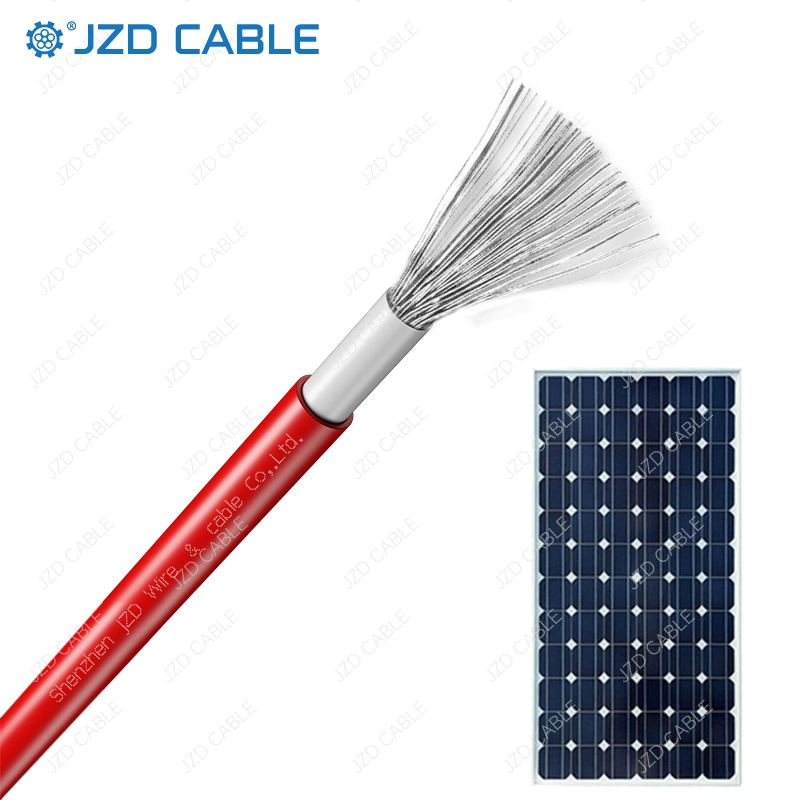
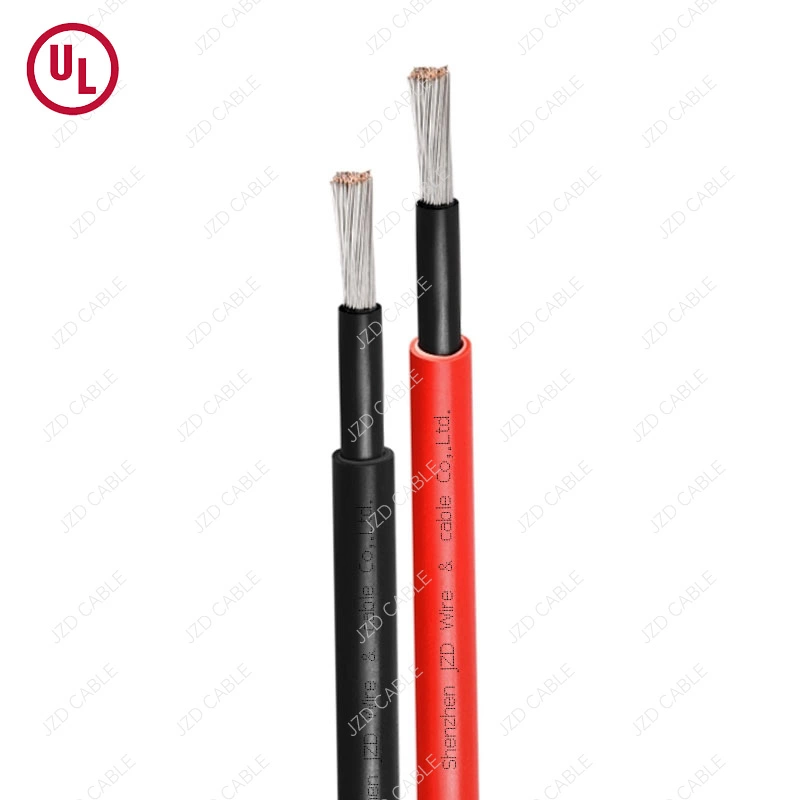
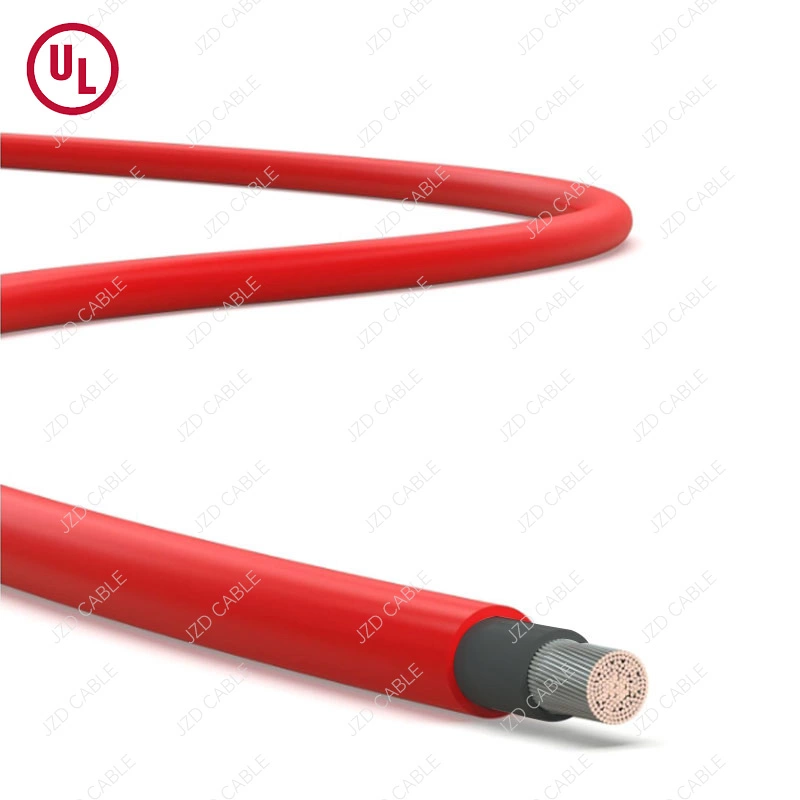
Cable requirements vary with system voltage, installation location and applicable standards. H1Z2Z2-K and UL 4703 PV Wire, for example, are photovoltaic cable types used within their respective standards and market requirements.
As solar capacity expands, project demand also extends to inverters, transformers, battery systems and grid connection equipment.
Regional Energy Development Is Shaping Different Markets
The global shift toward electrification is not progressing at the same pace everywhere. Grid conditions, industrial development and energy policies influence where investment is directed and which projects move forward.
1. North America: Data Centers and Grid Modernization
The expansion of AI infrastructure is adding significant electricity demand in the United States. Data centers need dependable power supplies, often supported by dedicated substations, backup generators and extensive distribution systems.
At the same time, utilities are working to modernize existing networks and accommodate new loads from electric vehicles, industrial facilities and renewable energy projects.
For contractors and equipment suppliers, this means work across several parts of the electrical infrastructure chain, from utility connections to facility-level power distribution.
2. Europe: Renewable Integration and Network Expansion
Europe’s renewable energy development is increasing the need for grid connections and system flexibility.
Offshore wind projects require collection systems, submarine transmission cables and onshore connections. Solar installations and battery storage also need to be integrated into existing electricity networks.
The challenge is not just adding renewable generation capacity. Grid operators must also manage variable power output and move electricity from generation sites to areas of demand.
3. Southeast Asia: Industrial Growth and New Electricity Loads
Industrialization and urban development are supporting electricity demand across Southeast Asia. Indonesia, Vietnam, Thailand, Malaysia and the Philippines are investing in power generation, distribution networks and industrial infrastructure.
Solar projects are also gaining attention as businesses and developers look for additional energy sources. Meanwhile, data center investment is increasing the need for reliable power supplies in selected markets.
These projects involve different participants, including electrical contractors, solar EPC companies, equipment manufacturers and system integrators.
Which Industries Are Driving Demand for Power Infrastructure?
Growing investment in solar energy, battery storage, data centers and grid upgrades is increasing demand for specialized equipment and engineering services. Different industries are involved in these projects, from solar installation and energy storage integration to electrical equipment manufacturing and infrastructure construction.
1. Solar EPC Contractors and Installers
Solar EPC companies handle project development, engineering, procurement and construction. Their work can include site assessment, system design, equipment sourcing, installation and commissioning.
2. Energy Storage Integrators
Storage integrators bring together battery systems, power conversion equipment, energy management systems and electrical connections. They are involved in configuring systems for commercial facilities, renewable energy projects and grid applications.
3. Data Center Developers and Electrical Contractors
Data center construction requires coordinated electrical work, including utility connections, substations, backup power, distribution equipment and connections to IT loads.
Electrical contractors and specialist suppliers may participate in different stages of this work, from infrastructure installation to equipment integration and testing.
4. Electrical Equipment Manufacturers
Growing investment in power systems supports demand for distribution panels, switchgear, control cabinets, circuit protection devices and power conversion equipment.
Manufacturers must ensure that their products meet project specifications and are compatible with the electrical systems in which they will be installed.
5. Grid and Infrastructure Contractors
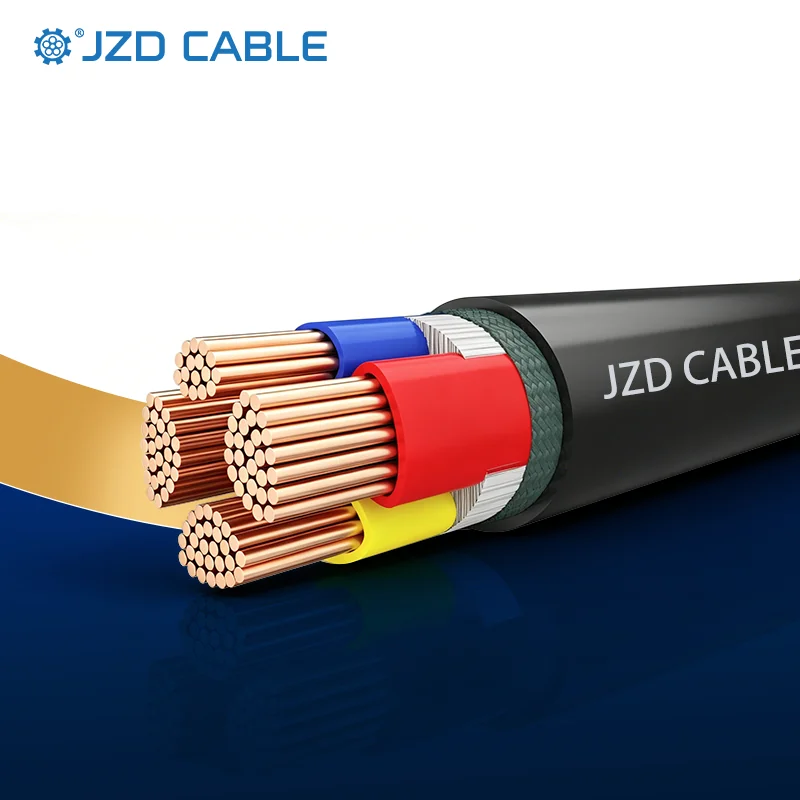
Transmission and distribution upgrades involve substations, power lines, underground networks and related electrical infrastructure. Contractors may be responsible for civil works, equipment installation, cable laying, testing and maintenance.
The specific opportunities depend on project scope, local regulations and procurement arrangements.
Electrical Connections Are a Key Part of Project Planning
Solar farms, battery storage facilities and data centers have different electrical architectures. However, all require suitable connections between power sources, conversion equipment, distribution systems and end-use loads.
Cable selection is therefore part of system design, not simply a purchasing decision made after equipment has been chosen.
1. Solar Installations: Outdoor DC Connections
Photovoltaic cables must meet the electrical and environmental requirements of their intended installation. Voltage rating, temperature resistance, UV exposure and applicable certification standards all matter.
H1Z2Z2-K and UL 4703 PV Wire are examples of cable types used in photovoltaic DC applications under their respective standards.
2. Battery Storage: Current Capacity and Equipment Connections
Battery energy storage systems connect battery cabinets with power conversion systems, transformers and distribution equipment.
The selected cables must match the system’s voltage, current capacity, installation conditions and equipment specifications. Thermal performance and connection reliability are particularly important in high-current applications.
3. Data Centers: Power Distribution and Control Wiring
Data centers use different wiring systems for power delivery, equipment operation and monitoring.
Power cables supply electricity to distribution equipment and IT loads. Control cables, by contrast, carry signals used for monitoring, communication and equipment control.
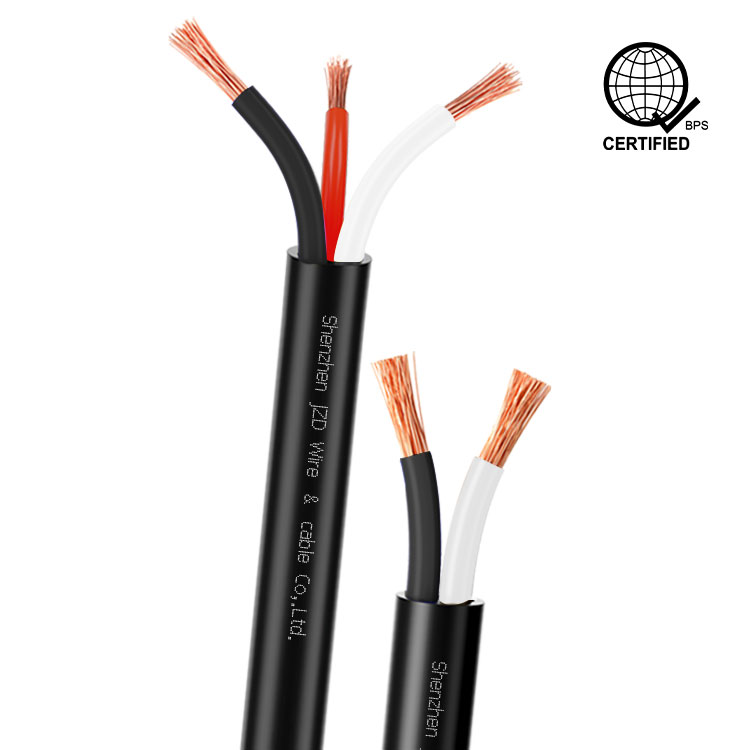
For example, UL 1015 wire may be used for suitable internal equipment wiring, while UL 2464 multi-conductor cable can serve applicable equipment connection and control signal applications. Actual suitability depends on ratings, installation methods and equipment requirements.
Clean Energy Development Also Requires Environmental Responsibility
1. Lower Emissions During Electricity Generation
Solar and wind power generally produce electricity with lower greenhouse gas emissions during operation than fossil-fuel-based generation. Their growing contribution can help reduce dependence on conventional power generation.
However, the overall environmental benefits also depend on how energy systems are manufactured, installed, operated and retired.
2. Equipment Lifecycle and Recycling
Solar panels, batteries and electrical equipment require raw materials and energy during manufacturing. Their disposal and recycling also need to be considered.
For battery storage in particular, safety, service life and end-of-life management are important parts of responsible project planning.
3. Making Better Use of Existing Power Networks
Building new generation capacity is only one part of improving energy supply. Grid upgrades can help reduce congestion, improve transmission and distribution efficiency, and connect renewable sources more effectively.
Better use of existing infrastructure is therefore just as important as expanding capacity.
Conclusion: Growing Electricity Demand Is Expanding the Project Landscape
The growth of electricity demand is changing where investment is needed. Solar generation, battery storage, data centers, industrial electrification and grid modernization are all contributing to a wider range of infrastructure projects.
For EPC contractors, storage integrators, electrical engineering companies, equipment manufacturers and construction businesses, the resulting work spans project design, procurement, installation, system integration and maintenance.
As these projects develop, equipment compatibility, compliance with applicable standards and reliable electrical connections will remain important throughout the supply chain.
Contact JZD Cable to discuss your project requirements and request product specifications or free samples.