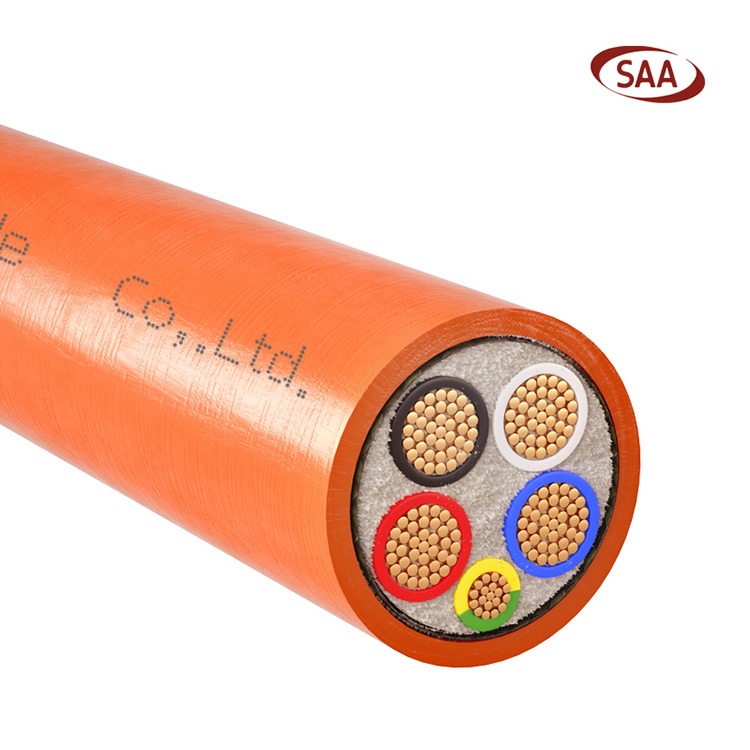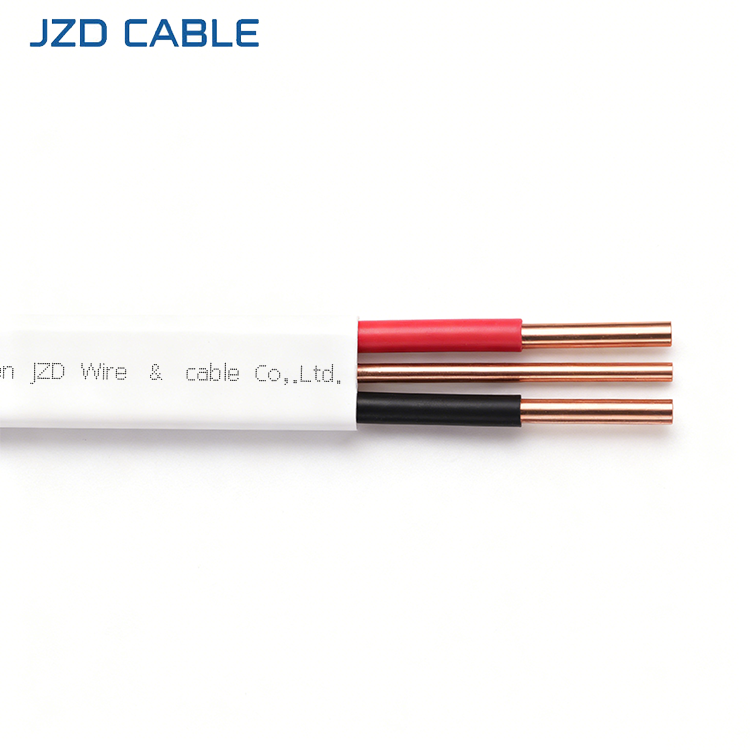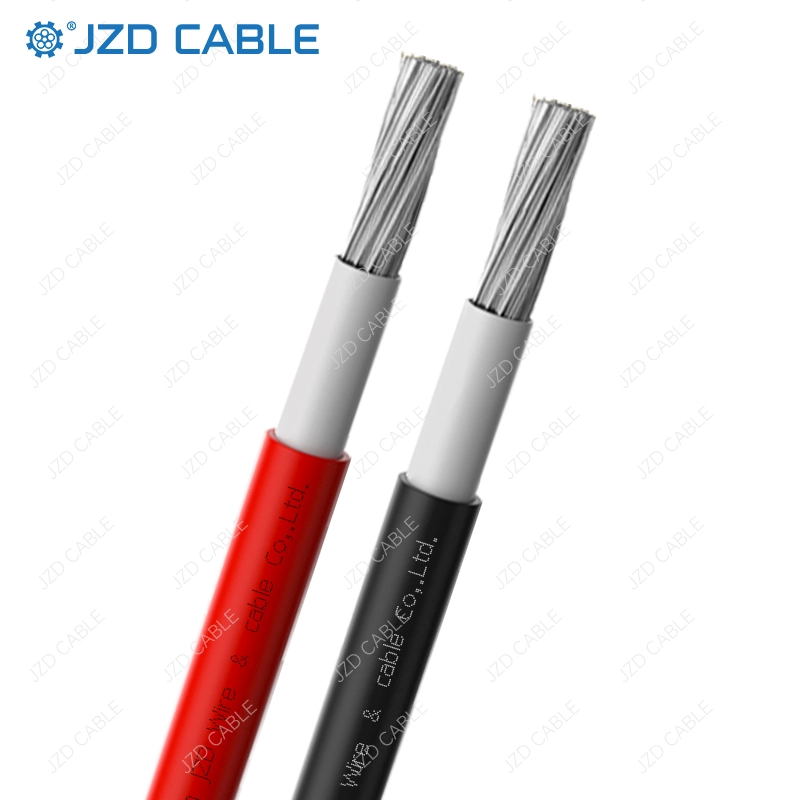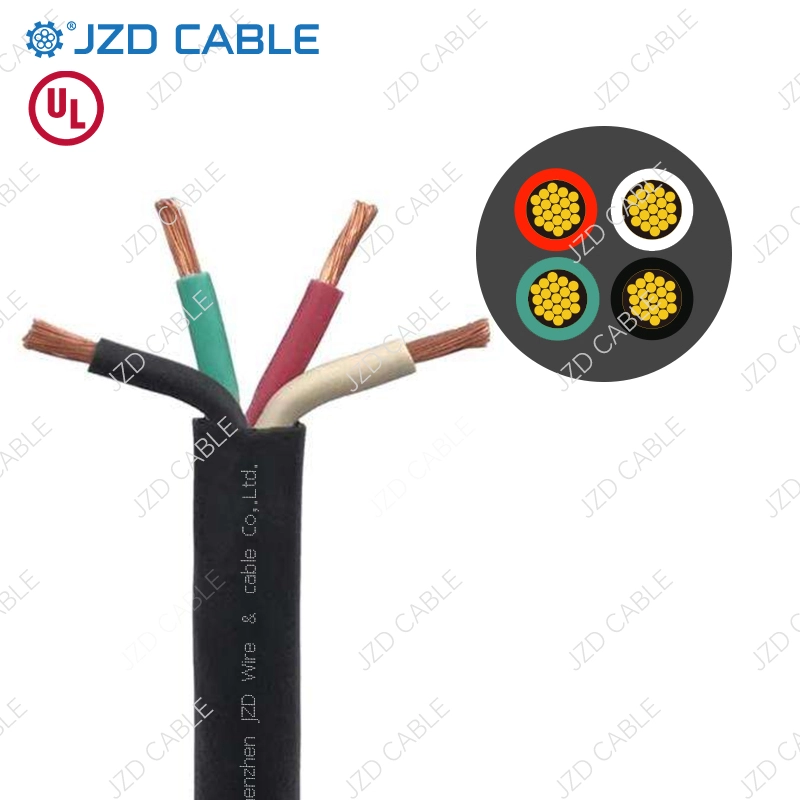


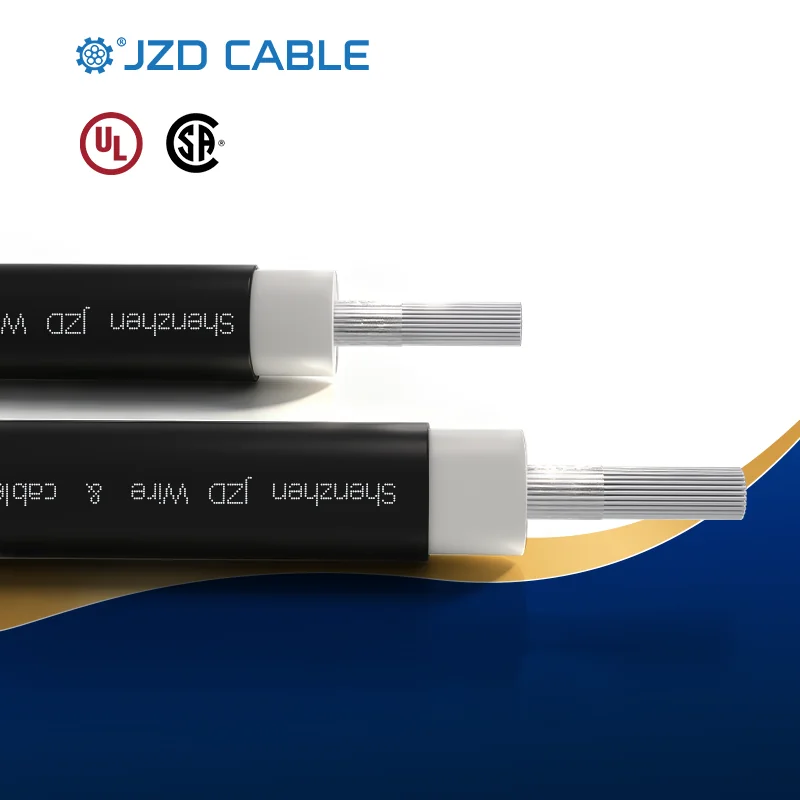
Walk onto an oil-field service yard or a heavy fab shop and you’ll see two thick, flexible, single-core cables that look suspiciously similar: DLO (Diesel Locomotive Cable) and welding cable. Both are large-gauge, flexible, tinned-copper, single-core — and both get tossed into the “heavy-duty power” bucket by purchasers who don’t dig into the specs.
But under the jacket, they serve completely different masters:
- DLO = 2000V, EPR insulation + CPE oil-resistant jacket, built for diesel, hydraulic oil, seawater, MSHA mines, and locomotive traction — the North American oil-field standard.
- Welding cable = 450/750V or 600V, natural/rubber or PVC jacket, built for welder electrode leads and ground returns — dragged, coiled, and swapped at the fab bench.
Specifying one for the other’s job gets expensive fast. This guide breaks down the three-way comparison (DLO / rubber welding cable / PVC welding cable) so you don’t over-buy or under-protect.
Quick Code Recap
|
Cable
|
Code Logic
|
|---|---|
|
DLO
|
Diesel Locomotive Oil-resistant — UL 1072, 2000V, EPR + CPE
|
|
Welding Cable (Rubber, YH-type)
|
Single-core flexible welder lead, natural rubber or chloroprene (neoprene) jacket, 450/750V or 600V, Class 6 ultra-fine stranding
|
|
Welding Cable (PVC)
|
Same duty, but PVC jacket — cheaper, 70°C, indoor/fab-shop only
|
Full Three-Way Comparison
|
Parameter
|
DLO
|
Rubber Welding Cable (YH-type)
|
PVC Welding Cable
|
|---|---|---|---|
|
Voltage rating
|
2000V
|
450/750V (or 600V)
|
450/750V
|
|
Insulation
|
EPR/EPDM (thermoset, 90°C cont., 250°C SC)
|
Natural rubber or chloroprene — thinner wall, 85°C cont. (rubber) / 70°C (PVC)
|
PVC (thermoplastic, 70°C)
|
|
Jacket
|
CPE (chlorinated polyethylene) — oil-resistant, 60°C oil immersion pass
|
Chloroprene (neoprene) or plain rubber — wear/crush resistant, NOT oil-rated
|
PVC — cheap, no oil resistance
|
|
Stranding
|
Class I flexible tinned Cu (ASTM B172) — vibration-rated
|
Class 6 ultra-fine — softer than DLO, millions of flex cycles at the weld bench
|
Class 6 ultra-fine
|
|
Oil resistance
|
✅ Diesel, hydraulic oil, cutting oil, seawater (UL oil-immersion)
|
❌ Chloroprene resists weather but swells in diesel/hydraulic long-term
|
❌ PVC swells/fails in oil
|
|
Temp range
|
–40°C to +90°C (cont.)
|
–40°C to +85°C (rubber) / –20°C to +70°C (PVC)
|
–20°C to +70°C
|
|
Flame / certs
|
VW-1, MSHA mining approved
|
General flame-retardant (IEC 60332), no MSHA
|
VW-1, no MSHA
|
|
Size range
|
14 AWG – 1000 MCM
|
10 mm² – 240 mm² (AWG 8–500 kcmil typical)
|
10 mm² – 95 mm²
|
|
Cost (same gauge)
|
Highest (EPR+CPE+MSHA+UL1072)
|
Mid (rubber jacket)
|
Lowest
|
|
Primary use
|
Oil-field drill rigs, loco traction, mine feeders, marine deck
|
Welder electrode lead, welder ground return, shipyard welding, fab shop
|
Indoor fab shop, small AC/spot welders, budget weld carts
|
|
Can it substitute the other?
|
❌ Overkill for welders; no Class 6 ultra-flex
|
❌ Under-protected for oil-field (voltage, oil, MSHA)
|
❌ Fails in field/outdoor
|
Three Key Differences That Drive the Choice
1. Voltage Rating — 2000V vs 750V Is Not Interchangeable
DLO is rated 2000V — nearly 3× the 450/750V of welding cable. On a drill rig, the DC bus or generator output can see transient overshoots that would punch through welding cable insulation. Conversely, putting DLO on a welder is wasted headroom — the welder’s secondary is ~40–100V open-circuit anyway.
Rule: Welder secondary circuit → welding cable. Oil-field generator to distribution, loco traction, mine feeder → DLO.
2. Oil Resistance — The Dealbreaker
This is where rubber welding cable gets mistaken for “heavy-duty” and sent to the drill pad:
- DLO’s CPE jacket is formulated to pass UL 60°C oil immersion — diesel, hydraulic oil, cutting fluid, seawater. That’s why it’s on drilling rigs where the cable runs past the mud pump lube lines.
- Rubber welding cable’s chloroprene (neoprene) jacket is great for weather, UV, and abrasion — but not oil immersion. Long-term contact with diesel or hydraulic oil causes swelling and jacket delamination. On a drill rig, that’s a failure-in-months scenario.
- PVC welding cable fails even faster — PVC + oil = softening within weeks.
⚠️ If the environment has real oil (drill rig, hydraulic shop, diesel gen-set room), DLO is the only correct choice of the three. Welding cable belongs on the weld lead — not the genset output.
3. Flex-Class vs Vibration-Class Stranding
Another subtle mismatch:
- DLO = Class I flexible tinned copper — built for vibration (locomotive, mine shuttle) and moderate flex, not millions of tight-radius coiling.
- Welding cable = Class 6 ultra-fine — built for constant coiling/uncoiling at the weld bench, tight bend radius, operator dragging it across the shop floor all day.
If you put DLO on a welder, it’ll feel stiff to the operator. If you put welding cable on a loco vibration mount, the Class 6 strands may fatigue differently than Class I. They’re optimised for opposite duty cycles.
Application Decision Tree
|
Scenario
|
Pick
|
|---|---|
|
Oil-field drill rig generator to mud pump / distribution
|
DLO — 2000V, CPE oil-rated, MSHA available
|
|
Diesel-electric locomotive traction motor lead
|
DLO — original design intent
|
|
Mine underground feeder (MSHA required)
|
DLO (MSHA-rated)
|
|
Marine deck generator to switchboard (diesel + seawater)
|
DLO — CPE handles both
|
|
Fab shop AC/spot welder, indoor, budget
|
PVC welding cable
|
|
Field welding truck, electrode lead + ground, outdoor jobsite
|
Rubber welding cable (YH-type, neoprene)
|
|
Shipyard welding, outdoor, UV+spray
|
Rubber welding cable (neoprene)
|
|
Hydraulic repair shop — oil mist in air
|
DLO (welding cable’s jacket will swell)
|
|
Genset rental company — mixed oil-field + construction
|
Stock DLO for oil-field, rubber weld cable for construction weld leads — don’t cross them
|
FAQ
Q: Can DLO replace welding cable on a welder?
A: Electrically yes (2000V >> 750V), but it’s overkill: DLO costs more, feels stiffer (Class I vs Class 6), and the oil-rated CPE jacket is wasted on a weld lead that sees no diesel. Rubber welding cable is the right spec and cheaper.
Q: Can rubber welding cable replace DLO on a drill rig?
A: No — three strikes: voltage (750V vs 2000V), oil (neoprene swells in diesel), no MSHA. The rig’s insurance/manifest will reject it.
Q: What about “extra-flex DLO” or “welding-grade DLO”?
A: Some DLO mills offer finer stranding on request (approaching Class 5/6), but it’s still EPR+CPE — oil-rated, 2000V, MSHA — so it stays in the DLO price/perf bracket. If you need true weld-lead flex + oil rating (rare combo), talk to the mill about custom — but 99% of the time it’s a DLO vs weld cable split, not a hybrid.
Q: Is welding cable ever direct-burial?
A: No — neither rubber nor PVC welding cable is listed for direct burial. For buried welder feeds (rare), use RWU90 or USE-2. Welding cable is always above-ground, dragged, and moved.
Q: Does DLO come in aluminum?
A: Standard DLO is tinned copper only (Class I flexible). The oil-field/loco market doesn’t use Al DLO — if you need large Al in oil-field, you’re looking at a different cable type, not DLO.
JZD Cable DLO & Welding Cable Range
At JZD Cable, we stock both families so your BOQ doesn’t get the wrong one:
DLO (Diesel Locomotive Cable):
- Conductor: Class I flexible tinned copper, 14 AWG – 1000 MCM
- Insulation: EPR/EPDM, 90°C / 130°C overload / 250°C SC
- Jacket: TS-CPE, oil-immersed 60°C pass, UV, –40°C
- Voltage: 2000V
- Approvals: UL 1072, MSHA available
- Colours: black (standard)
Rubber Welding Cable (YH-type):
- Conductor: Class 6 ultra-fine tinned copper, 10–240 mm² (AWG 8–500 kcmil)
- Insulation: Rubber, 85°C cont.
- Jacket: Chloroprene (neoprene) or natural rubber — abrasion/weather
- Voltage: 450/750V or 600V
- Black, red, yellow, blue — custom colours
PVC Welding Cable:
- Same Class 6 stranding, 70°C PVC jacket
- 450/750V, indoor fab-shop budget spec
- Black standard
Need help deciding which belongs on your project? 📩 Contact the JZD team at https://jzdcable.com/contact-us/ — tell us the environment (oil? mine? weld bench?), voltage, and gauge, and we’ll steer you to the right family.