

The expansion of renewable energy and electrical infrastructure is increasing the demand for reliable cable solutions. According to the International Energy Agency (IEA) Electricity 2026 Report, global electricity demand is expected to continue growing through 2030, driven by industrial development, electrification, and expanding energy applications.
As solar systems, coastal buildings, and underground electrical networks continue to expand, cables are increasingly installed in environments exposed to sunlight, humidity, temperature changes, and moisture. Selecting the right cable depends not only on electrical requirements but also on the installation conditions and long-term environmental exposure.
Why Electrical Cable Selection Matters in Coastal Environments
Electrical systems in coastal and flood-prone areas often combine multiple installation conditions within the same project.
For example, a solar-powered commercial building may include:
- Outdoor solar panel wiring
- Underground cable routes
- Conduit-based feeder circuits
- Electrical panel connections
Each section faces different levels of environmental exposure. A cable suitable for an outdoor solar connection may not be the best choice for a protected feeder circuit inside conduit.
When selecting electrical cable, engineers typically consider:
- Installation method
- Sunlight exposure
- Moisture conditions
- Operating temperature
- Long-term insulation performance
Understanding these factors helps ensure the cable performs reliably throughout its service life.
How Coastal Conditions Affect Cable Performance
Electrical cables are exposed to more than electrical loads. Environmental conditions can also influence insulation performance over time.
In coastal and humid regions, heat and moisture often occur together. During summer, electrical systems may experience:
- High ambient temperatures
- Heat accumulation inside conduit systems
- Increased humidity after storms
Repeated exposure to these conditions can accelerate insulation aging if the cable is not designed for the installation environment.
For this reason, commercial, industrial, and renewable energy projects often use cable insulation systems designed for more demanding conditions.
Selecting Cable Based on Installation Location
The most important factor when choosing cable is understanding where the conductor will be installed.
1. Outdoor and Direct Burial Applications
Cables installed outdoors or underground must handle direct environmental exposure.
Typical applications include:
- Solar PV systems
- Underground service connections
- Outdoor electrical equipment
These applications require cable characteristics such as:
- Sunlight resistance
- Moisture protection
- Long-term outdoor durability
For these sections, USE-2 cable is commonly selected.
2. Conduit and Electrical Distribution Applications
Many commercial and industrial electrical systems use conduit to protect conductors and organize power distribution.
However, conduit does not completely remove environmental factors. Conductors inside conduits may still experience:
- Heat buildup
- Condensation
- Moisture exposure
For feeder circuits and power distribution systems, building wire with reliable insulation performance is often required.
This is where XHHW-2 wire is commonly used.
USE-2 Cable for Solar and Direct Burial Systems
Solar installations are one of the most common applications where cables must withstand outdoor exposure.
The cable connecting photovoltaic modules, combiner boxes, and outdoor equipment may remain exposed to sunlight, rain, and temperature changes for many years.
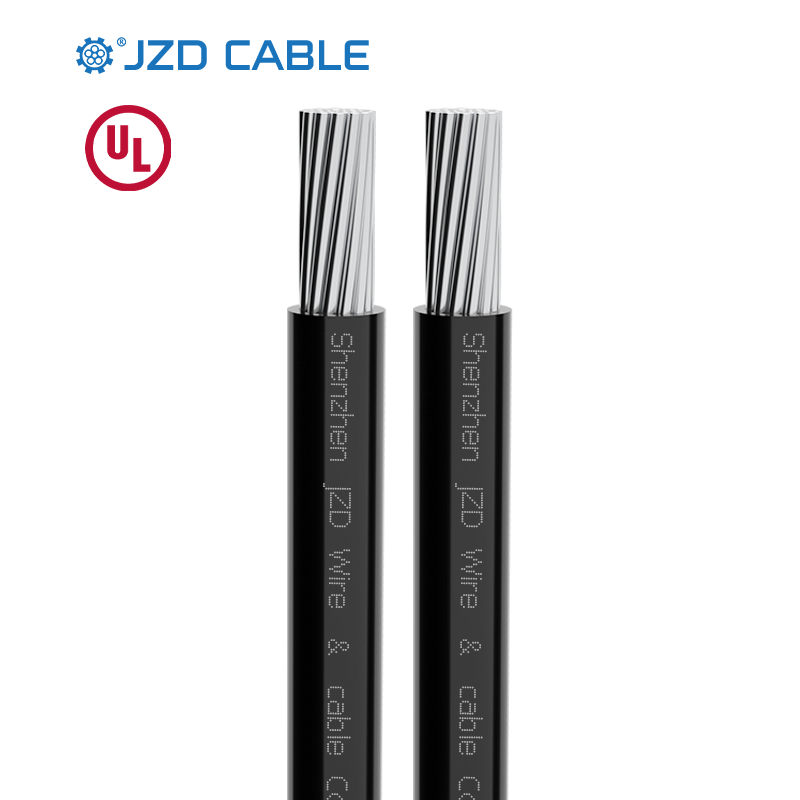
UL Certified USE-2 Direct Burial Cable is designed for these applications with:
- 600V rating
- XLPE insulation
- Sunlight-resistant construction
- Direct burial capability
These characteristics make USE-2 suitable for:
- Solar PV wiring
- Underground service connections
- Outdoor electrical equipment
In a typical coastal solar project, USE-2 is used in sections where the cable is directly exposed to outdoor conditions and requires protection against sunlight and moisture.
XHHW-2 Wire for Conduit and Power Distribution Systems
After power generation equipment, electrical systems usually transition into protected distribution networks.
For example:
Solar inverter → Underground conduit → Electrical panel
At this stage, the conductor is no longer directly exposed to sunlight, but it must continue to perform reliably inside conduit systems.
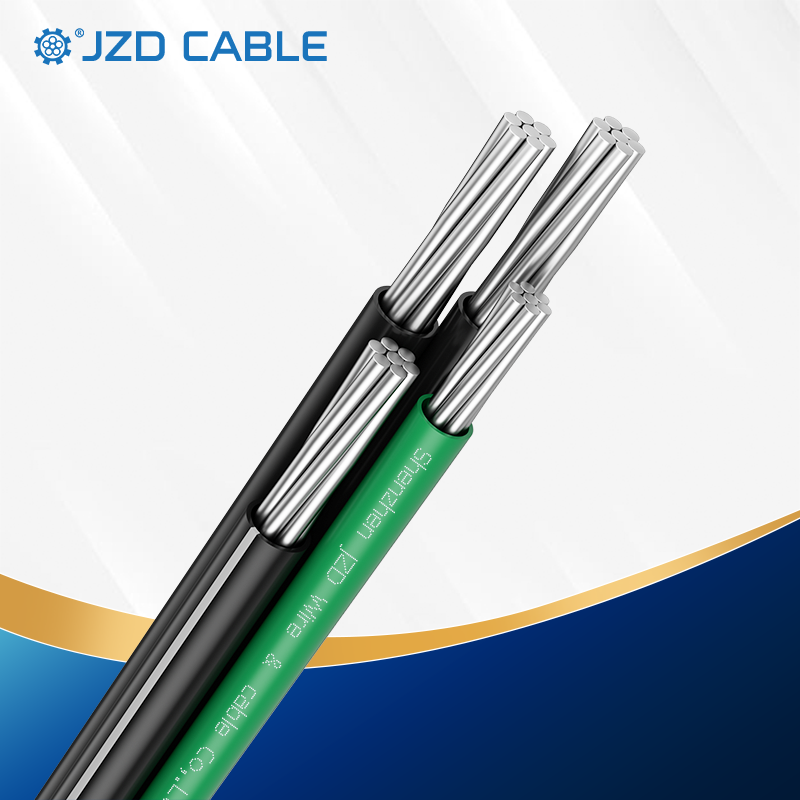
XHHW-2 wire uses XLPE insulation designed according to UL 44 requirements.
Key characteristics include:
- XLPE insulation
- 600V/1000V voltage options
- 90°C temperature rating
- Suitable for feeder and conduit applications
XHHW-2 is commonly used in:
- Commercial buildings
- Industrial facilities
- Electrical feeders
- Distribution panels
Its XLPE insulation helps maintain reliable electrical performance where conductors may experience elevated temperatures and moisture exposure inside conduit systems.
USE-2 vs XHHW-2: Choosing the Right Cable for Different Applications
Although both cables provide reliable insulation performance, they are designed for different installation environments.
| Application | Recommended Cable | Reason |
| Solar panel outdoor connections | USE-2 | Designed for outdoor exposure and sunlight resistance |
| Direct burial solar wiring | USE-2 | Suitable for underground applications |
| Underground conduit feeders | XHHW-2 | Designed for raceway and feeder installations |
| Electrical panel connections | XHHW-2 | Provides reliable power distribution performance |
The choice is not about which cable is better. It depends on:
Where the cable is installed and what environmental conditions it needs to handle.
XHHW-2 vs THHN: Understanding Building Wire Selection
THHN and XHHW-2 are both commonly used in conduit installations, but their insulation systems provide different advantages.
| Feature | XHHW-2 | THHN/THWN-2 |
| Insulation | XLPE | PVC/Nylon |
| Typical Applications | Feeders, conduit systems, power distribution | General building wiring |
| Moisture Performance | Suitable for wet-location applications | Depends on THWN-2 rating |
| Heat Performance | Up to 90°C | Up to 90°C |
For projects where conduit systems may experience moisture exposure or higher operating temperatures, XHHW-2 is often selected because of its XLPE insulation characteristics.
Conclusion
In coastal and wet-location projects, cable selection should be based on installation conditions rather than a single performance feature.
Outdoor solar connections and direct burial sections require cables designed for environmental exposure, while conduit-based feeders require conductors that can maintain insulation performance under changing temperature and moisture conditions.
Contact JZD today for professional cable solutions designed for outdoor, underground, and power distribution applications.